Artificial Intelligence (AI) is embedded in everyday tools like voice assistants, smart speakers, and navigation apps. It is increasingly shaping occupational therapy (OT) practice. AI-driven solutions support care by streamlining documentation and advancing adaptive and assistive technologies that foster independence and meaningful participation. This article explores three AI-powered assistive technology tools that can help OT practitioners meet the diverse needs of their clients.
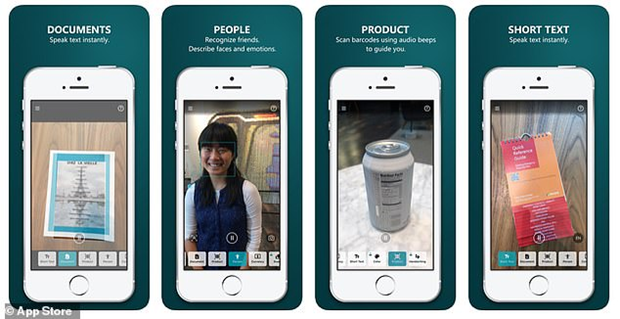
Seeing AI is a free mobile app that uses a smartphone camera to describe text, objects, and scenes aloud for people who are blind, have low vision, or have print disabilities. The app can identify and summarize what is in front of the camera in plain language, including people, objects, layout, lighting, and general activity. For example, it might say, "You're in a small office with a desk, two chairs, and a window on the left." It can also help locate objects, such as identifying that "there is a door about three feet ahead."
For people with print disabilities, such as dyslexia, Seeing AI can read printed text aloud in real time. This makes signs, menus, and labels more accessible.
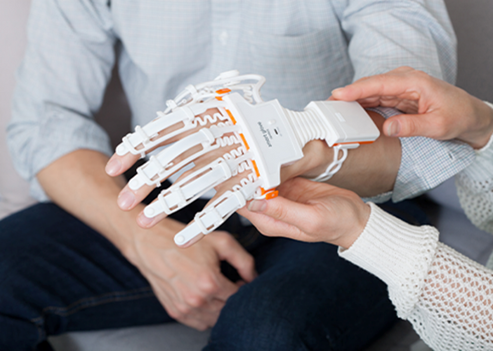
RAPAEL Smart Glove is an AI-powered rehabilitation device that supports stroke and hand injury recovery. The glove adapts therapeutic activities to the user's movement and skill level while tracking finger and wrist movements during exercises. This real-time feedback helps tailor rehabilitation activities to each client's abilities.
OneCourt is a tactile sports technology that allows people who are blind or have low vision to experience live sporting events through touch. These events include basketball, football, soccer, and baseball. The device uses vibrations to communicate spatial positioning. This enables users to feel the action at their fingertips while listening to the live game broadcast. This technology promotes inclusion and participation in leisure activities.

When used appropriately, AI can support client independence and participation. It allows occupational therapy practitioners to focus on direct client care and clinical decision-making.