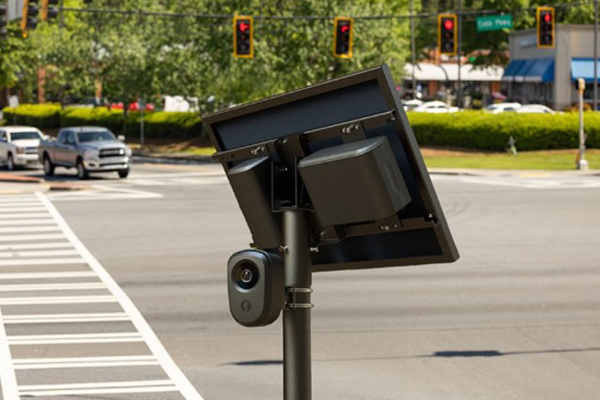
How License Plate Reader Technology Supports Public Safety
Recently, community members have expressed concerns at city council meetings and on social media about privacy and data sharing related to Automated License Plate Reader (ALPR) cameras. Some of the information shared has created confusion about how law enforcement actually uses this technology.
ALPR systems are not surveillance cameras. They are not designed to track people or monitor where someone travels. Sheriff’s Department personnel search the system only for a specific license plate or vehicle when there is reasonable suspicion it may be connected to a criminal investigation.
These systems capture images of vehicles and license plates that are already visible on public roadways.
License plate reader technology is not new. The Sheriff’s Department has used this investigative tool for more than 15 years to help identify vehicles associated with suspects, victims, or witnesses in cases such as robberies, assaults, stolen vehicles, and other serious crimes.
Suspects often travel to and from crime scenes in vehicles using public roadways. ALPR cameras read license plates that are already visible in public view, typically at major intersections. This allows investigators to identify vehicles entering or leaving an area where a crime occurred and develop investigative leads that might otherwise be missed.
This technology also allows investigators to connect information across jurisdictions. In many cases, a single license plate can help identify suspect vehicles, locate stolen vehicles, or link crimes that occurred in different cities.
The Sheriff’s Department follows strict department policy and California law governing the use of this technology. All searches must have a documented investigative purpose and be assigned a case number. System activity is logged, monitored, and routinely audited to ensure accountability. Access is limited to authorized users and is password protected.
California law, including the California Values Act (SB 54), limits the sharing of certain information with federal immigration authorities. The Sheriff’s Department complies with these laws and does not share ALPR data without a lawful purpose.
As technology evolves, the Sheriff’s Department carefully evaluates and implements new tools with strong policies and training in place. Protecting victims and solving crimes remain our core mission. Technologies such as ALPR help identify vehicles associated with criminal activity and link cases across jurisdictions. Investing in tools like ALPR is an investment in public safety.