 DEQ NEWS
March 19, 2026 Vol. 5, No. 2
DEQ Receives Grant to Accelerate Bay Clean Up
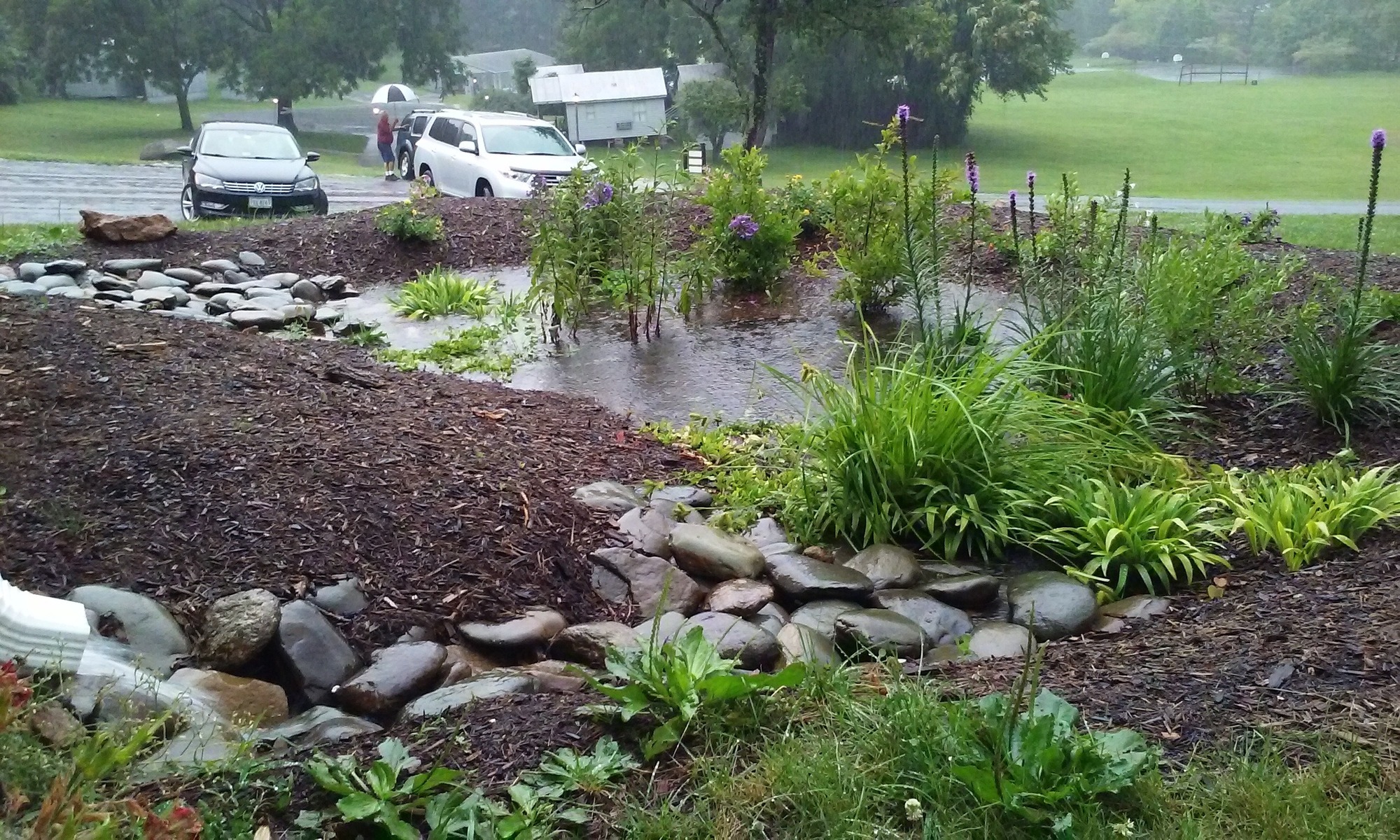
This project will accelerate the implementation of strategies and practices such as tree planting, wetlands restoration, and shoreline stabilization to meet local area planning goals based on local conditions, knowledge, and needs, improving water quality throughout Virginia’s Chesapeake Bay watershed. Through a competitive process, DEQ will award funds to Virginia’s Planning District Commissions and Watershed Roundtable groups within the Chesapeake Bay watershed. This investment will provide direct funding for the implementation of BMPs and will allow DEQ to meet the funding needed to continue progress cleaning up the Chesapeake Bay.
New Resources to Help Protect Water Supplies
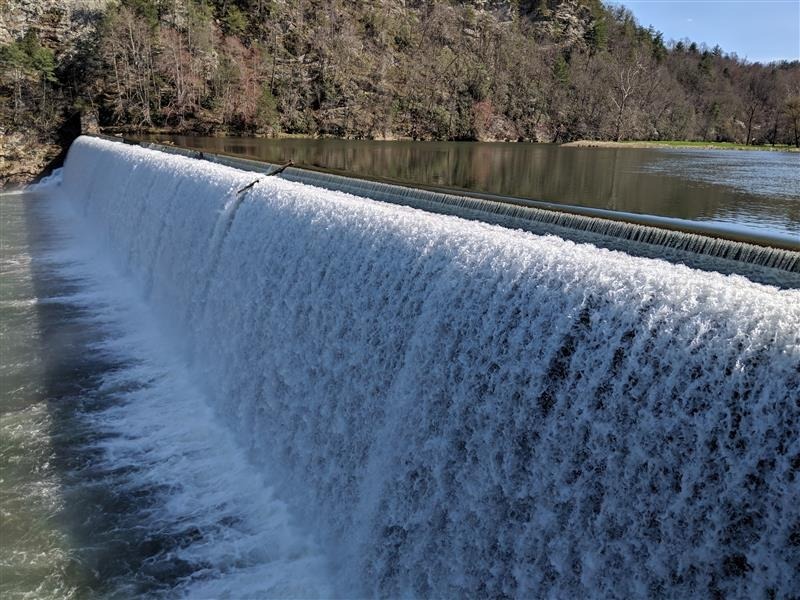
As part of DEQ’s efforts to help with regional water supply planning, we are working with 25 Regional Planning Units comprised of local governments to develop more holistic regional plans. We have added additional resources to our Water Supply Planning Resources webpage, including historical water withdrawal data dating back to 1982. This data is also shown in a new easy-to-use Water Withdrawal Dashboard, which provides a faster, more comprehensive, and interactive experience for viewing water withdrawal data from across the Commonwealth.
Food Waste Research Opportunity for Localities
 In collaboration with researchers from Ohio State University, DEQ is working to better understand trends in household food waste behaviors in Virginia. This research will provide actionable insights on food waste behaviors and advance our understanding of food-waste measurement methodologies. DEQ is looking to partner with localities that are interested in learning more about food waste trends in their communities.
 If your locality is interested in participating in this project, please reach out to Sydney Thayer at sydney.e.thayer@deq.virginia.gov.
DEQ Launches Wetland and Stream Restoration Fund
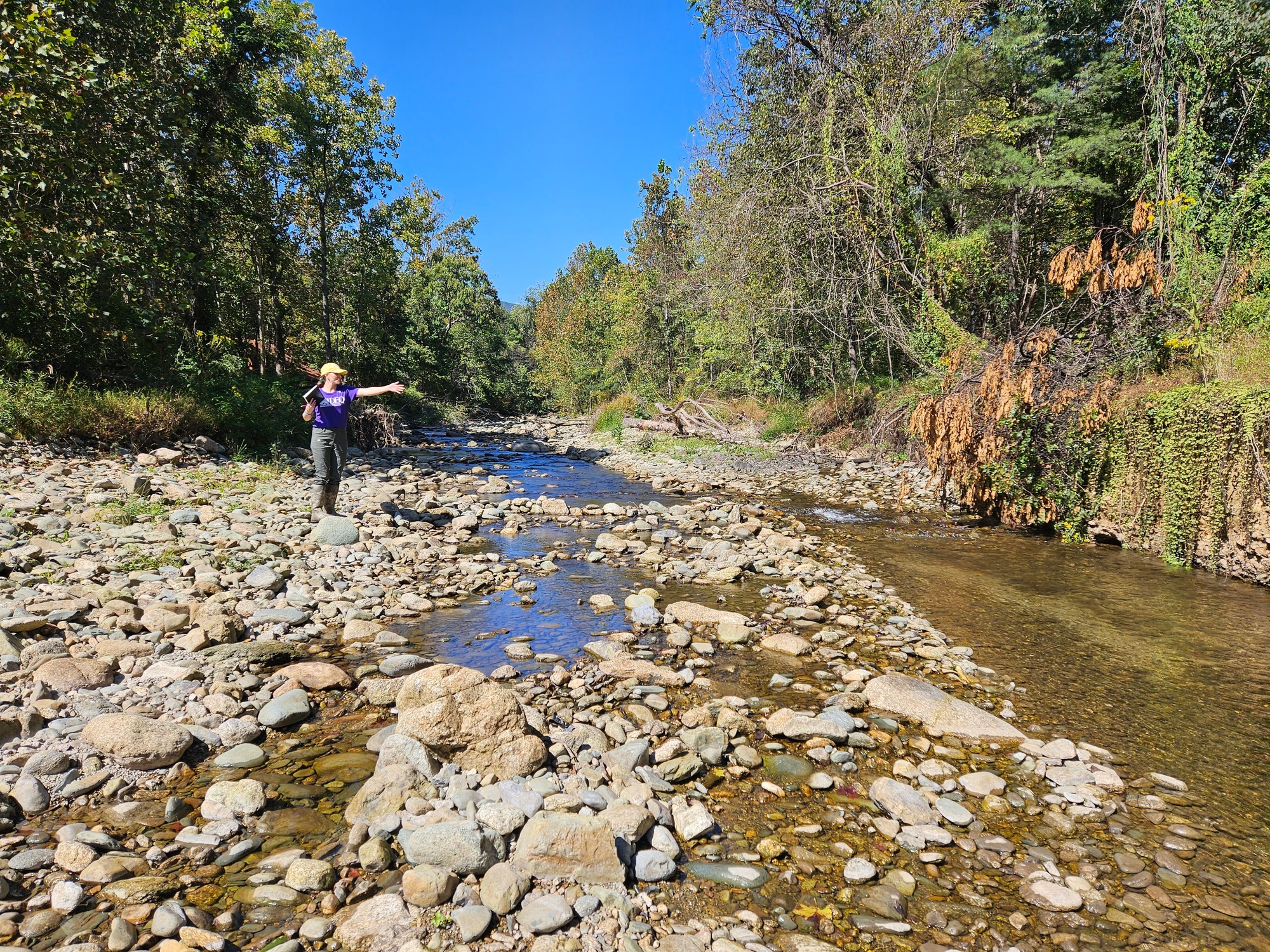 DEQ recently received approval from the U.S. Army Corps of Engineers for the Wetland and Stream Replacement Fund (WSRF) in-lieu fee mitigation program, which helps Virginia to achieve its policy of no net loss of wetlands in the state. DEQ will operate the WSRF as an additional source of compensatory mitigation credits to assist permit applicants with their projects’ unavoidable losses to wetlands and streams. After avoiding and minimizing wetland and stream impacts, applicants may be required to provide compensation for remaining unavoidable impacts. If there are no mitigation bank or other in-lieu fee mitigation credits available (in-lieu fee mitigation credits are also offered by The Nature Conservancy) to serve their project, applicants may elect to propose Permittee Responsible Mitigation or request WSRF credits.
 WSRF credit prices are currently set at two times existing in-lieu fee rates for stream credits, and three times existing rates for wetland credits. DEQ plans to meet or exceed no net loss requirements by purchasing more credits or implementing more ecological restoration if it takes longer for WSRF to satisfy the mitigation requirement of a permit. The pricing structure takes potential delays into account, but does not assume they will occur.
Upon the sale of any mitigation credit, WSRF is obligated to implement mitigation sites within a watershed through the restoration, enhancement, and preservation of wetlands, streams, and their buffers. WSRF plans to meet its mitigation obligations by purchasing released mitigation bank credits or other in-lieu fee credits, as they become available, or contracting for restoration sites from established mitigation bankers and providers.
Please visit DEQ’s Wetland and Stream Replacement Fund webpage for more information.
Register to Attend the Virginia Brownfield Conference
Save the date for this year's Virginia Brownfields Conference, hosted by DEQ and the City of Staunton from June 8–10. Spend a few days in this charming, historic city while diving into a variety of brownfields topics, such as funding resources and innovative solutions to dilapidated properties. Register here.

New Stormwater Program Fee & Guidances
The new Stormwater Common Plan of Development of Sale guidance tackles one of the most frequently asked regulatory questions. This guidance outlines the legal authority, application, and interpretation of common plans of development when DEQ serves as the VSMP or VESMP authority, helping reviewers and permittees confidently determine when Construction General Permit coverage is required versus when an agreement in lieu of a plan may be appropriate. With real-world scenarios that clearly illustrate applicability, this guidance equips users with the tools they need to make consistent, informed decisions.The new Stormwater Sequencing for Perimeter Erosion and Sediment Controls guidance delivers clarity and direction for ESC plan review when DEQ serves as the VESMP authority. This guidance sharpens the focus on construction sequencing by clearly defining initial, interim, and final phase breakouts needed to meet minimum standards. It reinforces the expectation that perimeter ESC BMPs are installed at the outset of land-disturbing activities and outlines the specific plan details recommended for each phase. The result is a more consistent review process, stronger compliance from the start, and better protection of downstream resources throughout construction.
New Stormwater CGP and MS4 Fee Schedules take effect July 1, 2026. This regulatory update amends the Virginia Erosion and Stormwater Management Regulation to revise the statewide permit fee schedule for the Construction General Permit (CGP) and Municipal Separate Storm Sewer System (MS4) permits, as directed by Chapter 2 (Budget Bill, Item 363 J) of the 2024 Special Session I Acts of Assembly. This aligns program funding with current statutory requirements.
Join Environmental Leaders at Lynchburg VEEP Workshop
Join us for a FREE workshop about improving your facility’s environmental performance and moving toward sustainability. Mark your calendars for Thursday, May 14 from 9:00 am - 4:00 pm, and join DEQ's Office of Pollution Prevention and businesses from around the region at Central Virginia Community College in Lynchburg for a day of learning and networking. You'll hear about creating programs that encourage employee buy-in, developing an Environmental Management System (EMS), greening your fleet vehicles, energy efficiency, waste reduction, and how to find pollution prevention opportunities. The purpose of this workshop is to bring together facilities that want to reduce their environmental footprint. Register here.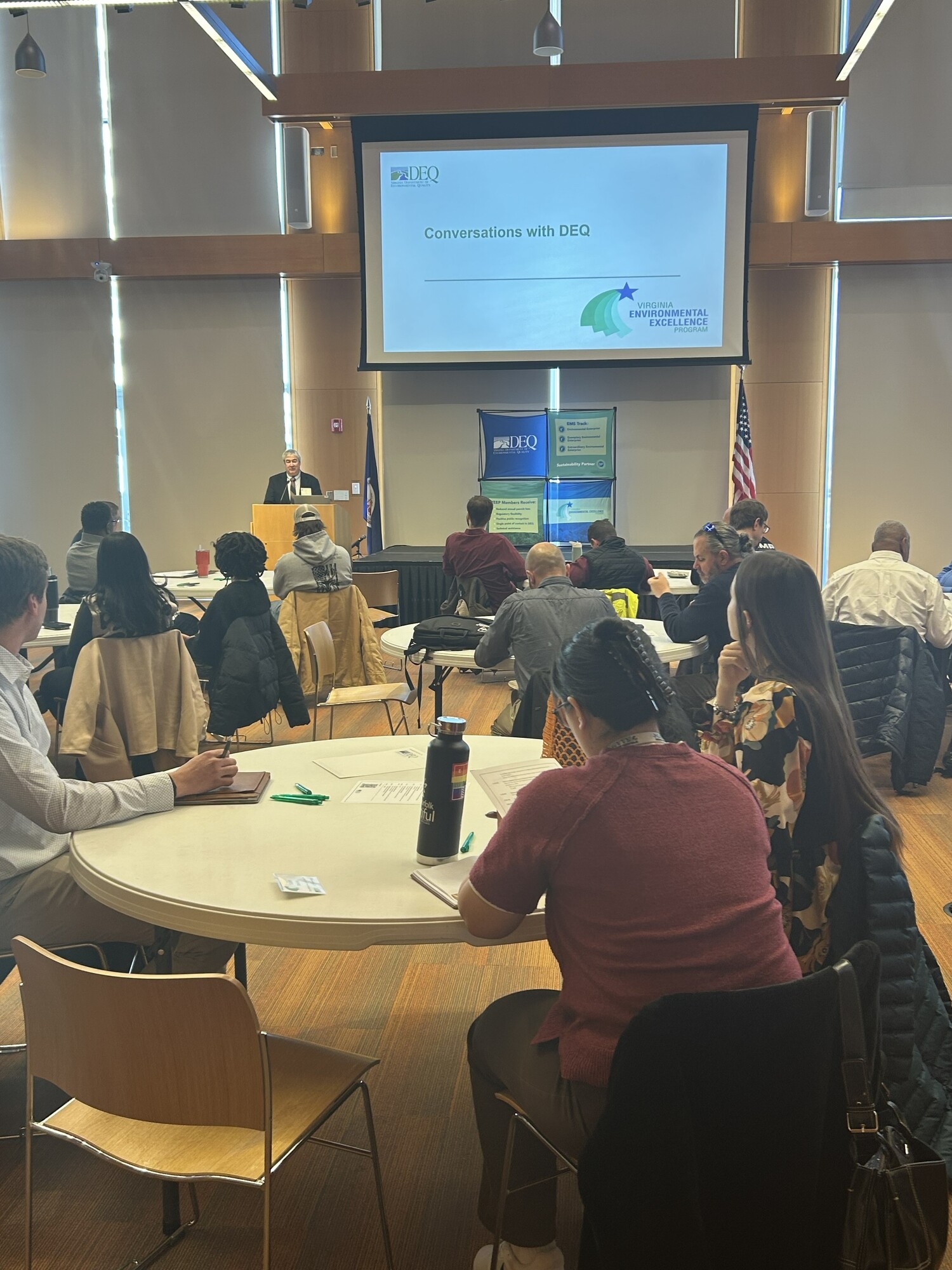
New Brownfields Development Tool
DEQ's new Brownfields Development Resource Tool is a mapping application designed to support the identification, evaluation, and redevelopment of brownfields and other potentially developable sites across Virginia. The application integrates more than 20 geospatial data layers from state and federal sources to help users understand site conditions, regulatory considerations, infrastructure access, and redevelopment constraints. The application supports informed decision-making and promotes engagement with agencies such as DEQ and the Virginia Economic Development Partnership (VEDP) regarding redevelopment opportunities, funding programs, and incentives. The web application includes datasets related to site identification and environmental regulation—such as VEDP’s developable sites, Superfund sites, RCRA sites, abandoned mine lands, Voluntary Remediation Program sites, landfills, and solid waste permits—as well as infrastructure and renewable energy datasets, including electric transmission lines, substations, and renewable energy project locations. Additional layers provide information on environmental constraints and site characteristics, including flood hazard zones, protected lands, wetlands, slope, aspect, and wind speed.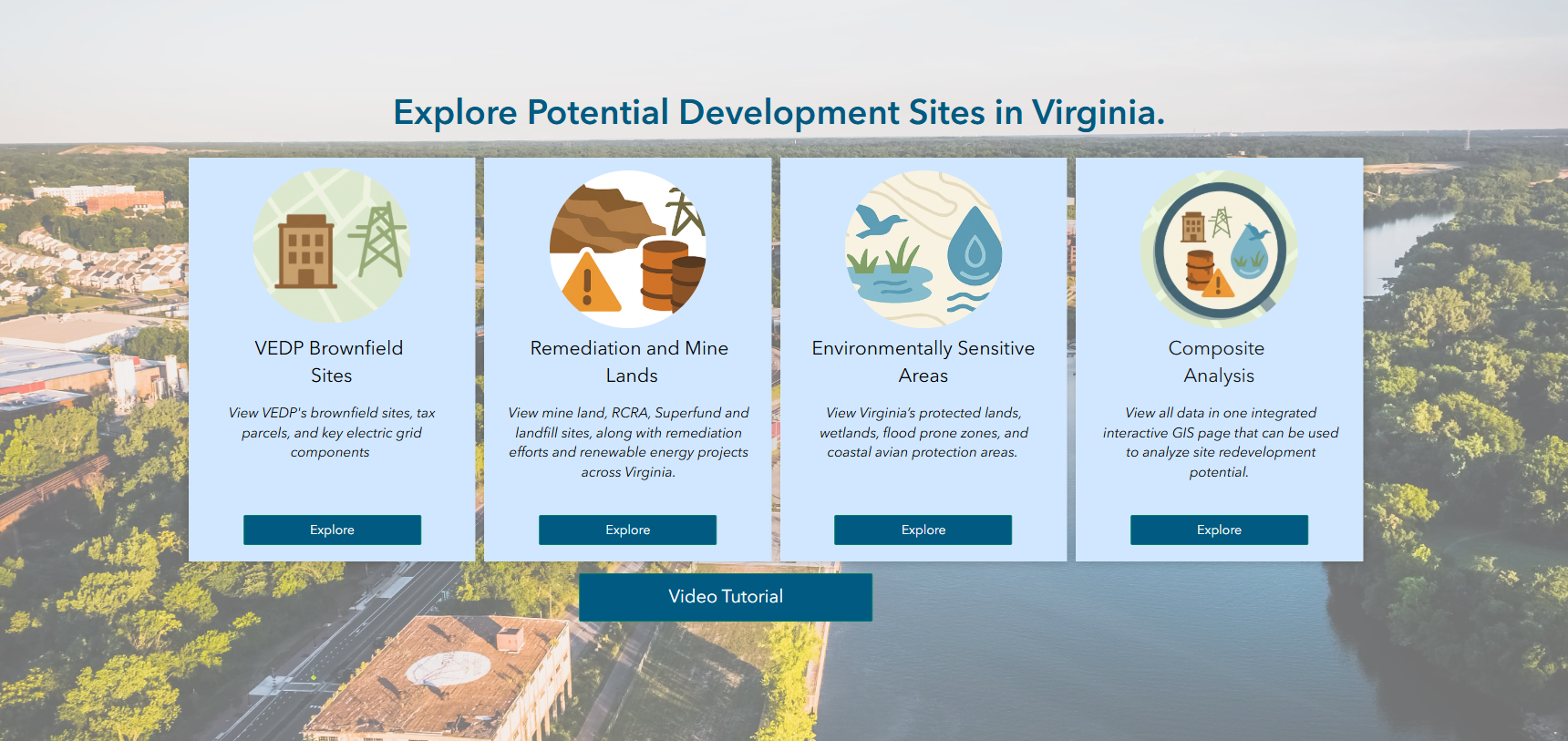
Resources for Recent Catastrophic Losses at Farms
Recent winter storms have deeply impacted the operations of farmers across Virginia. Heavy snow and ice caused many farm buildings to collapse and with it came the loss of flocks and livestock. As farmers start rebuilding after these storms, DEQ has released two fact sheets to help in their efforts, one specifically for poultry producers and one for livestock producers. These fact sheets include information regarding mortality disposal, construction and demolition debris disposal, animal waste program permit requirements, construction general permit and stormwater requirements, and erosion and sediment control requirements.