
Britain’s rarest tree species given a helping hand in Somerset
 At the edge of Bridgwater lies a haven for wildlife nestled between modern housing estates. Wilstock and Stockmoor Country Park, a floodplain grazing marsh just off the M5 Junction 24 roundabout, supports a rich variety of species, including:
- bullfinches
- great white egrets
- the rare, bearded reedling
- badgers
- foxes
- pygmy shrews
- water voles
- numerous butterflies and dragonflies
Our Green Estates team took on the active management of the site in September 2024, and since then our rangers and volunteers have worked hard to enhance the park for both wildlife and visitors.
Increasing tree diversity
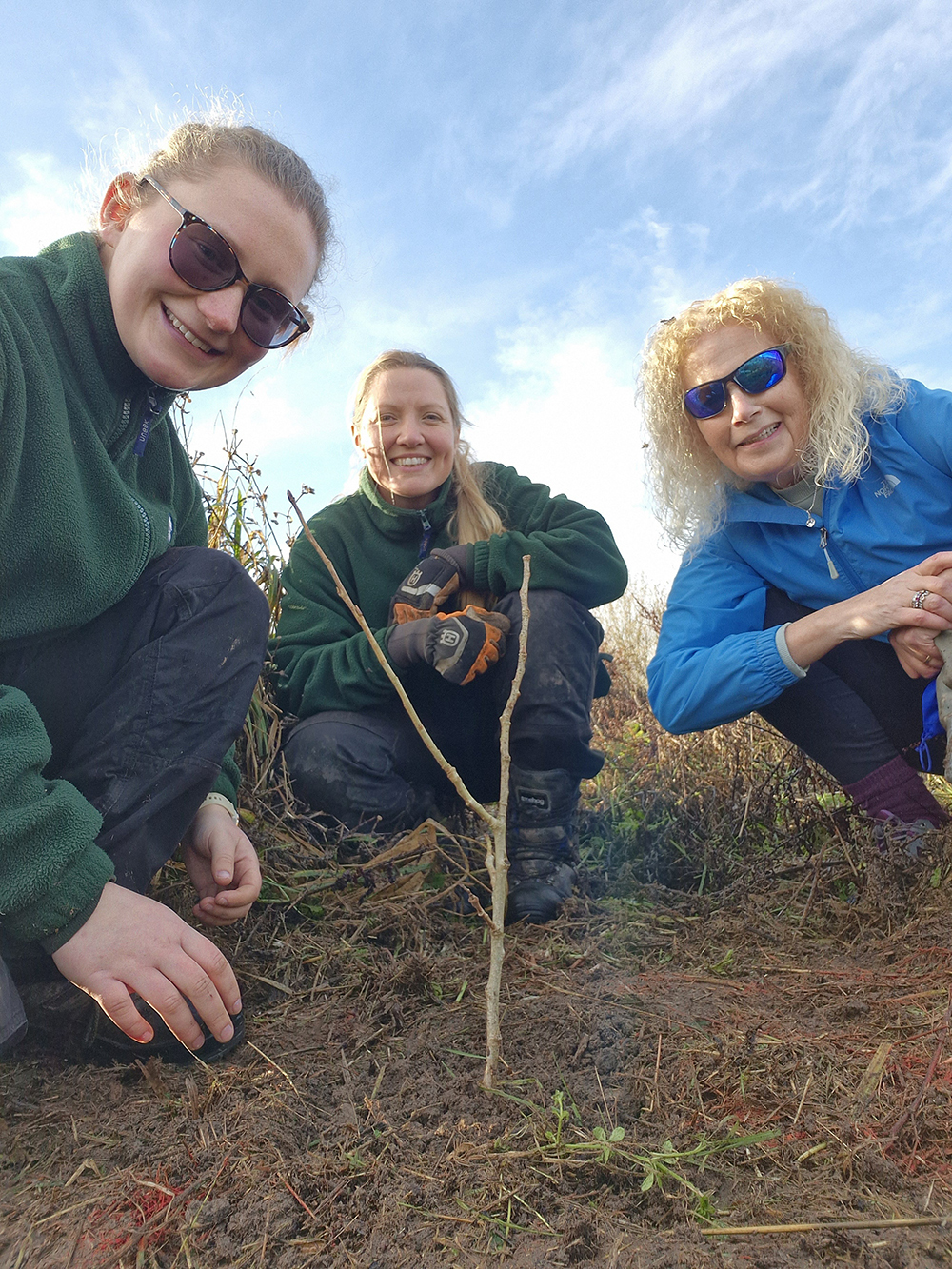
The site is currently dominated by willow, so the team has been focusing on increasing tree diversity. Working in partnership with Somerset Wildlife Trust, we planted 4 male cuttings of the black poplar in early December.
Why black poplar matters
Black poplar (Populus nigra) is the UK’s rarest and most endangered native tree. It can reach 30 metres and thrives in wet habitats such as riverbanks, floodplains and wetlands. Today, it survives only in small, fragmented populations due to:
- woodland clearance for forestry
- loss of wetland habitats through drainage and river engineering
- replacement with commercially viable hybrid species such as Populus × canadensis
- the scarcity of female trees, which are needed for seed production
There are now only around 7,000 wild black poplars left in Britain – and only about 600 of them are female. The species is dioecious, meaning male and female trees grow separately. Females produce fluffy wind‑borne seeds that allow the species to spread.
A species full of life and history
Black poplars support a wide range of wildlife:
- caterpillars of moths such as the hornet moth, wood leopard, poplar hawk and figure‑of‑eight
- early‑season pollen and nectar for bees
- seeds eaten by birds
They were also once valued for their timber. The wood is soft, fine‑textured and naturally springy, making it suitable for:
- cartwheels and wagon bottoms
- shock‑resistant floorboards
- thatching spars, bean sticks and clothes pegs
- woven baskets
Today, hybrid black poplar timber is commonly used for artificial limbs, wine cases, pallets, shelving, bowls and toys.
Looking ahead
The newly planted cuttings will be monitored over the next year to ensure they establish successfully. If they thrive, we hope to introduce a female black poplar to the site and help secure the future of this iconic British tree.