 DEQ NEWS
Feb. 5, 2026 Vol. 5, No. 1
Column: Rethinking Sediment Control Strategies by Luke Owen
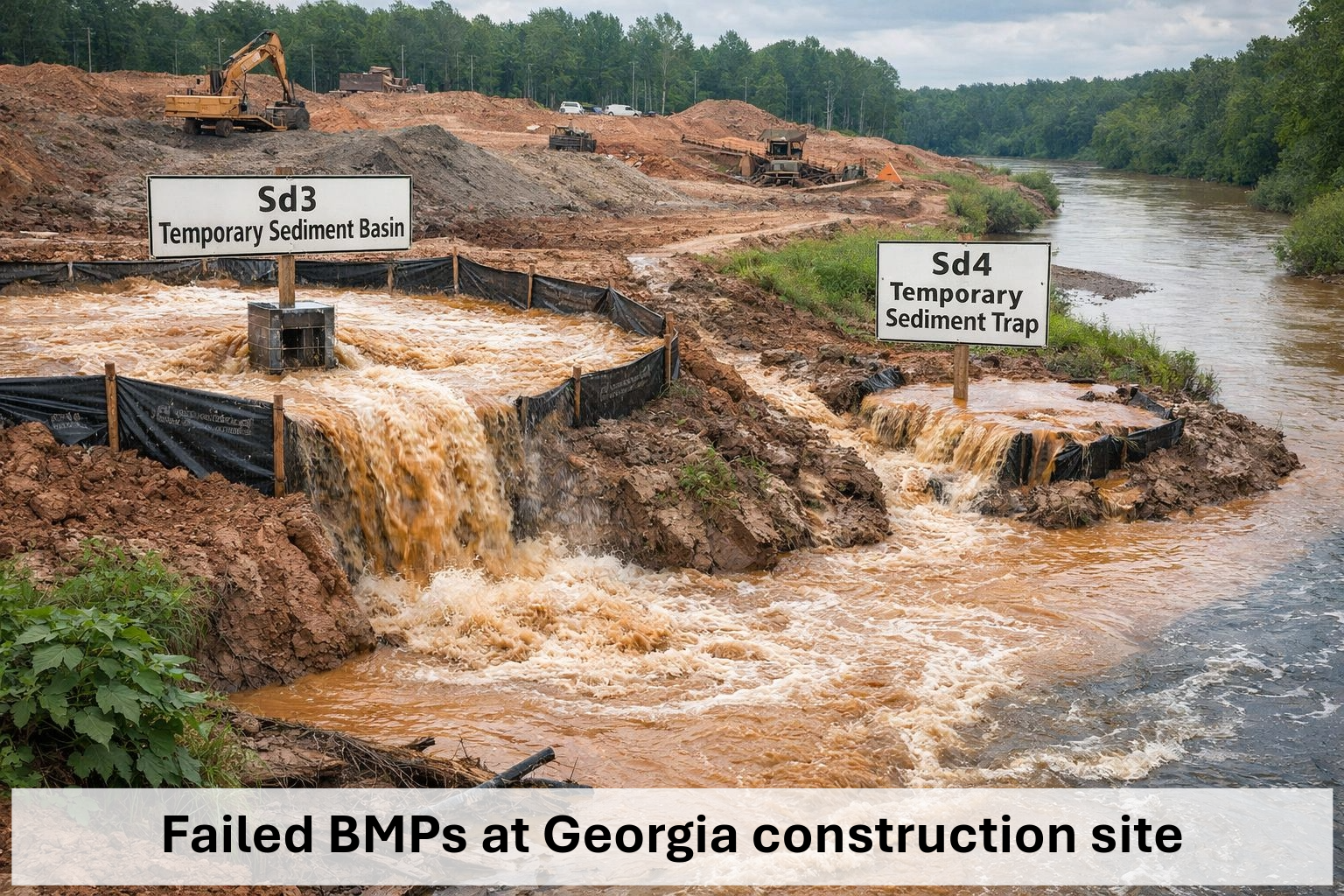
In Georgia, what is referred to as Temporary Sediment Traps (Sd4) and Temporary Sediment Basins (Sd3) are often treated as the primary solution for sediment control on construction sites. I found that mindset is applicable to many states across the country; but is where many projects get into trouble. In fact, neither practice, by itself, should be solely relied on to prevent offsite discharges.
Sediment traps and basins are treatment practices. They are designed to capture sediment after erosion has already occurred and after runoff has concentrated. Traps offer limited storage and detention and are easily overwhelmed by increased rainfall volume, intensity, or expanding drainage areas. Basins provide more capacity and longer detention time, but they also have finite limits. When stormwater volume and velocity exceed what they were designed to handle, even a well-built basin will pass sediment downstream.
The real weakness is not in the BMP itself but in how it is relied upon. Too often, traps and basins are expected to compensate for uncontrolled erosion upstream. Once sediment-laden runoff reaches either practice at high velocity, performance drops quickly and perimeter controls become the next line of failure.
Effective sediment control starts before runoff ever reaches a trap, basin, or perimeter BMP. Stormwater volume, velocity, and sediment load must be reduced at or near the point where rain hits disturbed soil. That means stabilizing soils early, breaking up flow paths, slowing runoff with surface roughening, rock filter dams, check dams, and diversion practices, and minimizing the amount of detached sediment.
Sediment traps and basins still matter. They are important backup and polishing measures. But they should never be relied upon as the solution by themselves. Permit compliance and real water quality protection come from treating stormwater upstream first and using traps and basins as part of a layered system, not as the last hope before the property line.
Meet Our Guest Columnist: Luke Owen
Luke Owen is a United States Marine Corps veteran, outdoorsman, and founder of the NPDES Stormwater Training Institute. With over 40 years of experience in environmental and water quality consulting, Luke has dedicated his career to improving America’s surface water through education and training. He holds a B.S. in Geology from Colorado Mesa University and is a Registered Professional Geologist in California and Georgia. Luke has served on national and state environmental committees and works closely with agencies, municipalities, and industry leaders to make NPDES permit compliance practical and effective. His mission: “Keeping Water In Your Life and Life In Your Water!”
Southeastern Public Service Authority Uses AI Technology to Divert Waste from Its Landfill
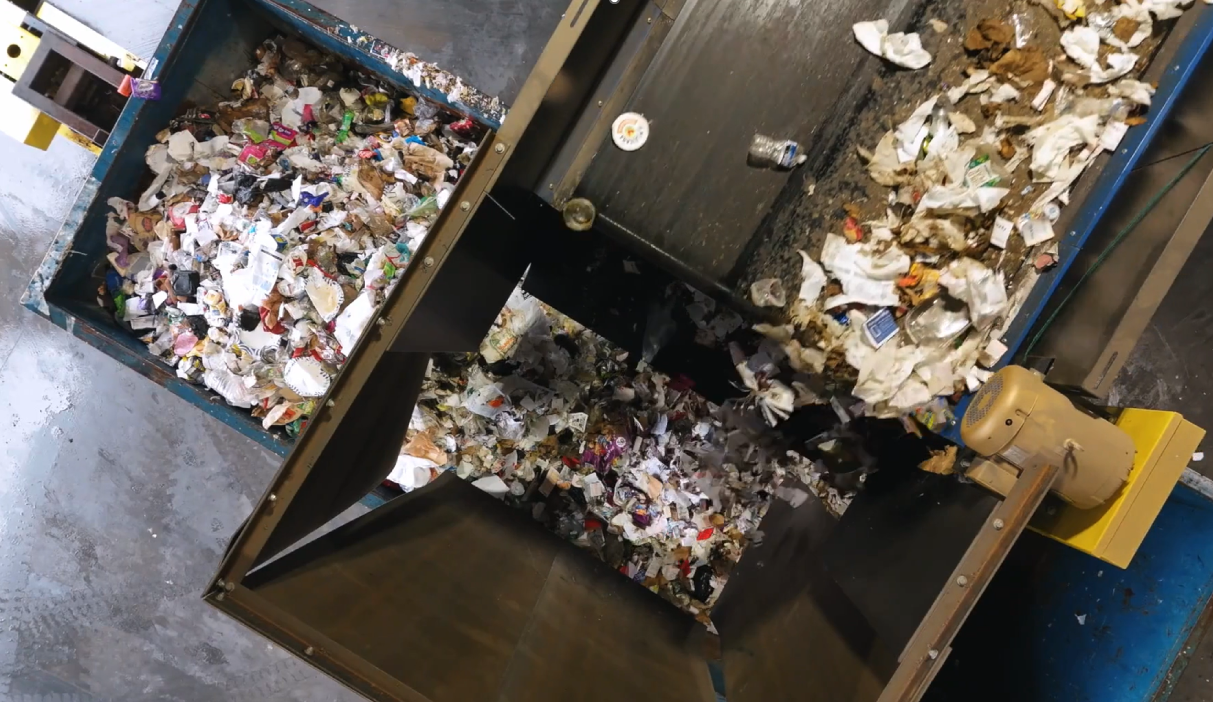
Southeastern Public Service Authority’s (SPSA) Alternative Waste Disposal project is designed to divert 50% of material collected for disposal from its landfill in Suffolk using AMP Robotics AI Sortation technology. SPSA handles waste disposal for 1.2 million residents with nine transfer stations across eight municipalities and its regional landfill. Without a change to current waste volumes or disposal practices, the landfill is expected to reach permitted capacity in 2060.
As a member of DEQ’s Virginia Environmental Excellence Program, SPSA worked with DEQ to find options to reduce the material being landfilled. In 2023, SPSA evaluated the makeup of the materials it collected from residents, and found that about 70 percent of the material could be recycled. SPSA partnered with Commonwealth Sortation, a subsidy of AMP Robotics Corporation, to implement its innovative Alternative Waste Disposal project. This project will reduce the amount of waste disposed in SPSA's landfill by 50%, extending the life of the landfill through 2095. AMP has guaranteed that 20% of the diverted material will be recycled and 30% will be turned into biochar.
To do this, AMP uses cameras, robotics, and AI technology to separate material. AMP’s AI technology is constantly learning and updating using millions of real-world images from its cameras across the globe, not just those at SPSA’s facilities. This allows the system to learn quickly by taking visual cues like colors, textures, shapes, brands, and logos to identify material properties. Recyclables and organic material are separated from the material destined for the landfill. The organic material is indirectly heated to produce biochar.
The project represents a $200 million private investment in the region. Without the Alternative Waste Disposal project, tipping fees would have increased as SPSA sought alternative landfill space. Although SPSA still anticipates an increase in tipping fees, it will be less than the region could have expected without this project. The Alternative Waste Disposal project’s cost will be paid by the sale of recyclables, the sale of biochar, and the sale of carbon credits from the biochar, in addition to the increased tipping fees. The project is scheduled to start this month, with a limited capacity. By the end of 2029, the project will be fully operational, sorting over 500,000 tons a year.
Milestone Expansion of Virginia’s Groundwater Monitoring Network
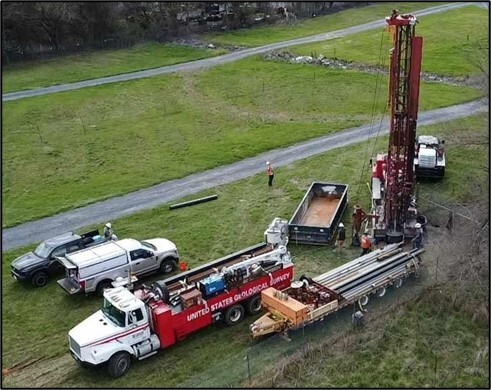
In December 2025, DEQ and the U.S. Geological Survey (USGS) completed the last of 20 new groundwater observation well installations across central and western Virginia. This effort doubled the monitoring network in the fractured-bedrock regions west of Interstate 95. It also concluded the second of three phases in a multi-year, General Assembly-funded expansion of Virginia’s aquifer monitoring networks. The new wells will enhance drought monitoring and are designed to become part of the national Climate Response Network that collects long-term data on the relationship between groundwater and precipitation.
This success resulted from close collaboration among DEQ’s Groundwater Characterization and Monitoring Program, USGS’ Virginia and West Virginia Water Science Center, and USGS’ national Research Drilling Program. Geologists from DEQ’s Groundwater Characterization and Monitoring Program crafted an initial strategy for site selection and design, used geographic information systems (GIS) to search for suitable sites, developed the necessary contacts and relationships with landowners, and performed boots-on-the-ground site surveys to support easements and other durable agreements. Ultimately, a variety of state, county, city, and private entities agreed to host the new wells.
After securing long-term access, DEQ and USGS staff prepared sites by removing brush, tree limbs, and other obstacles and by installing sediment control measures. DEQ staff worked alongside USGS’ Research Drilling Program throughout the entire drilling process to collect geologic data, manage drilling fluids and rock cuttings, and design each well to suit each site.
To date, DEQ geologists have equipped about a third of the new wells with continuous water level monitoring instrumentation and real-time telemetry equipment. Under a longstanding cooperative relationship between DEQ and USGS, these groundwater research stations provide high-quality data to USGS’ public facing databases and mapping tools. Beginning in 2026, the final phase of the network expansion project will install new wells in the Coastal Plain aquifer system of Tidewater Virginia.
Office of Permitting Assistance—2025 Year in Review
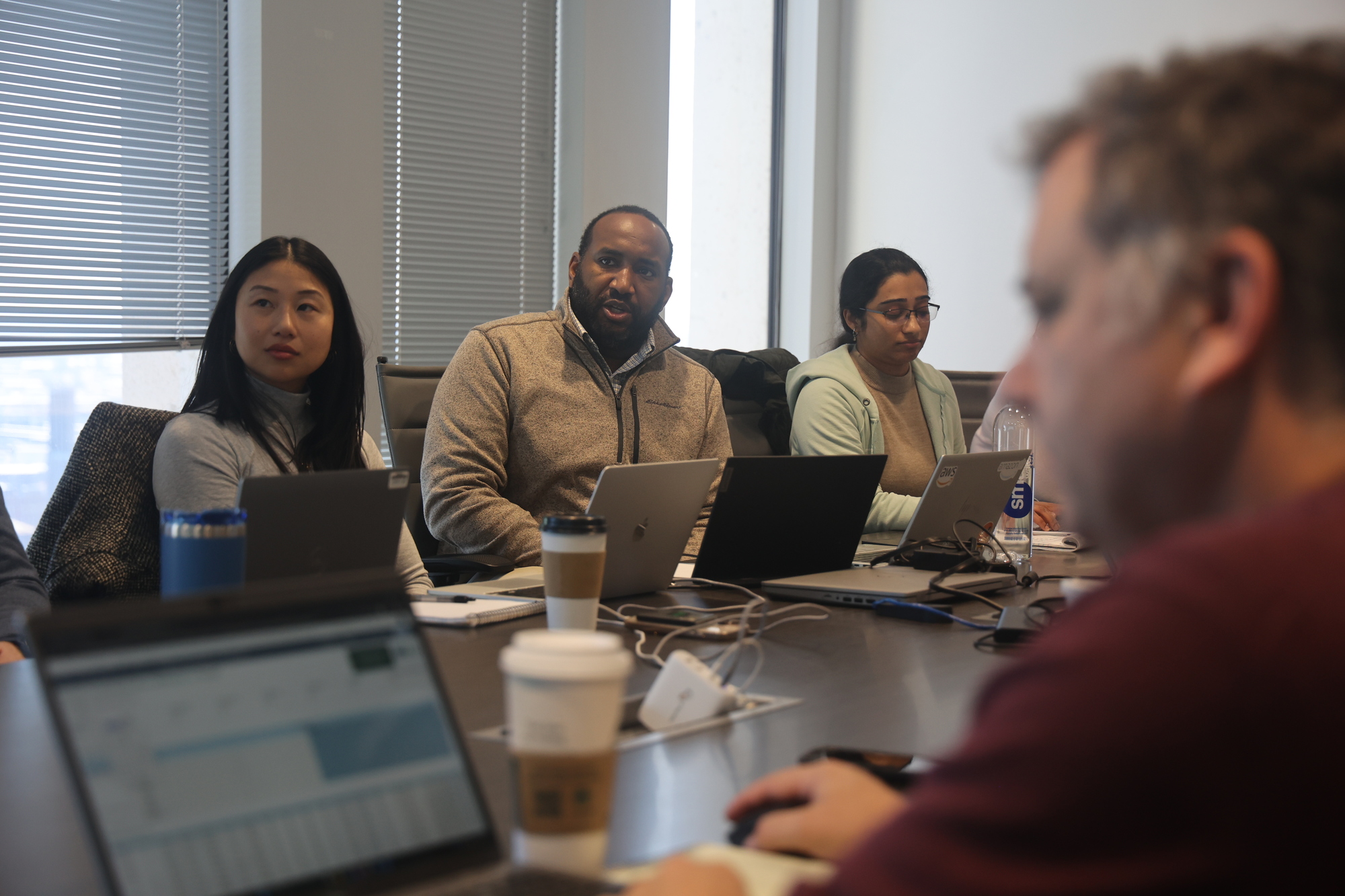
As one of DEQ’s newest offices, 2025 was the first full year of the Office of Permitting Assistance (OPA). Over the course of the year, OPA held over 250 project meetings to track the status of over 100 high-priority economic development permits. OPA rigorously vets these projects to ensure companies and existing permits are in good standing. OPA also led the effort to develop procedures for Virginia Economic Development Partnership’s expedited permitting program pursuant to legislation passed in 2024. 2026 is already slated to be a busy year for OPA with the late 2025 addition of the Mitigation and Nutrient Banking Team. Need help with complex permits? Contact OPA here.
Webinar: Evaluating Brownfields Success through Return on Investment
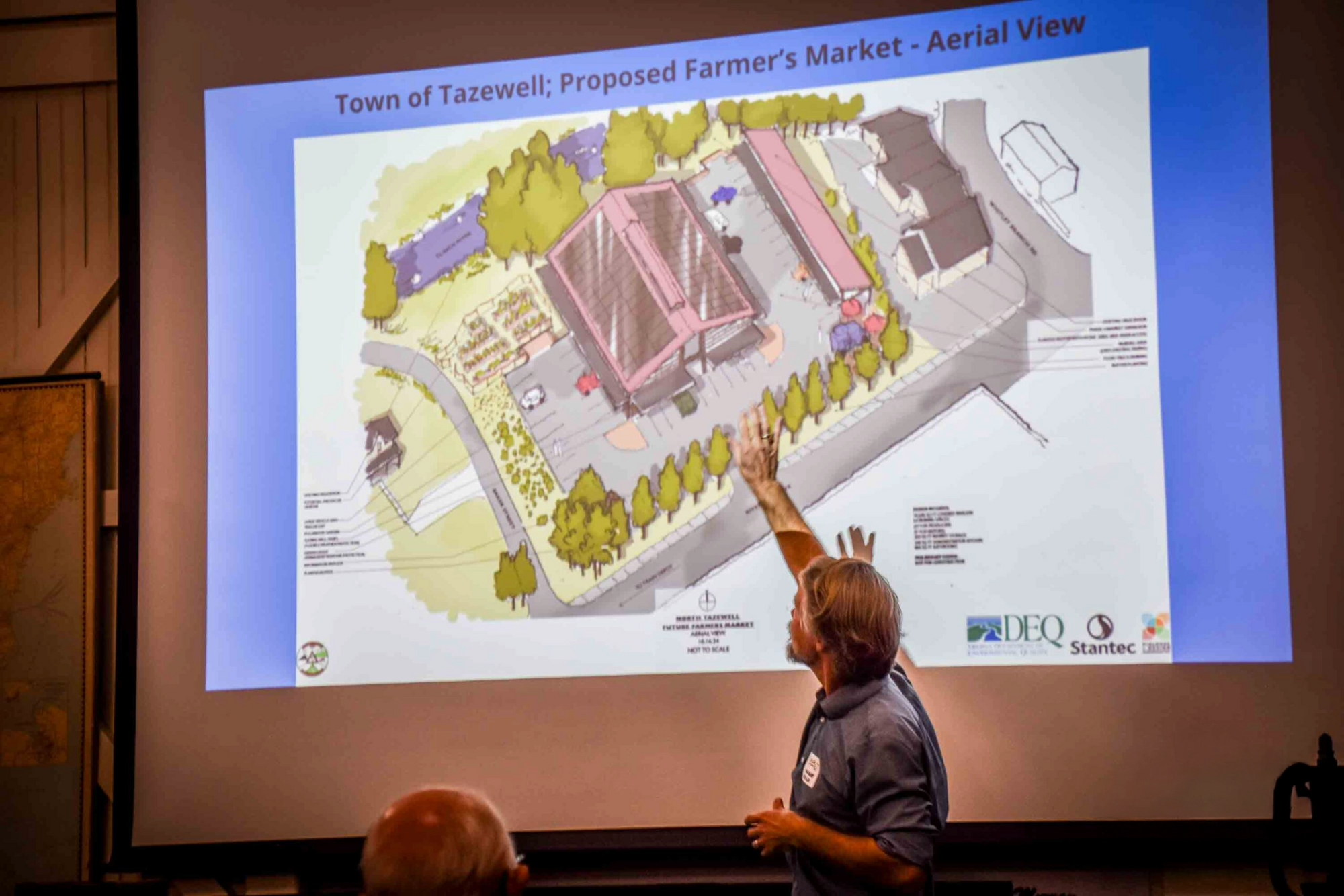
When an industrial or commercial site is more difficult to redevelop due to its previous history of hazardous substances, pollution, or contaminants, it is referred to as a brownfield. The Association of State and Territorial Solid Waste Management Officials is hosting a webinar on Feb. 10 from 12-1 p.m. to highlight ways that programs try to measure the economic impact of Brownfield grant investments in redevelopment projects.
DEQ’s Karen Weber, P.G., will highlight The Virginia Brownfields Restoration and Economic Redevelopment Assistance Fund (VBAF) and Sarah Barlett of the Vermont Department of Environmental Conservation will highlight Vermont’s Brownfields Revitalization Fund.
Although program structures differ, both are assessed using comparable economic performance indicators, including job creation, property value appreciation, tax revenue generation, acreage remediated or redeveloped, and leveraged investment. This webinar will highlight the two programs, present findings from a recently published Economic Impact Analysis of the first 10 years of VBAF funding, discuss quantitative outcomes and methodological approaches to measuring the effectiveness of Brownfield grant investments, and highlight challenges and limitations associated with quantifying return on investment.
New Annual Water Quality Monitoring Plan Dashboard
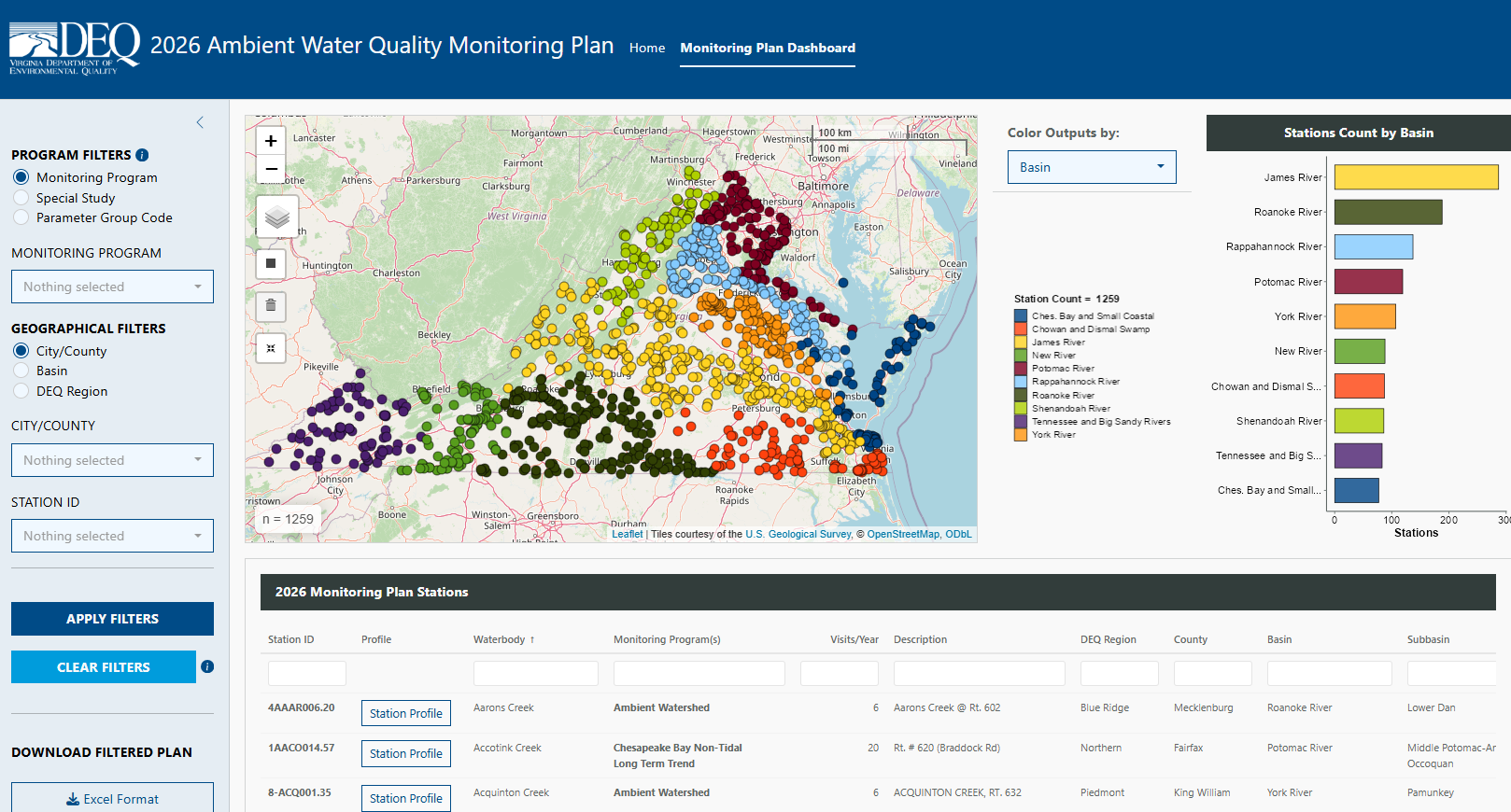
Check out DEQ’s new dynamic, user-friendly dashboard for the Annual Water Quality Monitoring Plan. This new platform represents a significant advancement in how DEQ communicates and manages our monitoring efforts. This new tool allows users to explore monitoring data across the Commonwealth, with filtering options by program, region, river basin, and other parameters. Beyond improving public transparency, this interface strengthens internal quality assurance by enabling staff to more efficiently identify and resolve data integrity issues, track progress toward completing planned monitoring activities on schedule, and ensure alignment with overall budget expectations. These improvements directly support DEQ’s strategic goal of advancing data-driven planning and decision making.
DEQ is accepting nominations for Virginia waterbodies for monitoring in the 2027 monitoring plan. Nominations will be accepted through April 30, 2026 via the DEQ Volunteer Monitoring webpage.
New Nationwide Permits Effective March 15, 2026
On June 18, 2025, the U.S. Army Corps of Engineers (Corps) proposed reissuing 56 existing nationwide permits (NWPs) and issuing one new NWP. The final 57 NWPs, the general conditions, and the associated definitions were published on Jan. 8, 2026, and will become effective March 15, 2026. The reissued NWPs will expire on March 15, 2031.
DEQ provided its final Section 401 Water Quality Certification decisions for the 2026 Nationwide Permits on Nov. 6, 2025, after having public noticed its tentative decisions for 30-days on the Virginia Town Hall and DEQ websites.
Many activities authorized under the final NWPs will not require action by DEQ’s Virginia Water Protection permit program. For more information, see “Related Permits” on DEQ’s website.
Join DEQ at the Virginia Green Travel Conference and Awards Ceremony
Explore sustainable tourism practices, connect with industry leaders, and discover innovative approaches to eco-friendly travel throughout Virginia. The conference will be held March 19-20, 2026 at Massanutten Resort and Conference Center. This year the conference theme is Sustainability By Nature: Building a Resilient Tourism Economy.