
UK’s rarest plant given a helping hand in Somerset
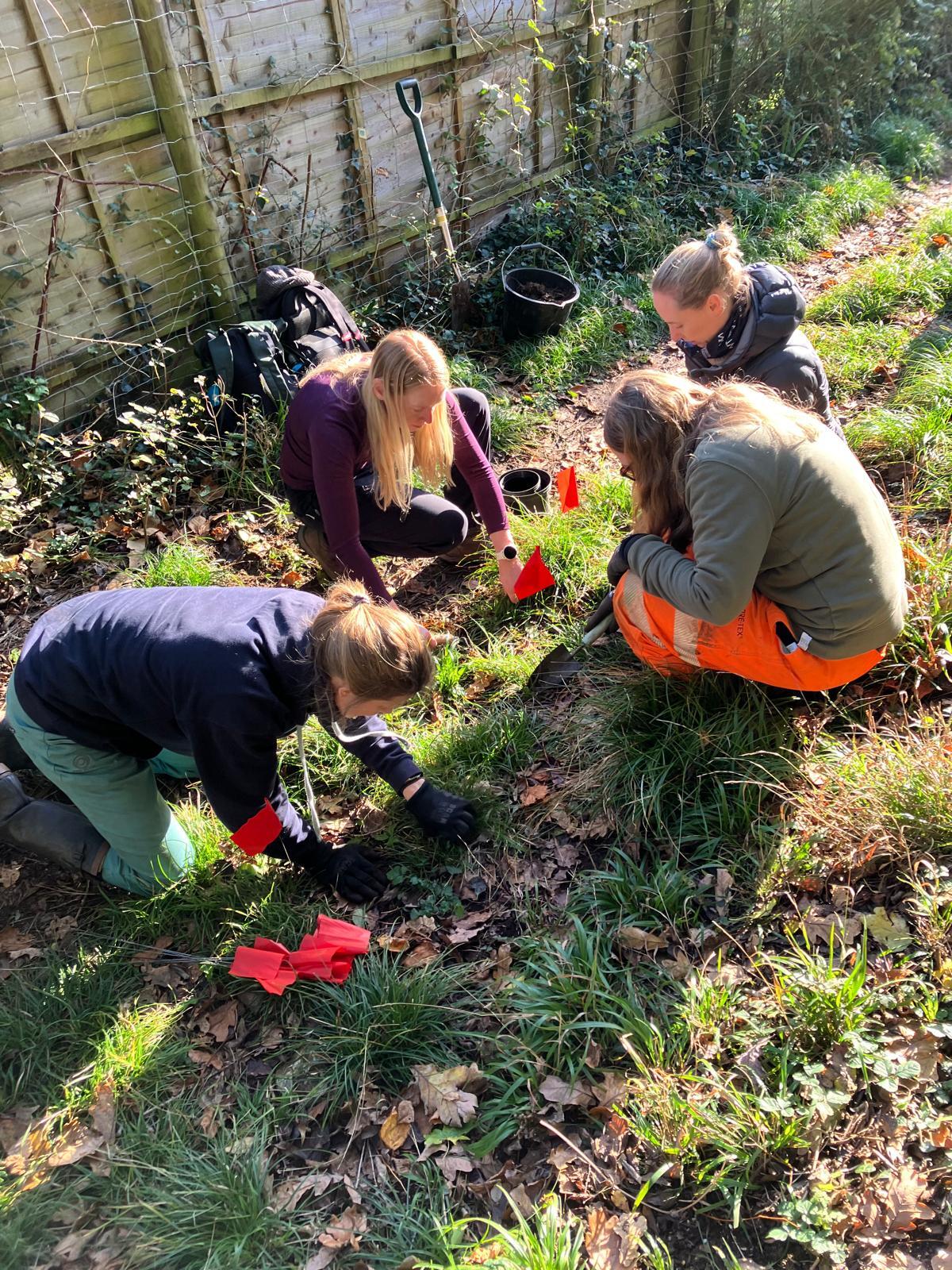 The UK’s rarest plant is being brought back from the brink of extinction in the Mendip Hills National Landscape. The starved wood-sedge is found at only 2 native sites across the country, 1 of which is at Axbridge. Conservationists from the Species Recovery Trust have cared for the plants for more than 2 decades, but despite earlier progress in boosting numbers, the species has once again come under threat.
The starved wood-sedge (Carex depauperata) is a distinctive perennial plant typically found in wetland habitats such as bogs, fens and swamps, as well as moist woodland edges. It’s monoecious, producing both male flowers at the top of the stem and female flowers at the base. Although small and unobtrusive, the flowers still attract a range of insect pollinators.
The plant plays an important role in wetland ecosystems, providing habitat for birds, insects and amphibians. It also helps regulate water flow and nutrient cycling. However, habitat loss and fragmentation, particularly through the drainage and development of wetlands, have contributed to its decline. Changes in water flow and quality also threaten its ability to grow and reproduce.
In Axbridge, a small cluster of plants has survived along a path edge near woodland. Dominic Price, Director of the Trust, explains:
“In the last few years, the plants have unfortunately, and rather catastrophically, decided to move off the bankside habitat we’ve maintained for them, and started growing directly on a public footpath. This has put them directly in harm’s way from being trampled”.
The organisation made the bold decision to remove the plants from the track and take them into captivity so they can be propagated and increased in number. This will provide enough plants to re-establish the native site and enable the Trust to attempt to create 2 new populations within the Mendip Hills National Landscape in safer locations. The sedges will be cared for in a specialist nursery until they are ready to be returned to the wild.
This work has been made possible through funding from the Mendip Hills National Landscape team. Manager Jim Hardcastle said:
“Nature recovery is key to our work these days so it’s great that we can help the Species Recovery Trust in their important work. At first glance this is quite an unassuming grass that many people will have walked past for years but it’s still an important part of the ecosystem and deserving of our attention and support.”