
Further S106s completed for BNG habitat banks and phosphate mitigation
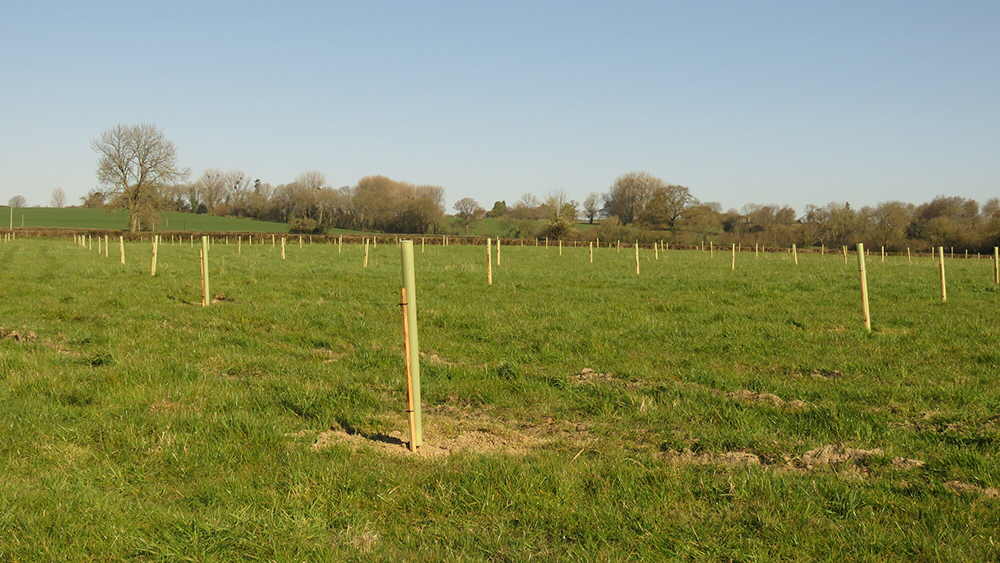
In 2024, we launched an Environmental Call for Sites to identify and prioritise land for securing Biodiversity Net Gain (BNG) habitat banks and phosphate mitigation schemes. Through this process, we’ve been able to prioritise working with sites that are most likely to deliver the best outcomes.
From a BNG perspective, once Habitat Management and Monitoring Plans (HMMPs) have been approved, we have then negotiated Section 106 legal agreements to formally secure the land for delivery in line with these HMMPs.
We now have 4 additional BNG habitat bank sites to add to those reported last year. These sites have been legally secured with the Council through Section 106 (S106) Agreements. 2 of the sites are also providing phosphate mitigation, having benefitted from the Nutrient Mitigation Fund.
The new sites are listed below:
Trinity Farm (Wellington)
The Trinity Farm scheme is for BNG and Phosphate mitigation and involves grassland enhancement. The accompanying S106 Agreement requires the owners and operators to:
- work towards declaring the site as a Local Nature Reserve;
- use reasonable endeavours to facilitate educational field trips to the site for local schools;
- provide practical support for local stakeholders in relation to interpretation boards about the scheme, the site's archaeological relevance and wider context; and
- deliver a permissive path through the site from Foxdown Hill to Hilly Head.
This all supports implementation of the wider Wellington Green Corridor.
Eastcombe Farm (nr Bishops Lydeard)
The Eastcombe Farm scheme is also for BNG and Phosphate mitigation. The BNG scheme is comprised of grassland scrub and woodland creation together with pond, hedgerow, tree and ditch enhancement works.
The Phosphate mitigation scheme is based on the implementation of drainage ditch management and buffer strips to watercourses.
Wrangcombe Farm (nr Wellington)
The Wrangcombe Farm scheme is for BNG only and focuses on grassland and pond enhancement and scrub creation.
Grabhams Farm (Stapley, nr Churchinford)
The Grabhams Farm scheme is for BNG only and focuses on grassland and hedgerow enhancement. The accompanying S106 Agreement requires the owners and operators to use reasonable endeavours to implement a public access plan for community and educational purposes.
The S106 Agreements secure delivery of the HMMPs against the land for a period of 30 years from the date at which habitat creation and enhancement works are completed. Phosphate schemes are secured for a period of 80 years. Some of the sites are phased.
The landowner or gain site operator must submit monitoring reports to the Council periodically. Once they have registered the site on the national gain site register, they can then allocate biodiversity units from the site to developments so they can demonstrate meeting their statutory BNG requirements.
This is an important step in unlocking future development where it is justified as necessary for it to rely upon off-site rather than on-site BNG delivery. It enables that off-site delivery to occur in Somerset, which better meets our BNG Guidance, is more cost-effective for Somerset developers, further contributes towards delivering local nature recovery, and also boosts green investment in our area's natural capital.