
Water buffalo are breathing life back into Exmoor
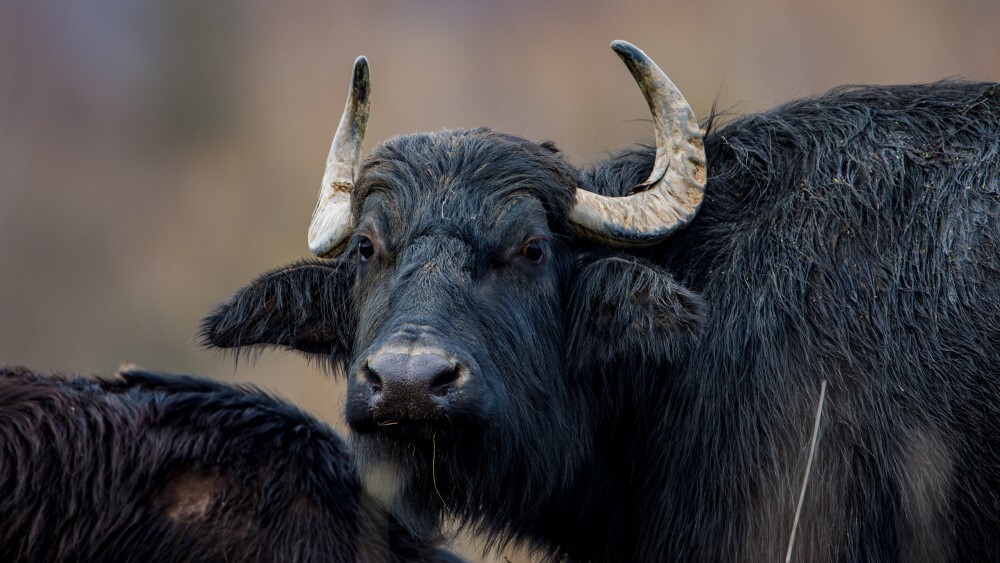
A herd of 6 female water buffalo has been released onto Exmoor’s moorlands in the UK as part of an ambitious National Trust rewilding project to boost biodiversity and restore farmland to its natural wetland state.
The National Trust said the buffalo were known as ‘wetland architects’ because they use their hooves to churn soil, dig out the earth to create spaces to wallow in and keep ponds open – slowing water flow and helping it naturally settle on the moors as well as helping the soil to hold water during floods and droughts, thereby improving the resilience of the landscape.
Murray Sharpe, farm manager for the West Exmoor National Trust, said:
“Buffalo are specialised wetland animals, and this site offers an ideal habitat for them. They’re hardy, disease-resistant and able to thrive on rough forage. Their thick skin and natural wallowing habits make them more tolerant of flies and ticks than cattle, which means they’re well-suited to this landscape.
“By grazing and browsing around the many ponds, scrapes and ditches on site, they’ll help shape a broader range of habitats than we couldn’t achieve without them. In doing so, they’ll create a wealth of new niches for wildlife and play a role in driving the ecology of the site.”
Water buffalo origins
Water buffalo originate from Asia, however, in recent years they’ve been used at various sites in the UK instead of using heavy machinery to boost biodiversity, as the mammals are hardier and more tolerant of water-logged conditions than domestic cattle and better suited to the conditions.
The area where the buffalo are located cannot be accessed by the public and is cared for by the National Trust. The area includes wood pasture, grassland, hedgerows, and wetlands.
Alex Palmer, from the National Trust, said:
“Introducing buffalo here will build on the success of the work already completed on site.
“The buffalo are a key component to the future success for this site, and we’re looking forward to seeing their impact.”
Alongside the buffalo, Mangalitsa pigs are also helping to shape the landscape. Their rooting behaviour creates bare ground that supports wildflowers and insects, while slowing surface water. These disturbed patches are over-sown with wildflower seed, which the livestock help distribute naturally as they move across the site.
Other interventions carried out by rangers and volunteers include removing underground land drains, filling in old ditches to allow water to spread more widely, and creating wildlife habitat piles from hedgerow cuttings. These piles provide shelter for insects and small mammals and encourage scrub and tree growth – benefitting birds such as willow warblers and cuckoos.
As the buffalo settle into their new home, the team will continue monitoring how the landscape responds – tracking changes in water flow, plant diversity and wildlife numbers over the coming years.