
Return of the pine marten in Exmoor
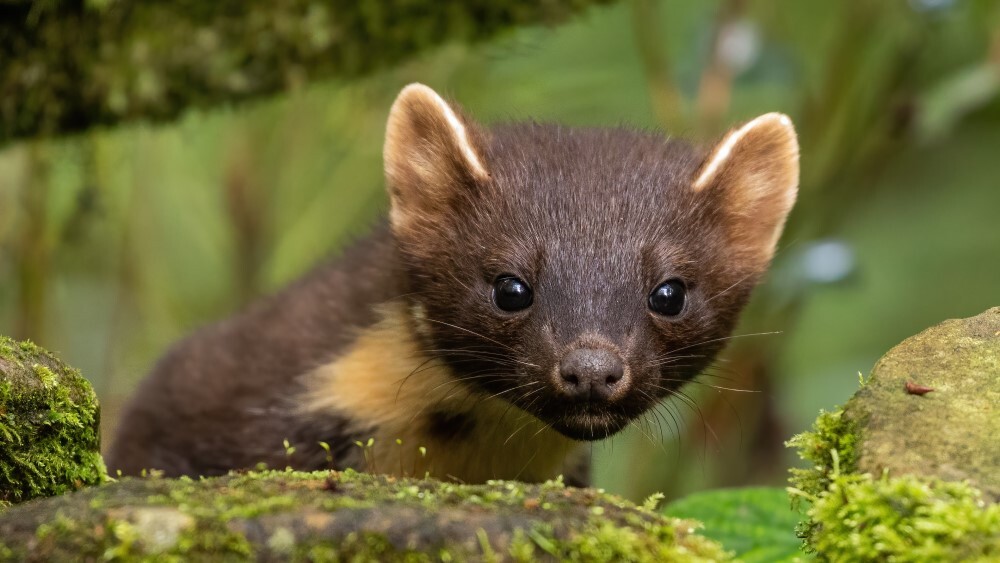
Pine martens are back in Exmoor National Park for the first time in over 100 years.
A total of 19 pine martens – 9 female and 10 male – have been released into secret woodland spots to help bring back more nature to life in the area.
These cat-sized creatures used to live all over Exmoor, but they disappeared because of hunting and habitat loss. Pine martens became extinct in south west England over a century ago due to the loss and damage to their woodland habitats and the threats they faced from hunting and trapping.
Now, they’re being reintroduced thanks to conservation projects like this.
After health checks, these pine martens were driven more than 500 miles (800 km) from Scotland in a specially converted vehicle.
They then spent a few days with fresh food and water in a release pen to help them get used to their new surroundings before they were released.
After 3 days, the door to each pen was opened and the pine martens were able to slip into their new wild surroundings.
To keep an eye on the new arrivals, each pine marten is wearing a special radio collar, meaning researchers can follow them over the next 6 to 9 months.
Experts hope this is just the beginning of a big wildlife comeback for Exmoor.
Devon Wildlife Trust’s Tracey Hamston, who leads the project, said the release of the pine martens is “a positive sign that nature can be restored”.
She believes our woodlands and their wildlife will benefit from the reintroduction of the pine martens.
Top 5 pine marten facts:
- Pine martens are part of the stoat and weasel family.
- They are usually chestnut brown in colour with a noticeable pale-yellow patch on their chin and throat.
- Pine martens are shy, nocturnal animals – meaning they are active at night – and can be very hard to spot.
- They prefer to live in woodlands and are excellent tree climbers.
- Pine martens have a varied diet which includes everything from fruit and insects to small mammals and even birds.
To find out more, visit the Wildlife Trust’s news page.