
Trees to replace the ash
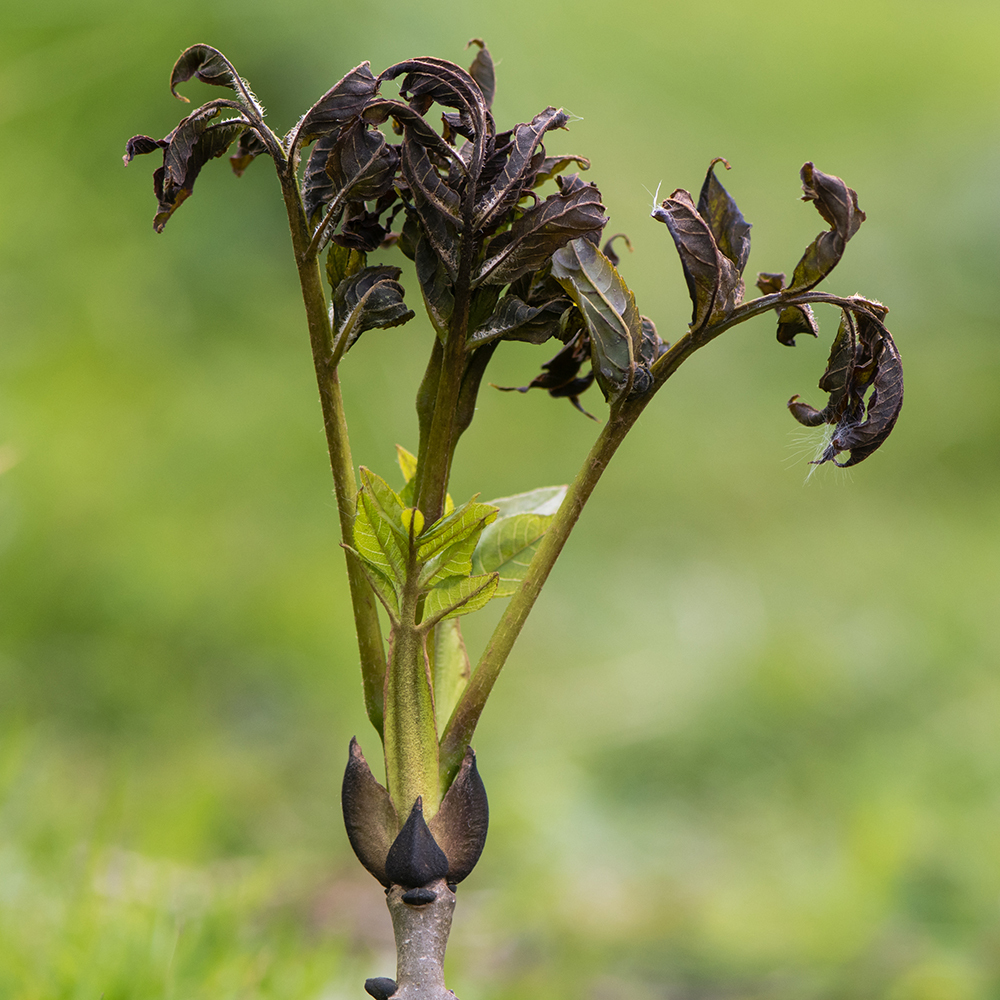
James Chapman, Somerset Tree Strategist has been working on a forest research project looking at possible replacement species for ash (Fraxinus excelsior).
Ash dieback was first reported in the UK just over 12 years ago. Its spread has been disastrous with very few woodlands unaffected and in Somerset it accounts for nearly 20% of all our trees.
The problem is exacerbated by the increasing threat of pests and pathogens to other tree species, including our native oak, beech, larch and birch.
For many years, sycamore was dismissed as a suitable woodland species. It was first introduced in the 16th century from Central Europe and although it has become naturalised, it's considered to be non-native and consequently dismissed from most planting schemes.
Its rooting structure and bark pH are, however, very similar to ash and although it's unlikely to fully replace its habitat diversity, it can support a substantial portion of ash-associated species.
Sycamore is proving to be one of the more resilient trees to climate change and is a species that we might consider as an ash replacement across the county.
If you're interested in this research, you're more than welcome to share your views and comments with James by emailing James.chapman@somerset.gov.uk.
And, also let us know as soon as possible if you have land suitable for tree planting such as new orchards or new hedges as we're looking to apply for funding to help plant trees to improve the canopy coverage of Somerset.