
Spring at Ham Hill brings wildlife, volunteer efforts and improved access
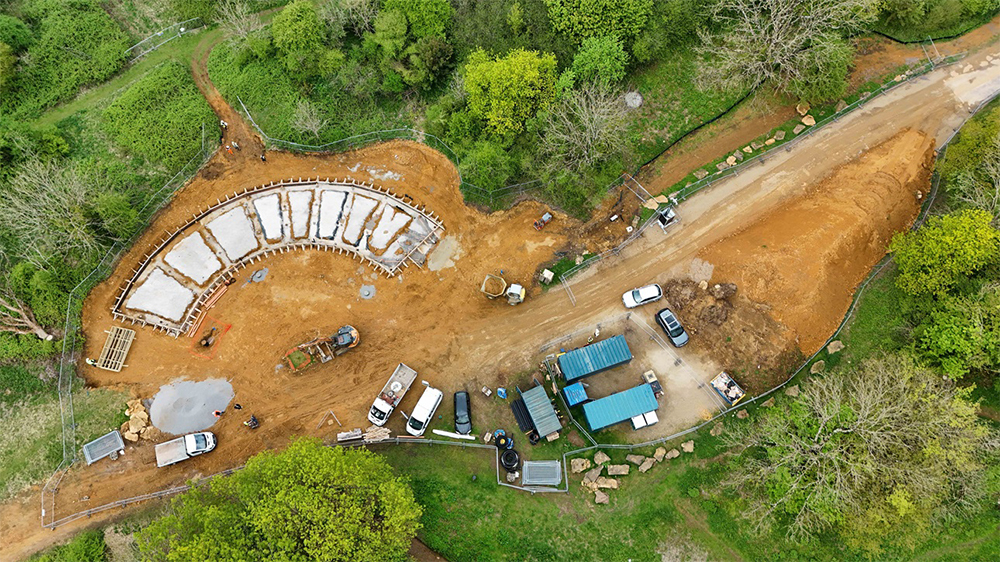 Ham Hill Visitor Centre
May is a wonderful time of year to get out and about in nature. The days are longer and warmer, and everything is in full growing mode.
This means the rangers and volunteers will be spending much of their time cutting back vegetation to keep paths open for our visitors to use as they explore the site.
The Monday volunteer team have done a fabulous job of restoring the footpath that brings you to the top of Ham Hill from Ham Hill Road.
This will help our walking visitors to avoid the narrow and slightly treacherous bit of road as they walk up from the village. If you’re not sure where it is, listen to volunteer Cliff’s narrated video on our Ham Hill Country Park Facebook page.
Our Monday walling volunteers continue to restore the historic (1600s) parish boundary wall between Montacute and Norton and volunteers have been on the far side of the site cutting back gorse in Witcombe Valley.
The control of the gorse is an important part of our Higher-Level Stewardship agreement as gorse can damage the strip lynchets and ramparts in this area of the site, as well as take-over the grassland. It does smell wonderful though – if you dare to get close to the needles, it smells of coconut!
The Friends of Ham Hill arranged a community litter pick event as part of Keep Britain Tidy’s ‘The Great British Spring Clean’ campaign. Thank you to all who took part, and we hope less litter will be dropped in our beautiful nature places.
Car parks have been resurfaced and slightly reconfigured to provide better parking opportunities.
Unfortunately, this has resulted in some unwelcomed behaviour with “doughnut” car tyre marks being made on the flat open surface, so we’re in the process of designing some features to prevent this, as it’s already starting to undo the work that has been completed.
Ranger Geoff has delivered some geology-focused sessions to some school groups, including Richard Huish A Level Geology students.
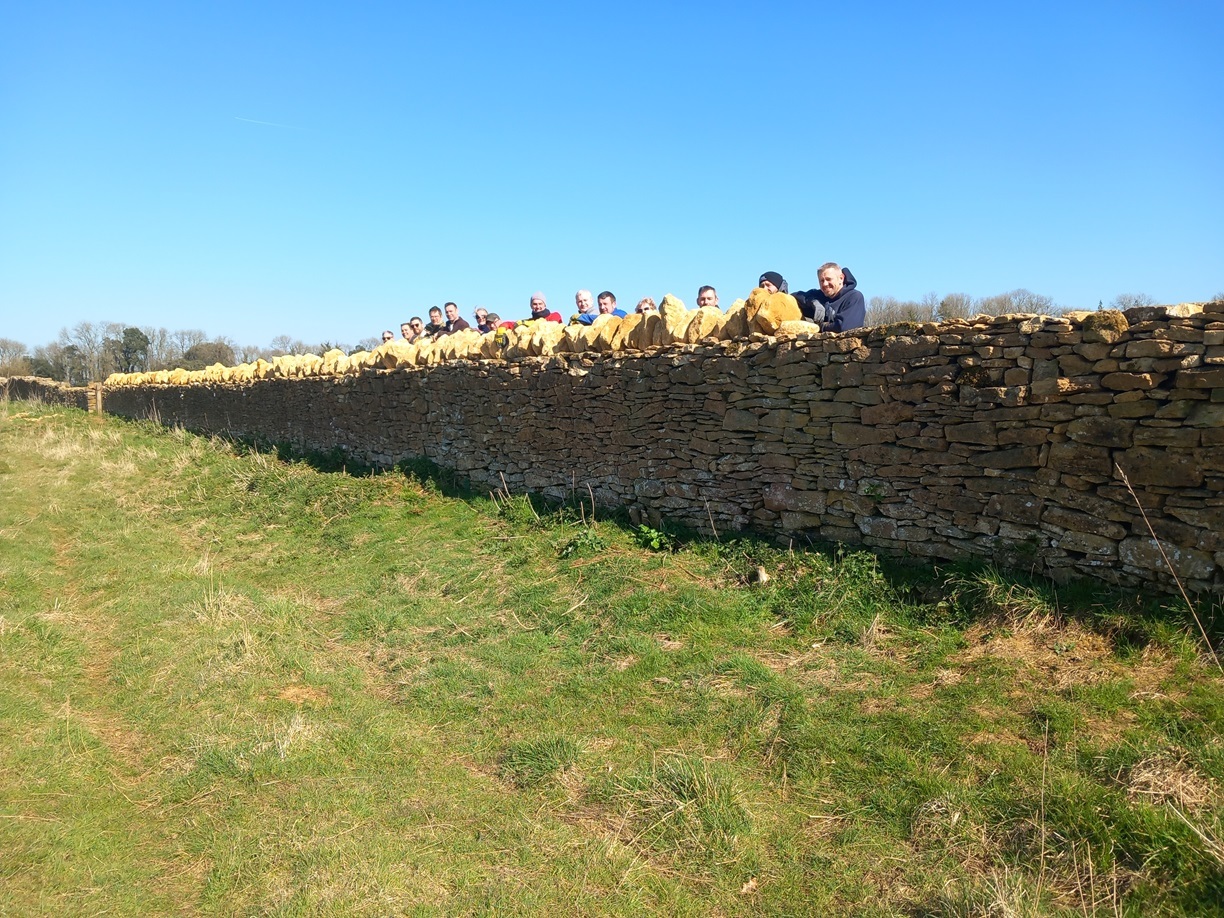
Corporate volunteers spent the morning placing top coping stones to finish the restoration of a 40m length of the dry-stone wall between Strouds and the Warren.
The rangers and volunteers have also started clearing back vegetation in ‘Jacker’s Quarry’ with the aim of opening it to the public later this year.
Jacker’s Quarry is so called due to the nesting Jackdaws, and it was used as an area for testing Westland’s (now Leonardo) helicopter rotor blades in the 1950’s.
May is one of the peak months to get up to Ham Hill and discover its diverse wildlife. The first of the orchids are starting to appear – the early purple, closely followed by common spotted and pyramidal.
These are best seen in the meadows, but please stick to the paths and keep dogs on leads as the skylarks are still nesting in the grass and if disturbed, can abandon their nests and chicks.
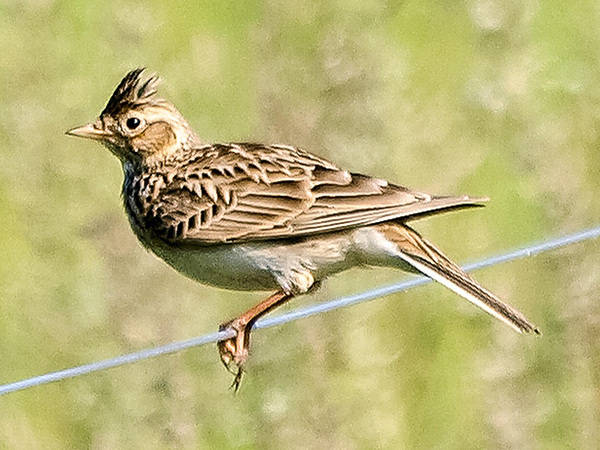
Last year, skylarks were recorded across all the flat fields, which is why dogs must be kept on a lead throughout these areas until the end of July, to protect the chicks that are reared in nests in the grass.
As skylarks breed in open ground, they have no trees to perch on to mark their territory, which is why they hover above the fields.
You’ll also be able to hear Chiffchaffs as they repeat their name in their song – one of the easiest bird calls to identify. Chiffchaffs are migrants from the continent, but warmer winters have led to some of them staying all year round.
As the meadows start to burst into flower, look out for more butterflies ‘on the wing’, including orange tips, peacocks and common blues.
Last year was a bad year for invertebrates due to the wet summer, so let’s hope their populations recover if we have a drier summer this year. Talking of which, the oaks have already burst into leaf, ahead of the ash and as the saying goes: ‘Oak before ash and you’re in for a splash, ash before oak and you’re in for a soak!’
However ash trees are sadly failing across the site due to ash dieback disease, so this saying will hold less true in future years.
To book on any of our upcoming events, go to Visit South Somerset’s Events page.