
Unprecedented CO₂ levels reached between 2023 and 2024
Between 2023 and 2024, the Mauna Loa records identified the fastest annual rise in atmospheric carbon dioxide concentration. The forecast for 2024 to 2025 suggests that this increase will continue at a pace faster than what is needed to meet the IPCC scenarios that limit global warming to 1.5°C. This ongoing rise in CO₂ is primarily driven by fossil fuel burning and land use changes. However, this year's increase will be smaller than last year's due to a re-strengthening of natural carbon sinks, partly linked to a shift from El Niño to emerging La Niña conditions. Despite this, the annual CO₂ rise remains too high to be compatible with the IPCC’s 1.5°C scenarios.
This situation calls for urgent global action to both prevent further CO₂ emissions and remove existing CO₂ from the atmosphere to reduce global warming below 1.5°C. The majority of CO₂ emissions come from burning fossil fuels, and 2024 saw an increase in fossil fuel use and related emissions. To reduce CO₂, we urgently need to transition away from fossil fuels used in electricity generation, heating, transportation, and plastics. For information on grants for home energy efficiency improvements and other energy-saving advice, visit Somerset Energy Saver.
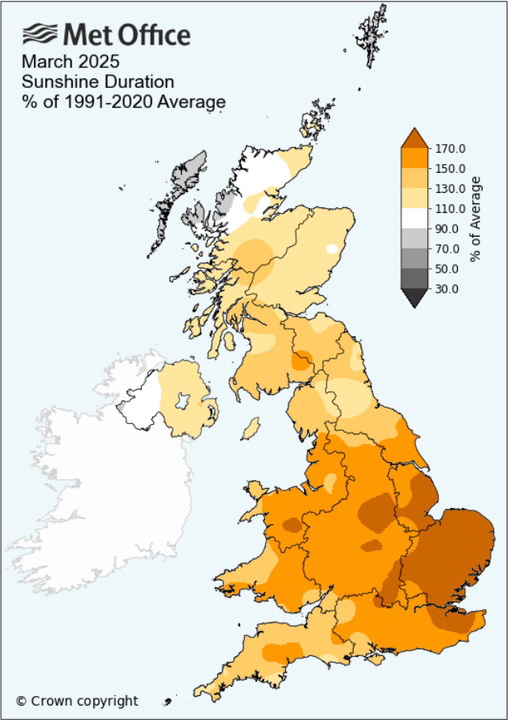
The increasing CO₂ levels are altering our weather and seasons, leading to warmer, wetter winters and drier springs. This spring, we have seen more hot days, and according to the Met Office, March was the sunniest on record and the driest in over 60 years, with only 25% of the typical March rainfall recorded across the country. The Dorset and Wiltshire Fire and Rescue Service issued their second amber alert of the year for wildfires in March, urging people to avoid using disposable barbecues or campfires. Wildfires were also reported this spring in Wales (113 grassfires) and Inverness, Scotland.
River levels in many areas continued to drop through March due to the lack of rainfall. The UK Centre for Hydrology and Ecology reported that some rivers are experiencing notably low flow for this time of year.
As global warming continues to impact our weather systems, we need to adapt and help nature help us. Solutions include collecting and storing rainwater from winter rainfall, planting drought-resistant plants and trees for shade and to help to reduce flooding.
And as it turns out, the overwhelming majority of people in the world – between 80% and 89%, according to a growing number of peer-reviewed scientific studies recently published – want their governments to take stronger climate action. To urgently reduce greenhouse gas emissions, globally there needs to be a stop on burning fossil fuels. This year's Earth Day on 22 April was themed "Our Power, Our Planet," calling for global unity behind renewable energy and a tripling of clean electricity generation by 2030. Experts see this goal as crucial to limiting the rise in global temperatures to 1.5°C. In this edition of SEEN, we link to Thermly, which supports householders in switching to heat pumps, PV and batteries too.