
Woodland Wildflowers to spot in spring
Spring is arguably the most beautiful time of year for a woodland walk. The days are getting longer and our broadleaf trees start to emerge from their winter slumber but just before they come into full leaf and shade the forest floor, many of our wildflowers seize the opportunity of dappled sunlight and burst into life.
Here’s a few to keep an eye out for and where to go to spot them.
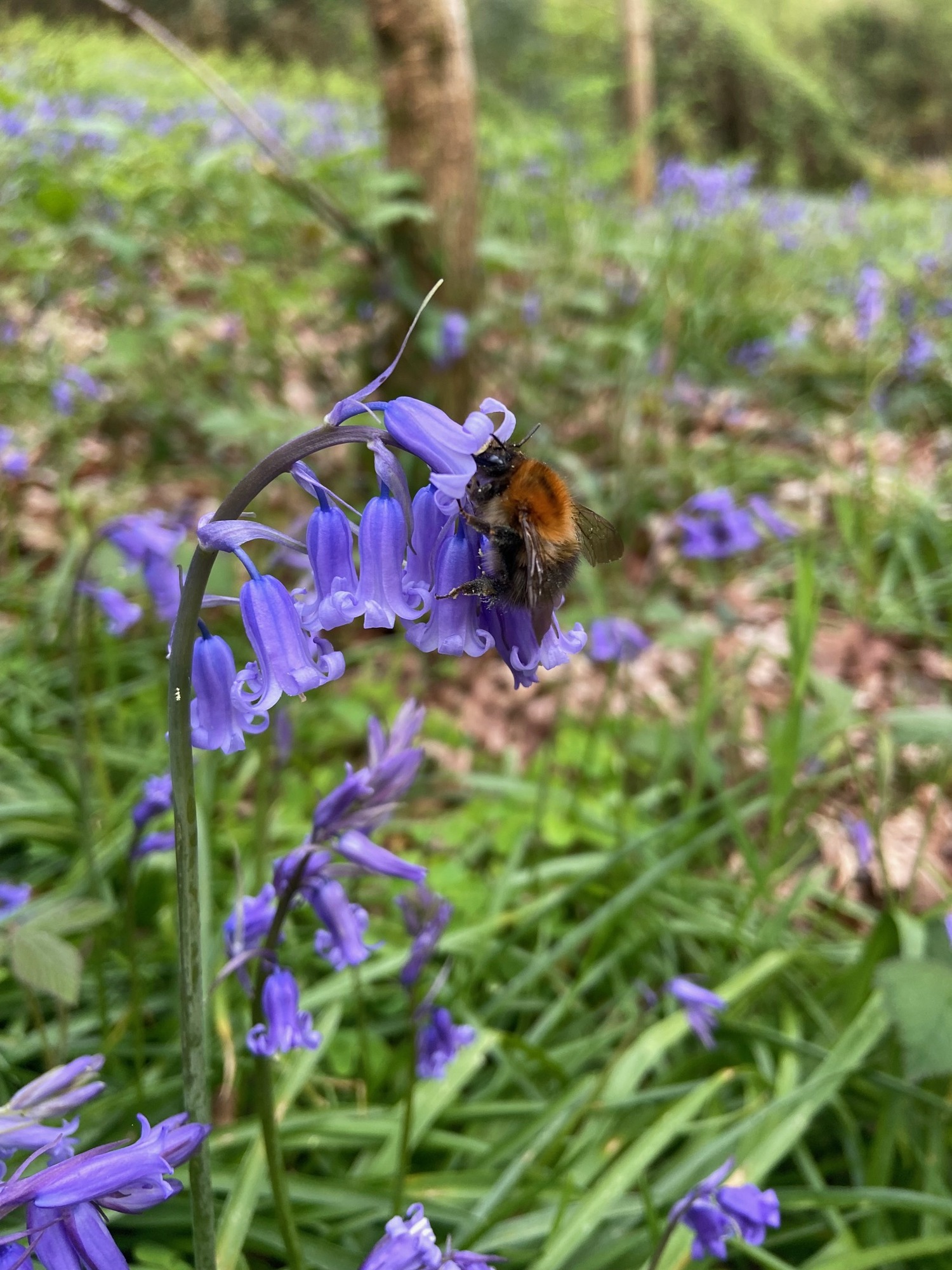
- Bluebells – an iconic sign of spring, bluebells can provide a stunning sight carpeting the woodland floor. Almost half the world’s population are found in the UK, they’re relatively rare elsewhere.
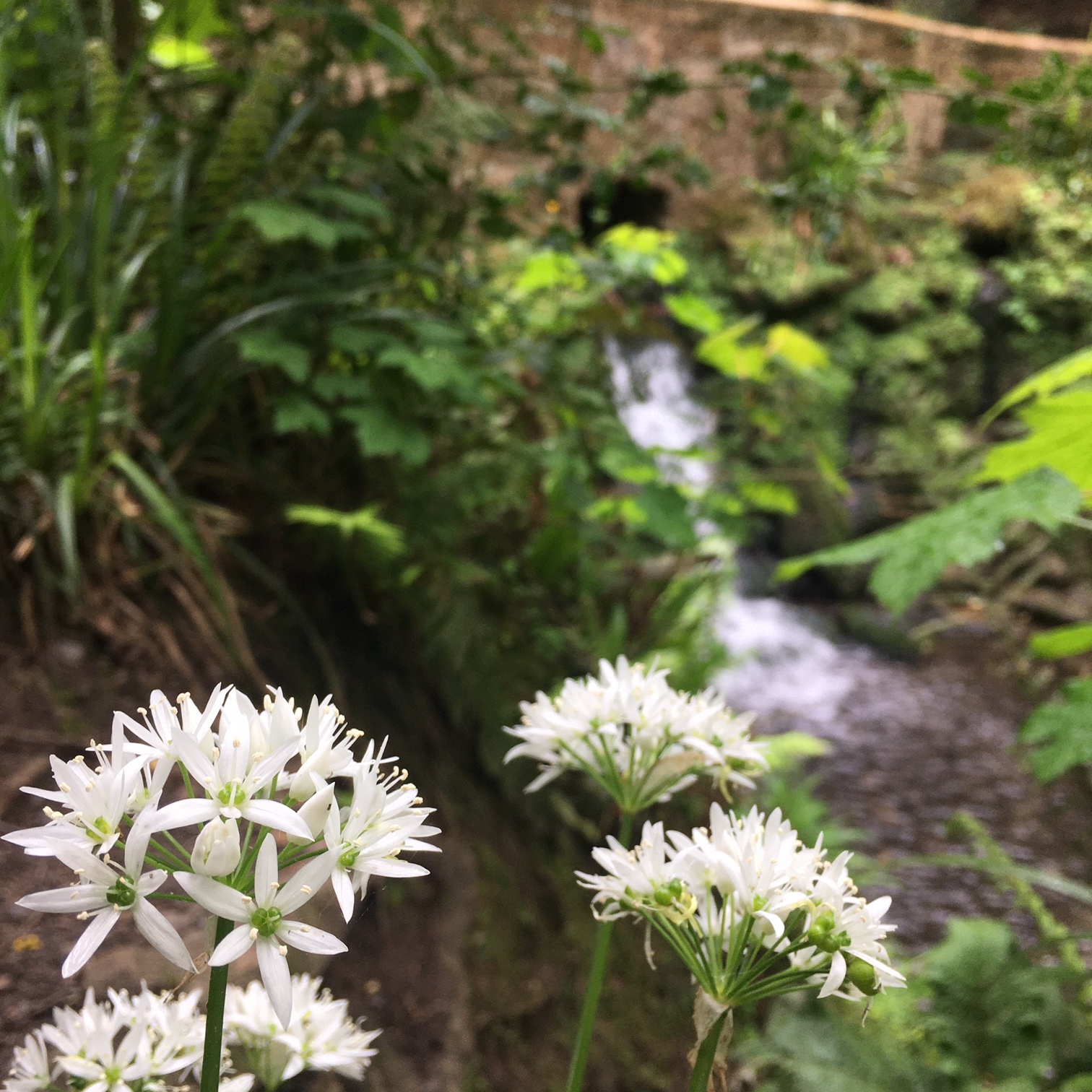
Wild garlic -this pungent plant, also commonly known as ramsons, is edible and popular with foragers. It has pretty, white flowers and, like bluebells, it can carpet the woodland floor in spring.
Lesser celandine – charming and cheerful, this low growing plant with its dazzling yellow flowers brightens up the forest from January to April. Wordsworth was such a fan of that he wrote 3 poems about it.
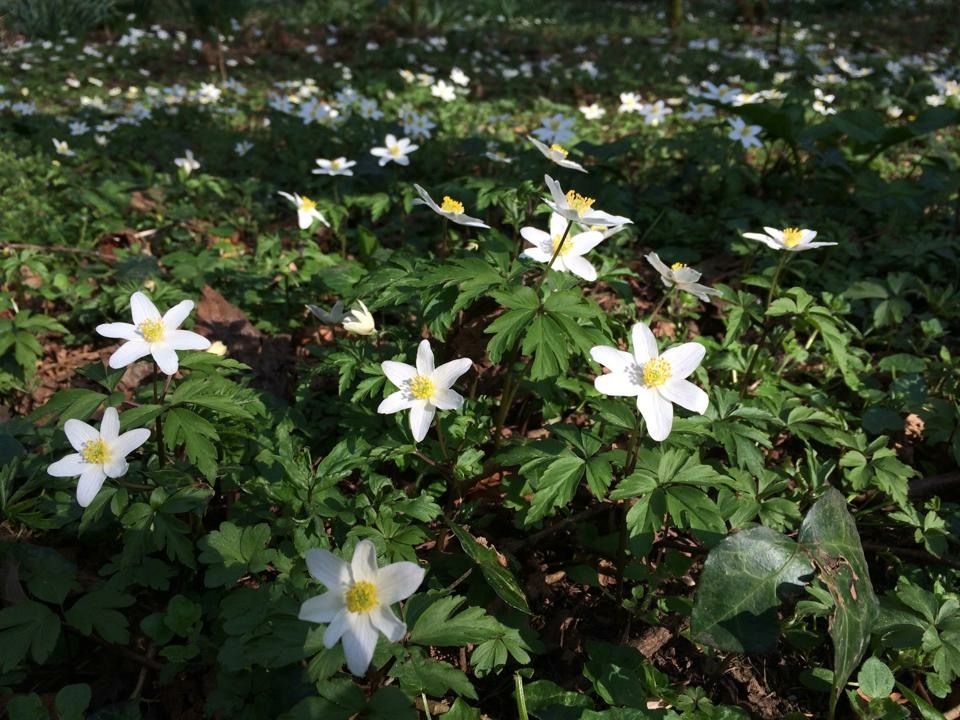
Wood anemone – this star shaped flower is one of the first to appear in spring. It is an ancient woodland indicator species but can also be found by hedgerows and meadows. The Romans believed it was a lucky charm and would pick the first flowers to appear each year to ward off fever.
Greater Stitchwort – swathes of this pretty white flower can be found in woodlands, hedgerows and on roadside verges between April and June. It has 5 white petals, usually 2-3 cm across and each split halfway so giving the appearance of 10. The plant was once used as a herbal remedy for a stitch, hence its name. (It can be confused with its much smaller cousin, lesser stitchwort whose flowers are only 0.5-1cm across.)
Cowslip- these grow in woodlands as well as meadows and grassland verges. Their yellow bell-shaped flowers appear in between April and May. They were traditionally picked on May Day to decorate garlands.
Somerset has plenty of lovely patches of woodland for you to enjoy during spring. Our top picks include:
Ham Hill Country Park (Stoke sub Hamdon): a stunning mixed grassland and woodland site. Ham Hill is a wildlife haven centred around an Iron Age hillfort.
Chard Reservoir Local Nature Reserve (Chard): woodland edge surrounds the expanse of open water with spectacular scenery. There is also a small children's woodland play area.
Netherclay Community Woodland (Taunton): a young woodland on the banks of the River Tone, north of Bishop’s Hull
Yeovil Country Park (Yeovil): explore beautiful woodland and waterfalls as you follow the River Yeo.
Kings Castle Wood (Wells): not easily accessible by car but only a mile southeast of the centre of Wells, this wood is rich in wildflowers and managed by the Somerset Wildlife Trust
Swell Wood (Taunton): a mix of ancient woodland and an abandoned oak plantation, which is over 100 years old. Swell Wood is managed by the RSPB and well known for its fantastic ground flora, as well as its large number of nesting grey herons.