
March nature. What to look out for and how to help nature this spring
In the Garden
If you've been able to leave tidying up and cutting back your garden to benefit over wintering wildlife, now is the time to cut back as new growth is starting but leave a few areas if you can. Take care removing any piles of leaves and vegetation in case it is still being used by animals such as hedgehogs.
Hedgehogs
If you see a hedgehog in your garden, the People’s Trust for Endangered Species would like to hear about it. They are running a national survey to help understand how they are fairing. You can find out more here The National Hedgehog Monitoring Programme - People's Trust for Endangered Species
Water for Wildlife
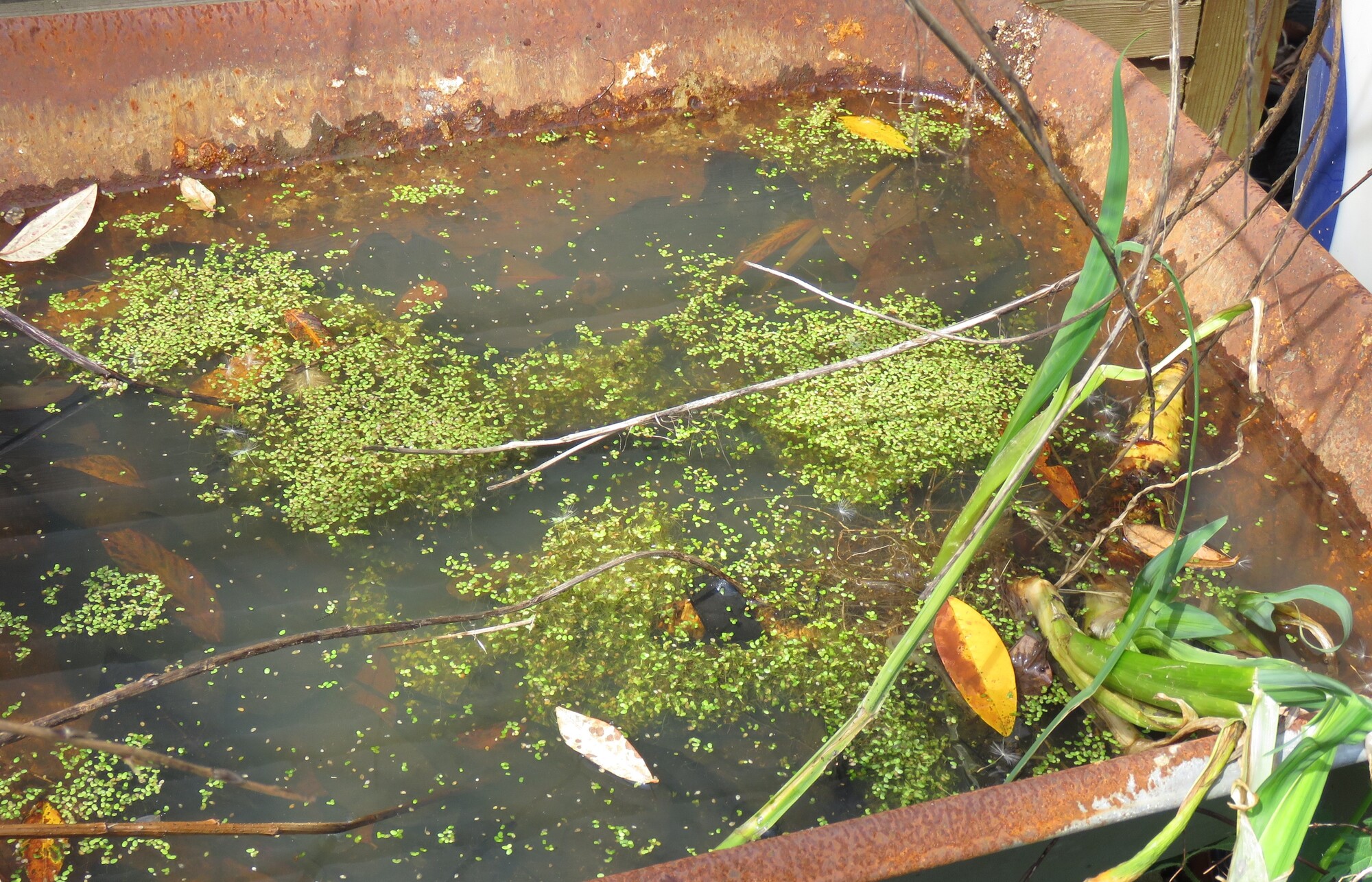
If you don’t have a wildlife water space in your garden, now is a great time of year to provide some. It can be anything from an up turned dustbin lid, waterproof container sunk in the ground or a dug pond. Water will all attract more wildlife to your garden. Make sure that animals that accidently fall in can get out by keeping the sides shallow and providing stones or branches that can be used to climb out. Placing tallish plants nearby can help give wildlife shelter and hiding places and enhance its attractiveness to wildlife.
Frog and Toad spawn
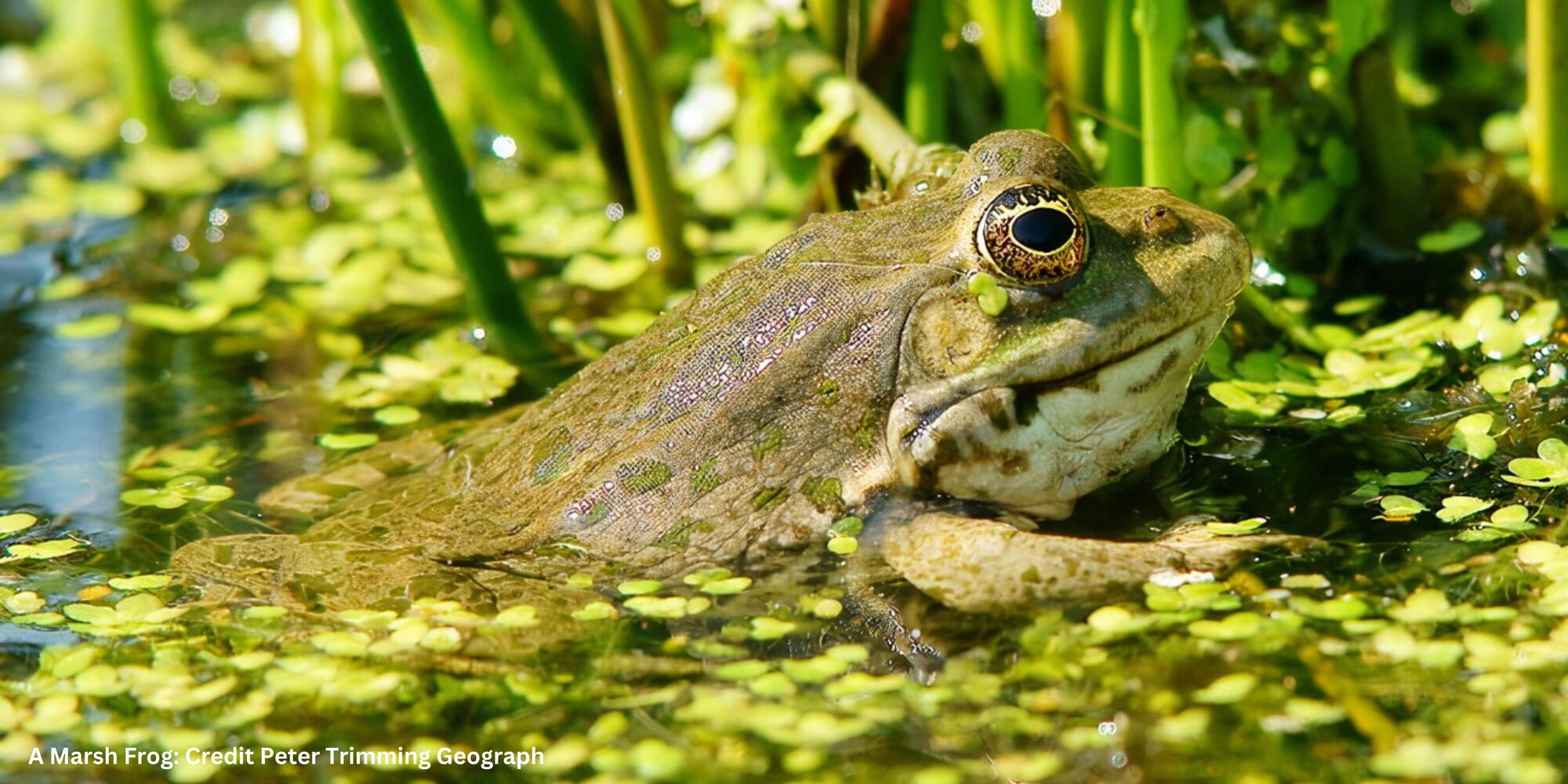
Your pond may find your pond is used as breeding areas by frogs, toads or newts. If you are lucky enough to have had any of these visitors, do let the Somerset Wildlife Trust know about it so they can monitor how frogs and toads are doing. Frog & Toad Count | Somerset Wildlife Trust or PondNet Spawn Survey - Freshwater Habitats Trust
Butterflies and Bees
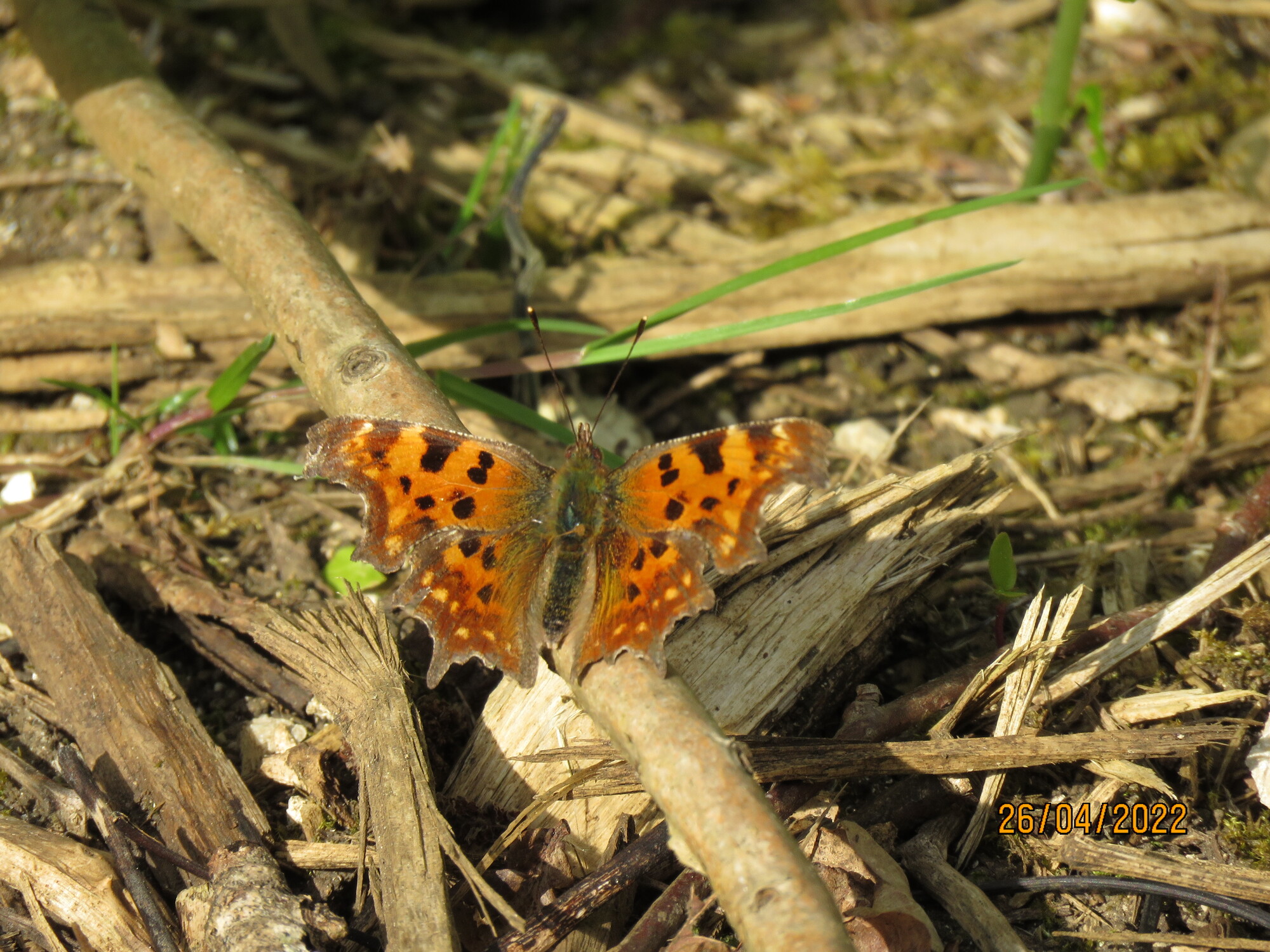
Keep your eyes peeled for the first butterflies and bees. They will be last year’s adults that have hibernated over the winter. You can help them by growing plants with single flowers that have early nectar and pollen such as, Snowdrops, Lungwort, Spring flowering Cyclamen (Cyclamen coum), Mahonia, Witch Hazel, Winter flowering honeysuckle, Christmas box, Crocus, Viola and Primroses/ Polyanthus.
At this time of year the over wintering butterflies you might see include Small Tortoiseshell, Peacock, Red admiral and perhaps a Brimstone. You can find out more at Butterflies | Butterfly Conservation (butterfly-conservation.org) If you have spare time you could join the garden Butterfly survey Home | Garden Butterfly Survey.
There are also a few moths that you may see flying at this time of year if you are out in the evening. You can see the latest Somerset sightings on the Somerset Moth Group website. Latest Sightings | Somerset Moths
Honeybees and bumble bees will be active on warmer sunny days, hunting for nectar. The first bumble bees are usually the buff tail queen bumble bees that have over wintered from last year. They are big and usually have a beige tip to their abdomen. You can find out more here Identifying Bumblebees - Bumblebee Conservation Trust Bumblebee identification tips
In the Countryside
March Hares
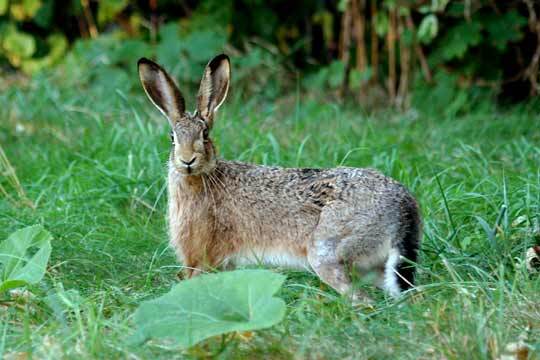
If you are walking quietly in open or arable countryside, you may be luckily enough to see one of these beautiful animals them. It is the females that box each other. If you are uncertain if you have seen a hare or a rabbit you can find the difference on the Mammal Society website here. Brown hare — Mammal Society
Skylarks
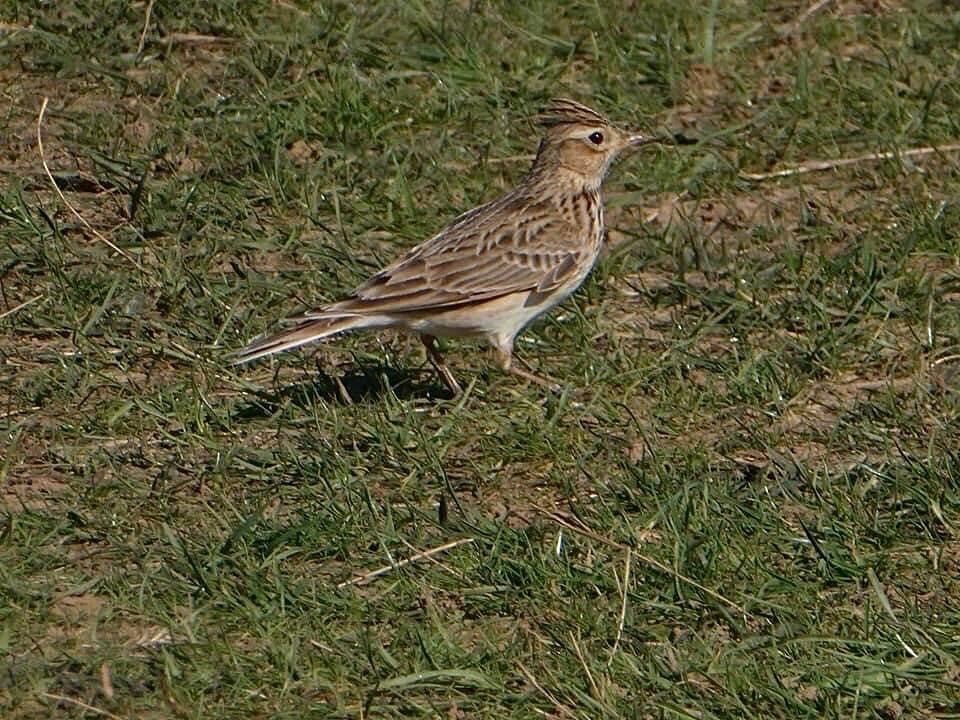
All our birds are starting think about nesting in bushes, hedgerows or on the ground. Whilst looking out for hares, listen out for the truly amazing song of the skylark in same open or arable habitats. You can listen to their streaming song as the hover in the sky here Skylark Bird Facts | Alauda Arvensis - The RSPB. Remember, if you are with your dog, keep them on a lead. These rapidly declining birds lay their eggs on the ground and nests which can very easily be destroyed or abandoned if disturbed. We a very lucky to have this wonderful bird in several areas of our County. You can find out more about skylarks at British Trust for Ornithology web site Skylark | BTO - British Trust for Ornithology. Or what other birds are about at this time of year here with Bird-of- the-Month February’s Birds of the Month: which ones will you see?
Don’t forget weather can be changeable, and it can get muddy underfoot. So please follow the countryside code, check the weather forecast before you set off, and make sure you’re dressed appropriately.