
Batteries contain hidden treasures - don't bin them!
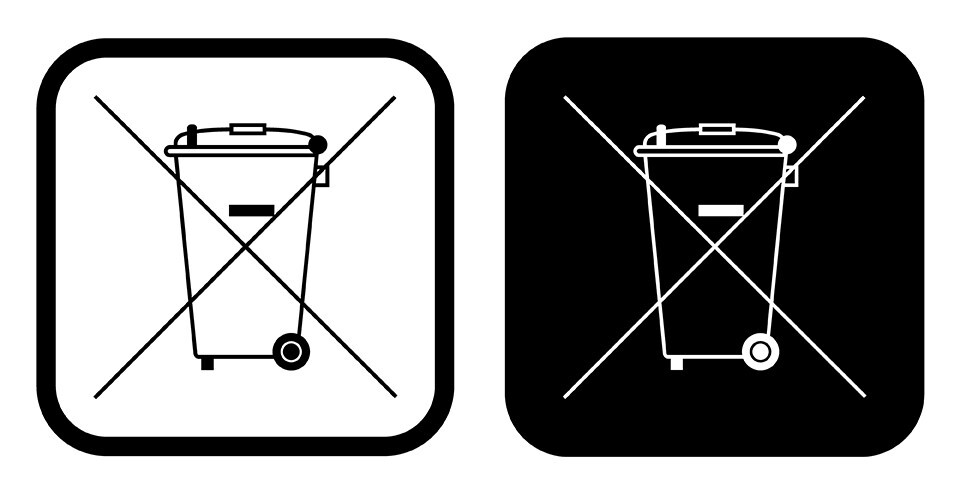
Crossed out wheelie bin symbol
If you’ve had plenty of battery-powered toys whizzing around the house over Christmas, remember to recycle the batteries when they’ve lost their power .
Valuable materials such as nickel, zinc, cadmium and lithium are hidden in our household batteries, if we throw them in the bin, we’ve lost them forever. Recycling batteries means we can use the materials again.
Batteries can also be dangerous to our crews, they can easily catch fire if crushed or if they overheat. The chemicals are also harmful to the environment, they should never be thrown in the bin.
Batteries are hidden in so many of our everyday items – from mobile phones and vapes to electric toothbrushes and children's toys. All of which can pose a danger if not handled carefully, especially when it comes to throwing them away.
Look for the crossed out wheelie bin symbol
All batteries and electrical products should display the ‘Crossed out wheelie bin’ symbol. This means they should not be put into your household rubbish when they no longer work or are no longer wanted. Instead, they should be recycled.
What to do with batteries and electricals
Batteries and small electricals can be recycled at the kerbside. Plastic bags (not black sacks), can be used to recycle batteries and electricals, leave beside your recycling boxes for collection.
- Small household batteries – put in a tied small plastic bag, like a bread bag.
- Small household electrical items – no bigger than a carrier bag (such as electric toothbrushes, vapes, kettles or toasters, no TVs or monitors). Put in an untied plastic bag.
Small batteries can also be recycled at many local drop-off points. Find one local to you via Recycle your electricals' Electrical recycling near me webpage.
Electrical items which are larger than a carrier bag should be taken to your local recycling site.