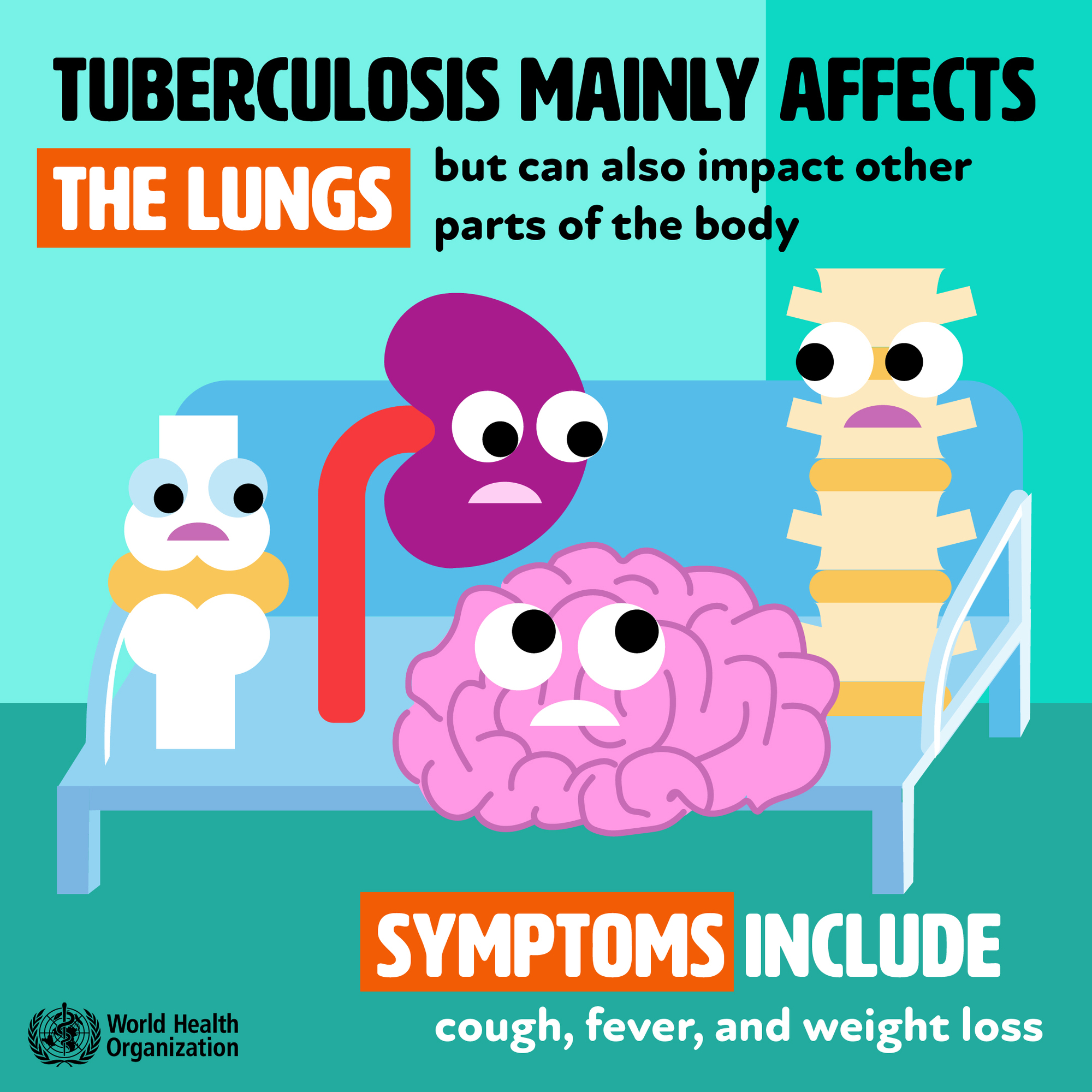
Tuberculosis, or TB, has been traced back in humans as long as 9,000 years ago, although it is thought to have existed over 3 million years ago. Until a cure was developed some 80 years ago, death from TB was a common outcome for people contracting the disease. In some parts of the world today TB is still wrongly considered a killer disease, despite the development of treatments that can kill the disease and save the patient.
Many people believe that here in the UK TB is only of interest to historians – that it isn’t relevant today. But the facts about TB and its prevalence, tell a different story. Not only is TB still an active disease in the UK, but the rates of people known to have TB here are continuing to rise. According to the UK Health Security Agency (UKHSA) diagnosed TB cases rose by 10.7% between the years 2022 and 2023. In the same period TB cases increased internationally by 1.9%.
Although the UK is a low incidence country, with 4,850 people known to have active TB in 2023 compared with over 10 million cases worldwide, TB is rising here at much faster rate than in higher prevalence countries. Why is this happening? The best way to stop the spread of TB is to identify and treat it.
The sooner this happens, the less likely it is that TB will spread to others.
By wrongly believing that TB is an old bygone disease we may be unwittingly adding to it’s spread by missing it when we encounter it and misdiagnosing it.
So what are the typical signs of TB?
It’s far better to be cautious and get tested, than to think that the symptoms are probably something else and allow the disease to spread.
Every health authority in the UK has a dedicated TB Service. In North Central London (NCL) there are teams of specialists in the North Middlesex Hospital, The Royal Free Hospital, and The Whittington Hospital, open on weekdays.
If you see symptoms and are unsure whether these are TB we will be happy to discuss these with you or offer an appointment to come and get tested.
Treatment today is usually a 6 month course of antibiotics.
NCL TB Service have teams dedicated to helping get people on the right medicine, help to take the course of treatment, help with social problems such as housing, household income, legal problems and more.
Getting in touch when you query TB may not only save a life but may also help to improve it. We look forward to hearing from you!
TB Services contact info:
Sue Wilders
NCL TB Service, Outreach Team Lead
Sue has 13 years experience of working in TB Social Care, after a long career working in drug and alcohol services.