Conscious Consumption
Don’t leave devices on standby
-
You can save around £65 a year by completely shutting devices down/pulling the plug on idle technology.
Turning off lights
-
If you go out so should the lights. This could save around £25 a year on your annual energy bills. Replacing the lights in your home with energy-efficient LED bulbs could help save even more.
Wash at cooler temperatures or on 'eco mode'
-
Switching from 40°C to 30°C on a normal cycle could save you £34 a year.
Avoid the tumble dryer
-
Air-drying your clothes inside or outside (in warmer weather) could save you around £70 a year.
Heating Your Home
Give radiators space
-
Move furniture away from radiators and use drying racks instead of hanging clothes over the radiator as this can stifle the heat and reduces heat output.
Check your heating is working most efficiently - watch these helpful videos:


Take part in the Boiler Challenge
Install a room thermostat
-
Monitor your household temperature and consider turning your heating down by just one degree as this could save you up to 8% on your energy bills.
Draught-proof your home
-
Most heat is lost through draughty doors and windows which can easily be prevented by using a heavy curtain/draught excluder and could save you £45 per year.
Reduce the use of vents
-
Whilst kitchen and bathroom vents suck out smells and moisture, they also suck out a lot of hot air so keep their use to a minimum.
Small Steps
Prevent burst pipes
- During a sudden cold snap in winter it's easy for residual water in pipes to freeze and potentially burst (causing massive damage to your home). This can be avoided by running your taps or leaving the heating on at a very low temperature (12°C) so pipes don't get cold enough to freeze.
Spend less time in the shower
-
Keeping your shower time to just four minutes could save around £95 a year on energy bills.
Fill the dishwasher
-
By only using your dishwasher when it is full you could save around £17 a year.
Stick to one heating system
-
Using portable electric heaters in addition to the main heating system increases costs and prevents the main heating system from operating properly.
Use a microwave oven or air fryer to cook food
-
These appliances use less energy than a conventional cooker but if you don’t have one at home stick to ‘one-pot’ cooking.
Cook economically
-
Energy-efficient recipes can be found in the soon-to-be-released Clean Green Eco Cook Book.
- Follow @Clean_GreenEA on Twitter for updates.
Follow Guidance
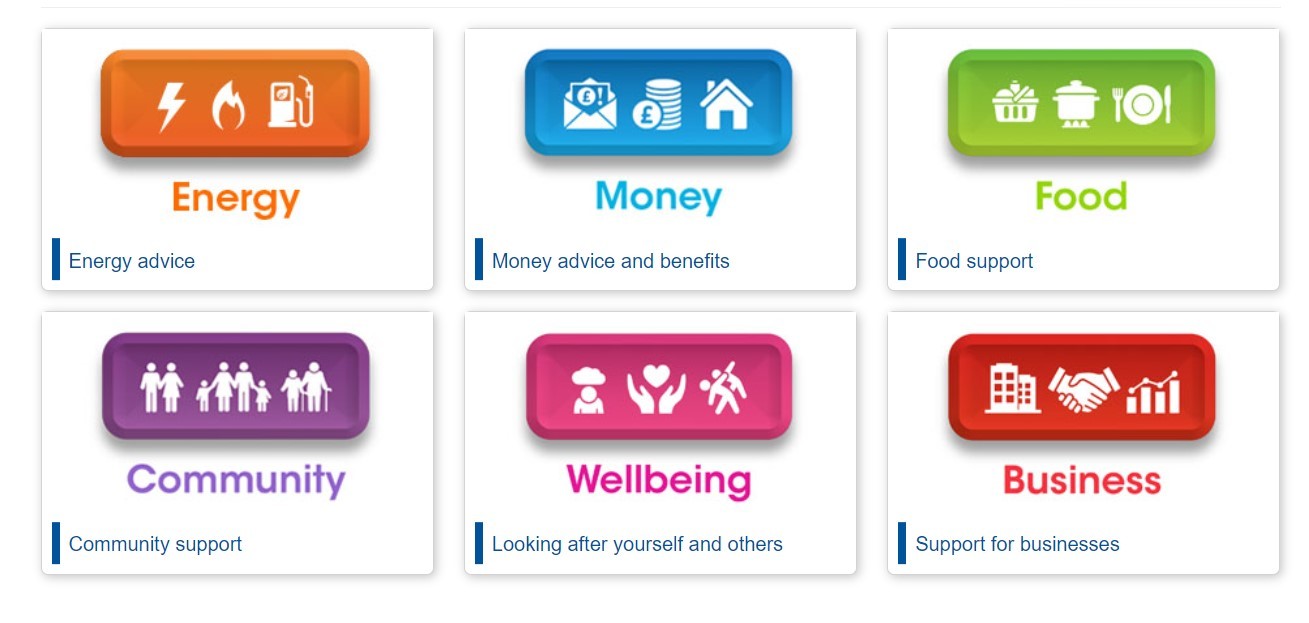
Further information and help can be found on our Cost of Living webpages.