No Air!
Collection of Volatile Organic Compound (VOCs) Water Samples
One of the most frequent sample types that the lab sees collected incorrectly are Volatile Organic Compound (VOC) samples, and unfortunately these samples must be rejected and recollected.
What are VOCs?
Volatile organic compounds (VOCs) are organic chemicals (containing Carbon) that have a high vapor pressure at room temperature. This high vapor pressure results from a low boiling point, which allows their molecules to evaporate from liquid to gas phase, a characteristic known as volatility.
Examples of VOCs are petroleum byproducts, including fuels such as gasoline and diesel; lighter fluid; fuel additives; solvents such as benzene and toluene; cleaning compounds such as dry-cleaning solution, degreasers, refrigerants and adhesives, just to name a few.
Visit https://www.epa.gov/ground-water-and-drinking-water and https://www.usgs.gov/mission-areas/water-resources/science/volatile-organic-compounds-vocs for more information.
Testing for VOCs
The EPA regulates the concentration of certain VOCs in drinking water, and Public Water Supplies are required to test for VOCs per the Safe Drinking Water Act (SWDA). However, the EPA does not regulate private wells; private well owners are responsible for the safety of their water. The MT Environmental Laboratory does this testing for public water supplies, along with offering a VOC screening test for private wells. This testing looks for about 60 different VOCs.
Sample Collection
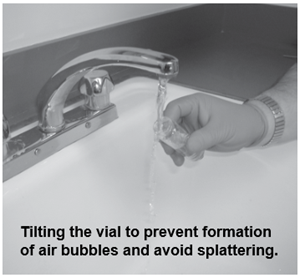
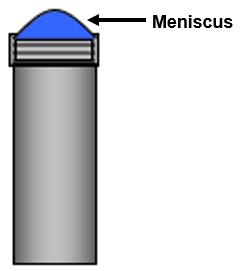
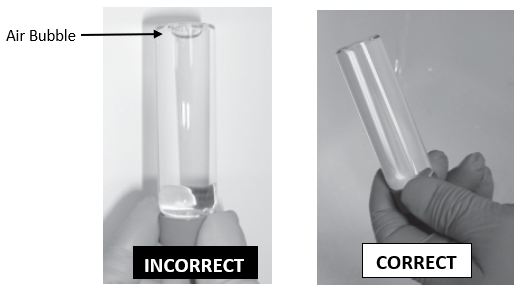
The requirement for collecting these sample is that there be no air bubbles inside the filled and sealed vial. The reason for this is that these chemicals will easily evaporate out of the water sample and into any air within the vial. Therefore, when the water is measured and tested, these compounds may not be detected, giving a false negative result.
Place the samples in a cooler with the Trip Blank(s). The samples must be chilled to 2-6°C immediately and kept at that temperature. Keep samples away from direct light and gasoline or other solvent vapors. Deliver them to the laboratory or ship them by courier or overnight express to the laboratory. Enough ice or freezer packs must be included to keep the samples at ≤ 10°C, but they must be kept from freezing.