SEATTLE BEPS UPDATES
Second BEPS Rulemaking Webinar Tomorrow
OSE is hosting the second of two webinars on May 22 from 11 a.m. to 1 p.m. to solicit feedback from stakeholders to inform its drafting of the BEPS Director’s Rule.
The Rule will clarify details like reporting procedures, documentation, exemption and extension timelines, and more. This webinar will cover compliance with more than one building and terms like aggregate GHGIT and alternate GHGIT. It will also cover alternative compliance payments, the multifamily prescriptive path, penalties, and decarbonization compliance plans. Register for the webinar here.
The first webinar covered different topics, including exemptions, Benchmarking Verification, compliance with one building, and more. Watch the recording to catch up on what you missed.
Or, if you’re just starting to learn about BEPS, watch a brief recorded presentation that covers the basics.
2025 Building Decarbonization Grants — Apply Now!
OSE is taking applications and may award up to about $4 million in grants to help affordable housing providers, nonprofits, and buildings serving frontline communities reduce emissions from their buildings. Applications are due by July 10 and free technical assistance is available to help owners apply. Learn more about the grants on OSE’s Greenspace Blog or jump right to the application details.
Building Emissions Navigator Fall Coaching Cohort Dates Announced
OSE just announced the dates for the next Building Emissions Navigator coaching cohorts (formerly known as the Clean Buildings Accelerator). The coaching cohorts are a free technical support program for owners and managers of buildings larger than 20,000 square feet that help you understand and get ready for BEPS and see how it intersects with the Washington Clean Buildings Performance Standard (WA CBPS).
Multiple cohort options are starting in the fall, including:
- Virtual, nonresidential: 4 monthly workshops, beginning Sept. 10
- Virtual, multifamily: 5 monthly workshops, beginning Sept. 17
- In-person, for all building types (nonresidential and multifamily): 1.5-day, in-person workshop, week of Oct. 27 (exact dates TBD)
To register for a cohort, you must attend an Info Session or watch a recorded version. Reach out to cleanbuildings@seattle.gov if you have questions.
Featured BEPS FAQ
My building uses only electric energy. Do I still need to comply with BEPS?
All buildings greater than 20,000 SF (regardless of fuel use) are still required to annually benchmark and report energy data per the existing energy benchmarking requirements. Under BEPS, Benchmarking Verification will be required every 5 years, starting 2027–2030.
If Benchmarking Verification confirms that a building uses only electric energy, that building will be exempt from needing to submit a GHG Report and meeting the greenhouse gas intensity targets. BEPS Rulemaking will address the details and processes for exemptions and Benchmarking Verification.
Find more answers on our FAQs page.
JOIN THE BEPS TEAM
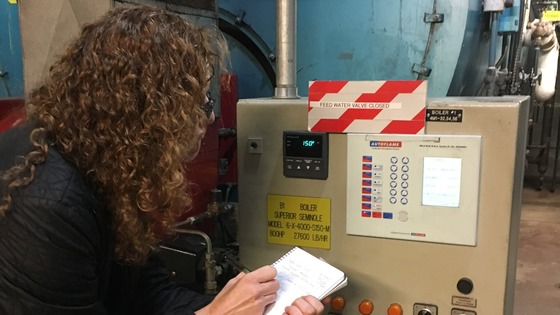
OSE is Hiring a Building Emissions Performance Standard (BEPS) Technical Advisor
Join the BEPS team to advance citywide environmental policies and programs for a sustainable, equitable, and carbon-neutral future. The BEPS Technical Advisor position is pivotal in ensuring the successful implementation of the new BEPS law. We seek individuals who excel in managing complex projects in dynamic political landscapes and can navigate technical aspects of building systems, electrification, and decarbonization. Read the full position description and apply by 4 p.m. on June 3.
BENCHMARKING UPDATES
Users Can Now Input Local GHG Emissions Factors
Building owners and managers may have noticed some new features that appeared in their ENERGY STAR Portfolio Manager interface in March! First and foremost, there is now an Emissions tab where users can track greenhouse gas (GHG) emissions metrics.
Another change is the ability to input custom GHG emissions factors. Until this update, ENERGY STAR Portfolio Manager users had to rely on regional GHG emissions factors for the Northwest Power Plan grid to convert their indirect energy consumption for electricity into scope 2 greenhouse gas emissions. The regional emissions factors are based on a wide area, including all of Washington, Oregon, Idaho, and parts of Montana, causing Portfolio Manager to overestimate the carbon intensity of our local electric sources by a wide margin.
Users now have the option to input market-based (i.e. utility-specific and more localized) GHG emissions factors that better reflect the carbon intensity of Seattle City Light’s low-emissions electricity. Users can now also add the emissions factor for CenTrio district energy. This update allows building owners to more accurately track GHG Intensity, the key performance metric for BEPS, in Portfolio Manager.
Please see OSE’s guidance on using market-based emissions factors for more information.
Featured Benchmarking FAQ
How would annual benchmarking and reporting requirements be impacted if the ENERGY STAR Portfolio Manager platform were to cease operations?
Seattle’s benchmarking law, SMC 22.920.030, states the following: ENERGY STAR Portfolio Manager or a similar rating system… established by Director's Rule [may be used for] energy and emissions benchmarking reports and, where available, energy and emissions performance ratings.
This provision of Seattle’s Benchmarking Law allows the City of Seattle to use another reporting tool should the federal government eliminate the ENERGY STAR program.
Find more answers on our FAQs page.

EVENTS
BEPS Rulemaking Webinar #2
May 22, 11 a.m.–1 p.m., hosted by OSE
OSE’s second BEPS Rulemaking Webinar will solicit feedback from stakeholders and cover multi-building compliance options, alternative compliance pathways, and more. Sign up for the webinar here.
Decarbonization of the District Energy System
May 29, 11 a.m., hosted by the Washington State Department of Commerce
House Bill 1390, which passed the Washington State Legislature in 2024, created Decarbonization of the District Energy System, a new opportunity for Clean Buildings Performance Standard compliance. Commerce’s Clean Buildings team will walk through the unique challenges and opportunities of buildings moving through this compliance pathway. Time will be set aside for Q&A as well. Sign up for the Department of Commerce webinar here.
2025 Energy Week
June 2–6, hosted by Seattle 2030 District
Join Seattle 2030 District for a jam-packed week full of energy education opportunities. Learn about City and State building performance standards, utility incentives, tour the UW Central Plant and more! OSE’s team will present about BEPS technical support on June 4! Learn more about Energy Week on Seattle 2030 District’s website.
The Path to Decarbonization for Commercial HVAC Systems
June 4, 8 a.m., hosted by the Association of Energy Engineers
This presentation will provide an overview of the regulatory and social drivers behind decarbonization and discuss HVAC technology trends, strategies, possible solutions, and considerations for our path to electrified, low-to-zero emissions buildings. Register for the Association of Energy Engineers webinar here.
Coaching Cohort Info Sessions
June 5, 1–2 p.m., hosted by the Seattle Building Emissions Navigator
Attend an info session to learn more about the Building Emissions Navigator trainings. Can’t join the virtual session? Watch the recording.
Passive-First Design — Core Concepts and Benefits for Every Building
June 12, 10–11 a.m., hosted by the Lighting Design Lab
Passive-first design is an effective approach that optimizes building enclosures to provide comfort, health, and resilience for occupants and owners. All building types — new, existing, commercial, and residential buildings (including multi-unit and single-family homes) — can be constructed or renovated to a standard that is grid-friendly during moments of peak grid demand and ensures energy savings. Discover how properly balancing the core concepts creates draft-free, wildfire smoke-tight homes and buildings with healthy air ventilation, calming acoustics, and protection against extreme heat events. Register for the Lighting Design Lab webinar here.
Qualified Energy Manager Training
June (multiple days), hosted by the Smart Buildings Center in collaboration with the Washington State Department of Commerce
The Qualified Energy Management (QEM) course is designed to equip building professionals with the knowledge and skills necessary to comply with the Tier 2 requirements of the Washington State’s Clean Buildings Performance Standard (CBPS). There are multiple options to attend either virtually or in person this June. This comprehensive training is ideal for building operators, energy managers, and facility staff. More information and registration details can be found here.
Energy Benchmarking: EnergyBenchmarking@seattle.gov | 206-727-8484
Building Tune-Ups: BuildingTuneUps@seattle.gov | 206-727-8863
Building Emissions Performance Standard: CleanBuildings@seattle.gov
Did someone forward this newsletter to you? If you want to receive all issues, sign up for your own subscription here.
|