Many people know Community Development as the department responsible for permits, inspections, and development review. While those services remain an important part of our work, they represent only one piece of what we do.
Community Development also works alongside residents, businesses, community partners, and other County departments to address local challenges, provide valuable resources, and help plan for Kitsap County's future. From expanding childcare opportunities and supporting housing options to protecting natural resources and improving public safety, our work extends well beyond the permitting counter.
In this issue:
 |

The Department of Community Development (DCD) is often associated with permits, plans, and regulations. Equally important however, is DCD's role in evaluating how County policies and regulations affect housing, businesses, and community services. By reviewing existing requirements and identifying opportunities for improvement, DCD helps ensure County regulations support community needs while continuing to protect public health, safety, and welfare.
One recent example focuses on a challenge facing many Kitsap families: access to childcare. Over the past year, Community Development has worked with partners across the County to identify ways to support childcare expansion and improve access for families. As part of the Year of the Rural project, the County updated regulations to allow childcare facilities as permitted use in rural areas, helping create more opportunities for providers to serve rural communities.
The work didn’t stop there.
Community Development collaborated with Public Works to examine the impact of transportation impact fees on childcare projects. For many providers, these fees can represent a significant development cost and may create challenges for opening new facilities or expanding existing ones.
On June 24, 2026, the Board of County Commissioners supported moving forward with an 80% reduction in transportation impact fees and directed staff to continue evaluating the feasibility of a 100% exemption.
These actions reflect the County's ongoing commitment to identifying practical ways to support childcare expansion while maintaining compliance with state law. By examining existing regulations and identifying opportunities for change, Community Development helped advance practical solutions that support families, employers, and the local workforce.
While childcare remains a complex challenge, these actions demonstrate how thoughtful planning, policy evaluation, and collaboration can help advance broader community goals. It is one example of how Community Development works to build strong, resilient communities—not only through permits and regulations, but through thoughtful planning, collaboration, and problem-solving.

Kitsap's Preapproved ADU Program has been recognized with a prestigious Vision 2050 Award from the Puget Sound Regional Council (PSRC). The award highlights innovative local efforts that advance regional goals around housing, sustainability, and community planning.
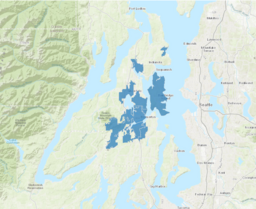
The preapproved accessory dwelling unit plans were created to streamline the permitting process, reduce or eliminate design costs, and support more diverse and attainable housing options. For projects in Urban Growth Areas (UGAs), the professionally designed, code‑compliant plans are available at no cost, and because they’re already approved by the Building Division, they move through the application process more quickly. The same plans are available for projects outside the UGAs at a reduced cost. Please note that permitting fees still apply for all projects.
Whether residents are creating housing for aging parents, adult children, caregivers, or rental income, the program expands housing choices while helping communities grow in a thoughtful, flexible way.
|
PSRC’s Vision 2050 Awards honor projects that support long‑term strategies for growth and livability across the region. Kitsap’s initiative stood out for its practical impact and its focus on expanding housing choices throughout the county.
If you haven’t explored the Preapproved ADU Program recently, now is a great time to take another look and see how these plans can help bring your project within reach.
Read the full announcement from PSRC.

Understanding who is responsible for what during a development project can help reduce confusion, avoid delays, and keep projects moving forward. While Community Development reviews projects for safety and code compliance, applicants are responsible for managing and completing their projects. Knowing the difference helps everyone work together more effectively.
Think of it as a partnership. Both sides have a role in helping projects move forward safely and successfully.
Community Development’s Responsibilities
As the permit-granting authority, DCD is responsible for:
- Reviewing applications for compliance with County codes, regulations, and adopted standards.
- Identifying permit conditions that must be met before construction, occupancy, or project completion.
- Conducting inspections to verify approved work meets applicable requirements.
- Issuing permits, approvals, and certificates when all requirements have been satisfied.
- Providing information and assistance to help applicants understand the permitting process.
Our role is to evaluate what has been submitted, ensure public health and safety requirements are met, and apply regulations consistently and fairly.
The Applicant’s Responsibilities
Applicants, property owners, developers, contractors, and their consultants are responsible for:
- Understanding the requirements associated with their project and permits.
- Reviewing permit conditions and completing them within the required timelines.
- Building according to the plans and documents that were approved.
- Obtaining any required approvals from outside agencies.
- Requesting inspections at the appropriate stages of construction.
- Informing the County if project plans change after approval.
- Applying for permit extensions when additional time is needed.
- Ensuring contractors, consultants, and project teams are aware of permit requirements.
Why Projects Sometimes Experience Delays
We have approximately 3,400+ annual permits, and most projects move through the process smoothly. However, delays can occur when:
- Required conditions have not been completed.
- Construction differs from approved plans.
- Additional information is needed.
- Changes are made to the project after approval.
- Inspections reveal work that must be corrected.
- Permit deadlines or expiration dates are reached.
When these situations occur, DCD works with applicants to identify what is needed to move forward. However, permits cannot advance to the next stage until applicable requirements have been met.
Working Together for Successful Projects
Everyone shares the same goal: safe, successful projects that serve our community.
DCD’s responsibility is to review projects fairly, consistently, and in accordance with regulations. The applicant’s responsibility is to manage the project, meet permit requirements, and keep the County informed throughout the process.
When both sides fulfill their responsibilities, projects are better positioned to stay on schedule and move efficiently from application to completion.
We’re kicking off a new project to understand what’s happening across rural areas of unincorporated Kitsap County, and we’d love for you to join us. Come to our public open house on the evening of July 8th in the Commissioners’ Chambers at the Kitsap County Administration Building in Port Orchard.
What’s this project about? The Rural Land Analysis project takes a broad look at how rural land is used today and what’s changing over time. This helps us create a clearer picture of our rural communities, where needs are emerging, and how we can support rural character and natural systems moving forward.
A portion of this work also looks at local salmon recovery efforts and how those goals align with long range planning. It’s all about ensuring our land-use choices support healthy ecosystems and resilient communities.
Ever wonder how we gather the information that helps shape future decisions? This open house is a great chance to see how we start that process. You’ll get an overview of the types of information we look at—such as land use patterns, rural housing trends, community services, and environmental considerations. It’s a simple, friendly way to begin building the foundation for future planning discussions.
What we’ll be looking at
- How rural lands are used today
- Housing patterns and trends
- Local rural serving businesses and economies
- Roads, services, and community infrastructure
- Salmon recovery plans and how they intersect with planning
- Opportunities and challenges in rural areas
You’re invited The information gathered through this effort will help inform future planning discussions, but those conversations are strongest when they include local knowledge. Whether you’ve lived in rural Kitsap your entire life or recently moved to the area, your perspectivwe can help us better understand the opportunities and challenges facing rural communities.
Project page: https://kcowa.us/RLA

Get ready to explore Long Lake in a whole new way this July with our Read, Roam, Rules walking experience! This session, we’re diving into a timely topic: how development around lakes affects water quality and overall lake health. With summer lake closures already popping up, there’s no better moment to learn how our local lakes are being impacted.
During our walk at Long Lake on Monday evening, July 20th, you’ll hear from several Kitsap County programs and community partners, including Community Development Planning, Noxious Weeds, Public Works Stormwater, and the Kitsap Public Health District. We’ll also have a live demonstration of water quality testing right at the lake. This is a hands-on, informative, and very local experience you won’t want to miss. Registration is required.
Then, keep the conversation going at our Read, Roam, Rules book workshop on Monday evening, July 27th at the Port Orchard Library. We’re continuing to partner with the Kitsap Regional Library to provide free books for the community—available now at the Port Orchard Library and in the lobby at Kitsap County Community Development, while supplies last. The book is The Death and Life of the Great Lakes by Dan Egan. We encourage participants to register for the workshop as well.
To learn more about Read, Roam, Rules activities, and to register, visit: https://kcowa.us/communityplanning.
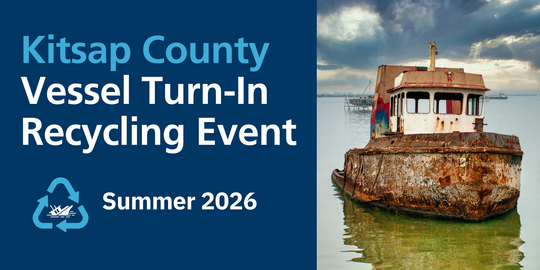
DNR’s Vessel Turn-In Program (VTIP) helps boat owners safely dispose of unwanted vessels free of charge before they become abandoned or derelict. The program is designed for vessels that do not yet meet the definition of "abandoned" or "derelict" but are likely to reach that condition in the near future. By removing these vessels proactively, VTIP helps protect water quality, reduce environmental impacts, and improve public safety.
If you are interested in turning in your vessel, please review the eligibility criteria and application requirements before applying. Once received, applications are evaluated and prioritized alongside others submitted to the program.
Kitsap County staff remain available to assist vessel owners with the DNR application process. For assistance, please email DEtchings@kitsap.gov.
Don’t Forget to Register Your Boat!
Boaters, be sure to register those vessels! Maintaining a current vessel registration improves safety and accountability on the water for all and helps law enforcement contact you if something happens to your boat, such as it going adrift.
On June 11th, 2026, an update to RCW 79.100 went in effect which updated the definition of a “derelict vessel” to include vessels that have not met registration requirements for two or more consecutive years. Derelict vessels can be posted for custody by an authorized public entity, such as local law enforcement and ports. Vessels can be registered at any WA State Department of Licensing office.
Property owners with one or more qualifying Priority Species may be eligible for up to $2,500 per year in direct weed control services performed by a local contractor under agreement with Kitsap County. We also offer a Hardship Funding option for residents who qualify for the Senior & Disabled Property Tax Exemption Program. Hardship applicants may be eligible for assistance with an expanded list of noxious weed species.
Program funding is limited to $50,000 annually, and applications are reviewed on a first-come, first-served basis.
Approved participants will enter into a two-year Stewardship Agreement that includes:
-
Following a provided weed management plan
-
Providing periodic progress updates
-
Allowing site visits and follow-up treatments by county staff or contractors
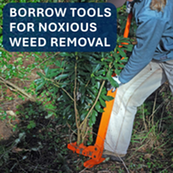
Don't let invasive weeds spread. Free disposal of noxious weeds is available now through October, or until program has reached budget, at participating facilities throughout Kitsap County. View our disposal flyer for instructions and disposal guidelines, then pull your weeds and bring them to a participating location near you.
Participating facilities:
-
Olympic View Transfer Station
-
Hansville Recycling and Garbage Facility
-
Olalla Recycling and Garbage Facility
-
Silverdale Recycling and Garbage Facility
|
 |
|
As our summer weather gets drier, the Kitsap County Fire Marshal, together with the Kitsap County Fire Chiefs Association, have implemented a Stage One outdoor burn ban effective 8 a.m. Monday, June 22.
All burn permits are on hold, and outdoor burning isn’t allowed—except for small cooking or recreational fires. We’re coordinating this with Mason, Pierce, and King counties, and the ban will likely stay in effect until our fall rains return and wildfire risk decreases.
What Phase 1 Means
Phase 1 is our basic summer fire safety burn ban. Here’s what’s still allowed:
• Small recreational campfires or cooking fires up to 3 feet in diameter.
• Charcoal, firewood, or contained propane units.
• Fires must be at least 25 feet from structures or anything that can burn.
• Keep water or a shovel nearby at all times.
• Stay with your fire until it’s completely out.
• Soak it thoroughly—fires must be cool to the touch before you walk away.
|
|

As we get ready to celebrate the Fourth of July — and look ahead to the nation’s 250th milestone — we’re encouraging everyone to enjoy the holiday safely. This year, we’re once again reminding folks to “Watch, don’t launch!” There are several great professional fireworks shows around the area, or you might even use the holiday to start a new family tradition that doesn’t involve fireworks at all.
If you do choose to set off fireworks, please be a considerate neighbor and make safety your top priority. We’ve put together answers to the most common questions about fireworks in unincorporated Kitsap County on our fireworks page: https://kcowa.us/fireworks
There, you’ll find information on:
- Where to watch public fireworks displays
- When and where consumer fireworks can be used
- What types of fireworks are legal
- Licensed fireworks vendors in the county
- How to safely dispose of used fireworks
Whatever your plans may be, we hope you enjoy a safe and considerate celebration this Fourth of July.

|
Subscribe to Community Development topics that interest you to stay informed.
|
Kitsap County Department of Community Development
614 Division Street - MS36
Port Orchard, WA 98366
Media Contact: Alicia Adler
DEPARTMENT OF COMMUNITY DEVELOPMENT
The mission of the Department of Community Development is to foster the development of quality, affordable, structurally safe and environmentally sound communities.
|