|
In every classroom, on every playground, and over every shared meal, there are opportunities for healing. This immersive session invites early childhood educators and professionals to reconnect with their own wisdom, intuition, and power as everyday healers in the lives of young children.
Facilitated by educator and author Mike Browne, MBA, this webinar is more than professional development—it’s a restorative experience for the heart of our field. Together, we’ll explore how healing-centered practices can live in the routines and relationships that define early childhood care and education. Through story, breath, and reflection, participants will consider how trauma shows up in our classrooms and communities—and how safety, connection, and regulation can be offered in even the smallest interactions.
Whether you’re a teacher, cook, driver, family advocate, or administrator, your presence matters. Healing doesn’t happen in isolation—it happens in relationship. Together, we’ll remember that care is collective, and that every role in early childhood education is a healing role.
Intentions (Learning Objectives):
This session is not just about understanding trauma—it’s about:
- Restoring ourselves so we can hold space for children and families
- Honoring lived experience as wisdom
- Deepening connection, safety, and care across all roles
- Creating environments where everyone feels seen and valued
- Moving toward healing in community—through story, rhythm, reflection, and breath
April 23| 11 a.m. - 12:30 p.m.
Register Here
Babies are enriched by the love, care, wisdom, and rituals of their caregivers, culture, and communities. Even though our world continues to experience seasons of acute hardship, we choose to center the power of our communities who have always raised babies with an abundance of courage. They invite you to share your own abundance -- and how you connect it with Infant and Early Childhood Mental Health -- as they center our 2026 BSK IECMH Summit theme "Abundance in Community".
The Infant and Early Childhood Mental Health (IECMH) Strategy invites all King County Providers to enhance knowledge in community and solidarity. Centering the baby in all sessions and grounding our work in equity and social justice, they will promote social emotional development of our P-5 children.
They center the power of our communities that have always raised babies with an abundance of courage and invite you to share your abundance.
May 15 - 16 | 9 a.m. - 4 p.m.
Register Here
Please take a look at the amazing options and get to know the Summit facilitators here.
|
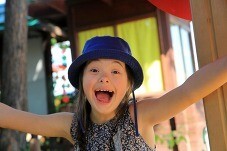
A Place for Me is a welcoming, inclusive space for individuals with Down syndrome and their families to connect, build relationships, and participate in meaningful activities in a safe and supportive environment.
A welcoming space in Tacoma where families can come together each week to connect, build friendships, and enjoy activities—completely free (registration required).
Learn more & register: https://charity.pledgeit.org/aplaceforme
|
|
 |
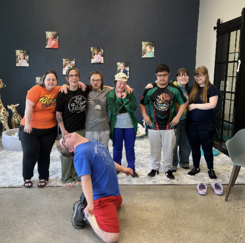
A new opportunity is growing in Pierce County — The Opportunity Circle, sponsored by 321 Buddy.
The Opportunity Circle is a supportive, inclusive space where individuals with special needs can build confidence, develop life skills, explore employment pathways, and connect with others in a meaningful way.
A welcoming space where individuals and families can come together to learn, grow, and build connections through hands-on experiences and supportive programming.
Learn more & explore upcoming sessions: https://theopportunitycircle.org/
|
“One of the things that makes you feel good is to get out into nature—go walking, go hiking, go swimming in the ocean, or wherever you live, in a river or a lake, experience the beauty of America, experience how America is such a sacred place. Everywhere you go in this land, our people have been there and they have said, “This place is sacred.” ― Charles Alexander Eastman, Living in Two Worlds: The American Indian Experience
This month’s term is: Walking in Two Worlds
What does it mean to raise children in two worlds — balancing tradition, culture, and modern life? In this powerful feature, Indigenous parents and facilitators from the Parenting in Two Worlds program share how reconnecting with their roots helps build stronger families and heal generational wounds. 🌿 Hear from Michon Gorman (Diné/Navajo) and Lolen Lova (American Samoa) as they reflect on identity, cultural values, and the deep foundation needed to nurture the next generation. ✨ From learning traditional stories to integrating Indigenous language and ceremony into daily life, this program — offered through the Phoenix Indian Center — is creating lasting change in Native communities.
Parenting in Two Worlds: Reconnecting Culture, Family & Identity
Contact Vanessa Allen, DCYF ESIT Family Engagement Coordinator, at vanessa.allen@dcyf.wa.gov.
|