|
$134 Million to Accelerate Domestic Rare Earth Elements
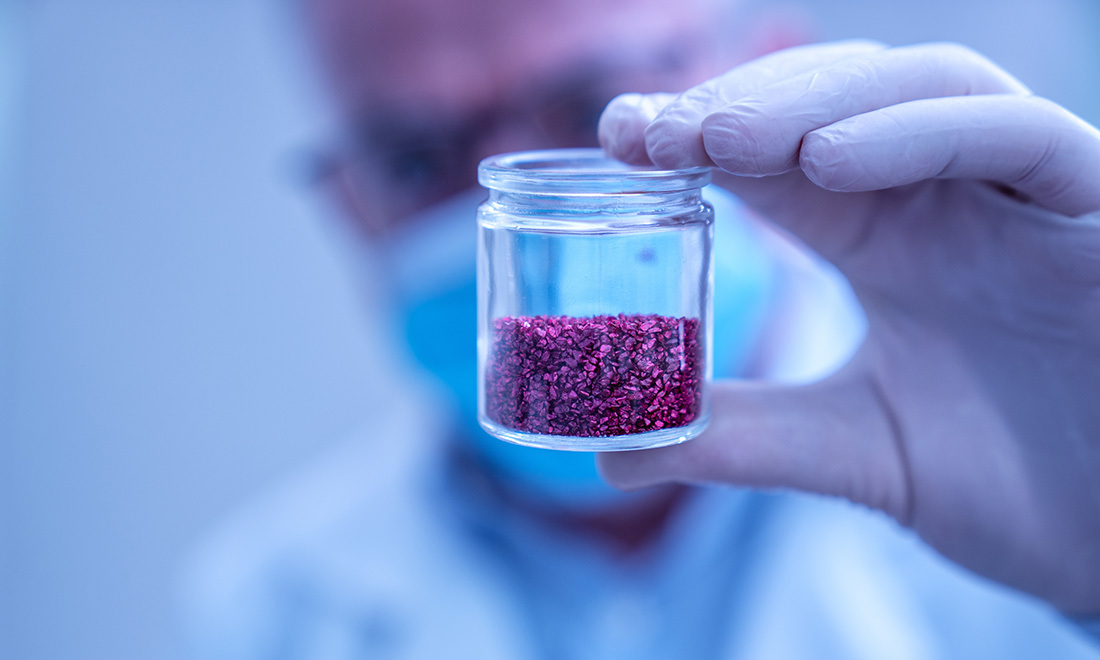
The Office of Critical Minerals and Energy Innovation’s (CMEI’s) Manufacturing Deployment Office announced funding through its Rare Earth Elements Demonstration Facility Program. Up to $134 million will go to two U.S. facilities that will extract, separate, and refine rare earth elements. The U.S. has long relied on other nations for rare earth elements, which serve as vital components in advanced manufacturing, defense systems, and high-performance magnets used in power generation and electric motors. The move intends to strengthen the domestic supply chain, create jobs, spur innovation, improve national security, and ensure a more resilient economy.

|
|
Swimming Nanorobots Harvest Lithium
The U.S. Department of Energy (DOE) recently awarded 19 projects $45.7 million for the development of critical minerals technologies featuring groundbreaking innovation. As featured in Forbes magazine, a Texas A&M University project received a $1 million award for its plan to use nanorobots that swim like fish to harvest lithium ions from seawater. Lithium demand has been surging for use in advanced batteries and energy storage. This method could provide a reliable and constant domestic supply chain source, lowering U.S. reliance on foreign countries for critical minerals.
|
|
 $15 Million To Find and Extract Critical Minerals
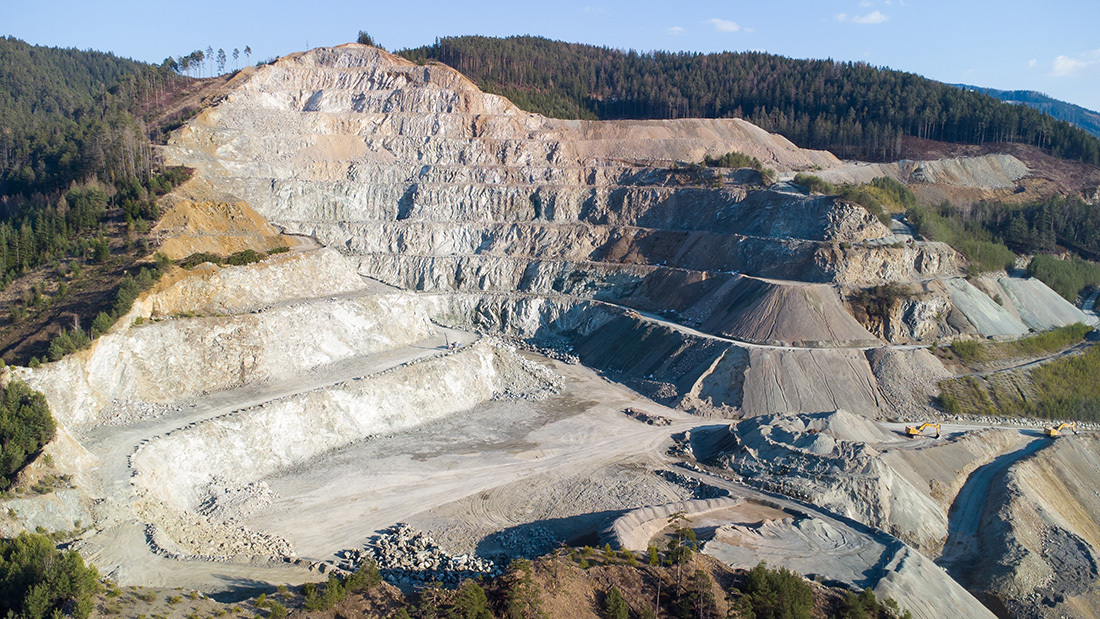
DOE announced the selection of two projects to receive $15 million to speed the development of critical minerals and materials supply chains. The projects focus on novel, carbon-based products from unconventional and secondary feedstocks. The University of Nevada, Reno will assess critical minerals resources within sedimentary formations and active mine waste. And Georgia Tech Research Corporation will examine sedimentary minerals, such as kaolin, bauxite, heavy minerals, and phosphate, as well as residues from mining and coal combustion.
|
|
Training Program Addresses Hydrogen Safety
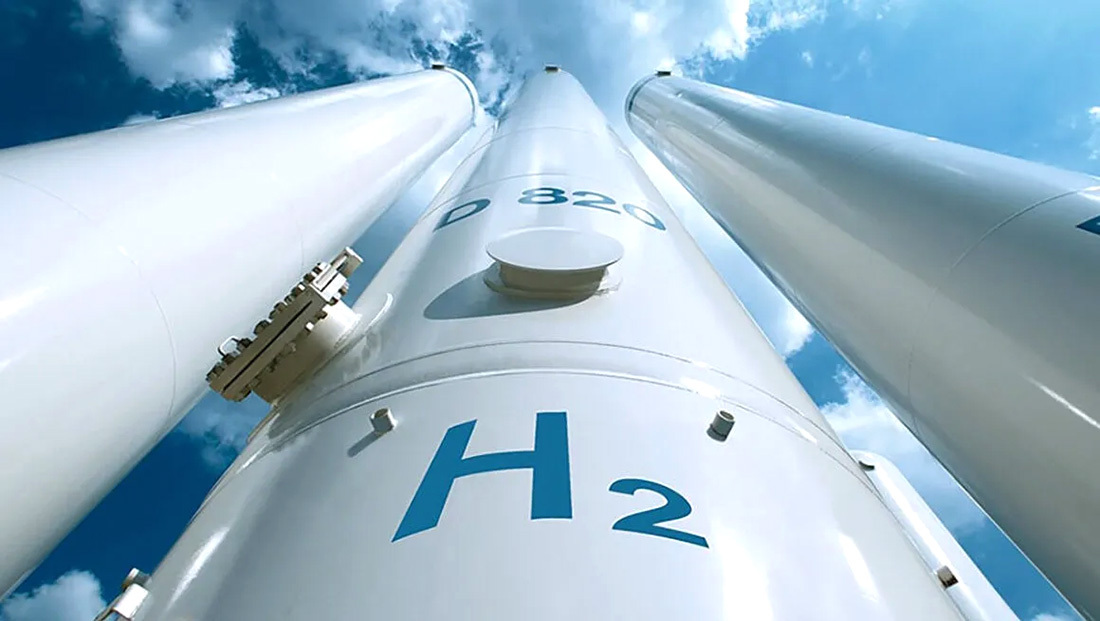
Pacific Northwest National Laboratory is leading a coalition of 15 partners to develop the H2Skills initiative, a workforce development program aimed at providing safety training for the workforce needed to support the rapidly expanding hydrogen economy. With funding provided by CMEI’s Alternative Fuels and Feedstocks Office, H2Skills uses interactive modules and virtual reality to train technicians in the safe handling of hydrogen.
|
|
Follow the Office of Critical Minerals and Energy Innovation on
LinkedIn, Facebook, and X. |
|
|
|