|
More than $440 million in federal assistance and low-interest loans have gone out to Hurricane Helene survivors throughout South Carolina.
Seven months after the devastating storm, families and individuals received money for basic repairs to their homes, rental assistance, sheltering in hotels, funds for replacement of essential personal property, money for serious needs, disaster case management and other assistance.
This assistance has been provided to more than 250,000 households throughout South Carolina and the Catawba Indian Nation.
Here are some ways that FEMA and other federal agencies are working with the state of South Carolina and local communities to provide support:
- FEMA approved more than $300 million in grants to survivors to help with housing repair or replacement, rental assistance, personal property loss and other needs. Of that, more than 3,200 families received rental assistance, which provided funds for them to rent a new home. This program allows families to receive additional funds for up to 18 months.
- The U.S. Small Business Administration approved more than 2,500 in low-interest disaster loans for businesses and homeowners for more than $135 million.
- FEMA paid out more than $8.98 million in flood insurance claims to more than 365 policyholders.
- Additionally, FEMA paid for emergency hotel/motel stays for more than 12,400 families.
- The U.S. Army Corps of Engineers is working with the state and communities to monitor debris removal. To date, 8.9 million cubic yards of debris have been removed from public rights of way.

In collaboration with Argonne National Laboratory, FEMA and several emergency management associations are conducting the Emergency Management Organizational Structures, Staffing and Capacity Study. This study will provide a better understanding of current state, local, tribal and territorial emergency management structures, staffing and capacity.
As part of the study, emergency managers from all federally recognized tribes are invited to complete a survey open through June 1, which should take no more than 20 minutes to complete. All information will be collected, and individual responses will be kept confidential.
Survey topics include the following:
- Emergency management organizational structure.
- Staffing and staff activities.
- Cross-governmental roles and responsibilities.
- Requirements.
- Funding and technological resources.
- Organizational challenges.
- The emergency manager position.
The results of the study can support and inform the examination of FEMA roles and functions to support state, local, territorial and tribal partners.
The tribal survey was sent to tribal leaders on January 29. If you have not received the survey, please fill out the Tribal Emergency Management Capacity Study Contact Information Form and someone from the research team will contact you shortly after.
|

The Presidential Proclamation for National Hurricane Preparedness Week emphasizes the importance of raising awareness about the dangers of hurricanes and encouraging individuals to prepare.
May 4-10 is Hurricane Preparedness Week, a yearly reminder that your family’s preparedness is in your hands.
Last year’s hurricane season proves that hurricanes are not just a coastal problem. You may experience high winds, extreme rain and flooding hundreds of miles inland. No matter how strong the storm is at landfall, it can bring serious hazards. Hurricane season starts May 15 for the Eastern Pacific, and the Atlantic and Central Pacific season begins June 1.
Read the blog for simple steps you can take each day this week to get ready at FEMA.gov.
|
.
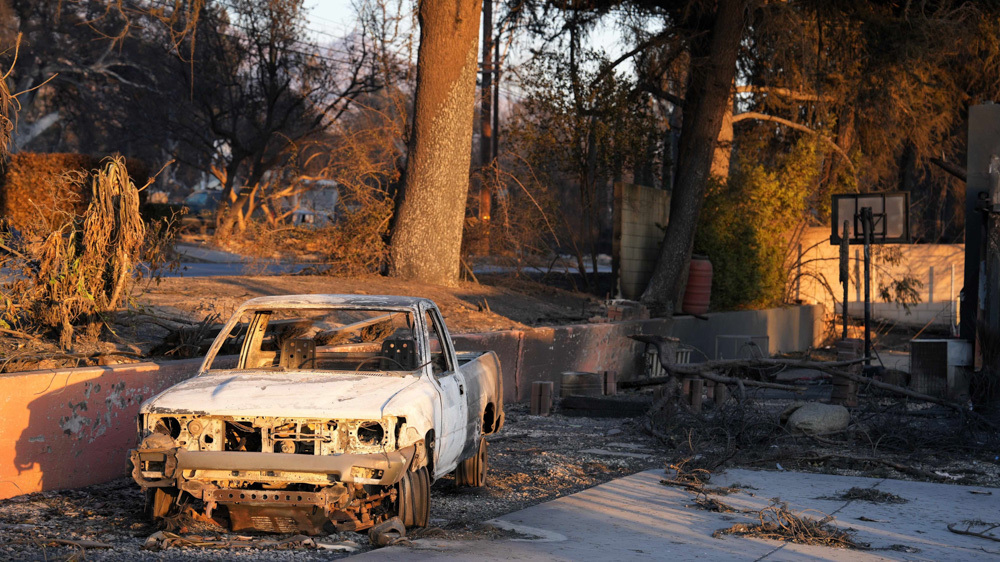 The Eaton wildfire left communities devastated as it tore through Southern California.
Wildfires can affect communities and ecosystems across the nation. Earlier this year, the Los Angeles wildfires left communities devastated. The widespread impact of these wildfires highlights the urgent need for awareness and preparedness within our communities.
May is Wildfire Awareness Month and serves as a reminder that preparedness is crucial. As the hotter, drier months approach, the risk of wildfires increases.
Read the blog for tips to help protect yourself and those you care about. Visit FEMA.gov to learn more.
Deadline to Apply for FEMA Assistance Extended to May 25 for Kentucky Homeowners and Renters Affected by February Storms
Kentucky homeowners and renters who suffered uninsured or underinsured damage to their property from the February severe storms, flooding and straight-line winds now have a few additional weeks to apply for disaster assistance. FEMA has extended the application deadline to Sunday, May 25.
FEMA assistance for individuals affected by the severe weather can cover rental assistance, temporary housing, home repairs, personal property losses and other disaster-related needs not covered by insurance. Money from FEMA does not have to be repaid. FEMA assistance is nontaxable and will not affect eligibility for Social Security, Medicaid or other federal benefits.
Survivors are encouraged to file insurance claims for damage to their homes, personal property and vehicles before they apply for FEMA assistance. FEMA Individual Assistance cannot duplicate insurance benefits or other sources of assistance.
There are four ways to apply for FEMA assistance:
- Go online to DisasterAssistance.gov.
- Call the FEMA Helpline at 800-621-3362. If you use a relay service, such as Video Relay Services (VRS), captioned telephone or other services, give FEMA your number for that service.
- Download the FEMA App.
- Visit a Disaster Recovery Center. To find a Disaster Recovery Center, visit fema.gov/DRC or text DRC along with your ZIP Code to 43362 (Example: “DRC 29169”).
To view an accessible video on how to apply for assistance, visit Three Ways to Apply for FEMA Disaster Assistance - YouTube.
Disaster Recovery Centers are physically accessible to people with disabilities and others with access and functional needs. They are equipped with assistive technology and other resources to ensure all applicants can access resources.
For more information, visit fema.gov/disaster/4860.
....................................................................................................................................................
|


