Organic Insider: Oversight and Enforcement Update
Protecting the Organic Promise
The National Organic Program (NOP) has strengthened its ability to protect the USDA Organic label by taking a practical and coordinated approach to enforcement and oversight. NOP works closely with U.S. Customs and Border Protection (CBP), state partners and organic certifiers to identify risks before fraudulent products reach the U.S. market. NOP also uses Import Certificate data and targeted sampling to identify products with a high risk of fraud at ports of entry. Together, these improvements reinforce NOP’s commitment to organic integrity and a fair marketplace for organic farmers, businesses and consumers.
Stopping Fraud at the Border: How NOP Intercepts Risky Shipments
Photo: NOP staff sampling grain at the Port of Baltimore.
NOP uses a broad suite of enforcement tools to identify and block noncompliant or fraudulent products at U.S. ports of entry. Actions NOP and partners take to prevent fraudulent products from entering organic commerce include:
- CBP seizures and denials of entry for products misusing or counterfeiting the trademarked USDA Organic seal.
- Sampling and testing of high-risk imports to detect prohibited substances.
- Identifying incomplete or fraudulent documentation and referring the shipment for investigation.
- Reviewing NOP Import Certificate (NOP-IC) data to proactively flag suspicious shipments and initiate investigations and surveillance.
- Issuing adverse actions and strengthening oversight requirements when certifiers fail to detect or prevent fraud.
On the Front Lines: Enforcement at the Port
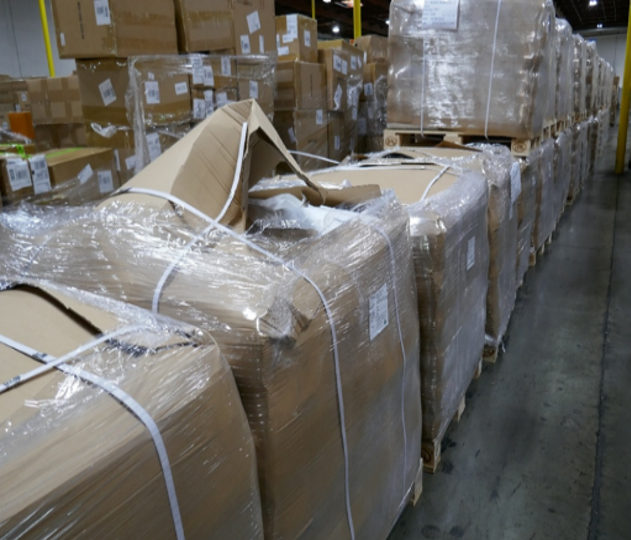
Photo: Fraudulent organic pea protein denied entry at the Port of Long Beach.
One example of coordinated enforcement occurred at the Port of Long Beach, where NOP and CBP carried out targeted sampling of organic‑labeled pea protein for human consumption, a product flagged as high‑risk due to concerns about fraud in global supply chains.
Testing and document reviews quickly revealed major violations. One shipment displayed the USDA Organic seal but lacked a certified NOP importer and a valid NOP‑IC, meaning it could not be legally sold as organic in the United States. A second shipment tested positive for a prohibited substance, making it ineligible for organic sale as well.
NOP authorized CBP to detain and deny entry of both shipments, ultimately blocking more than 21 tons of fraudulent pea protein from entering the organic marketplace. NOP then oversaw enforcement actions that included suspending the exporter’s organic certification, ensuring the business could no longer handle or market products as organic. As a result, certifiers increased oversight of the associated supply chain, requiring enhanced sampling, improved supplier verification and additional monitoring of implicated handlers.
This case underscores the value of close collaboration between NOP and CBP at U.S. ports of entry and demonstrates how rapid testing, document verification and strong enforcement tools can prevent fraudulent imports from undermining organic markets and consumer trust.
Complaints in Focus: Emerging Themes
Every day, farmers, businesses and consumers reach out to NOP with questions or concerns about potential violations of the organic rules. In 2025, the program received 755 such complaints. NOP identified trends and emerging issues and directed enforcement resources where they matter most. Examples of the types of complaints received include:
- A certified farm or business did not correct a noncompliance, or there is evidence that it committed organic fraud, such as selling more product as organic than it can produce.
- Uncertified farms or businesses made organic claims on a website or through social media.
- Uncertified farms or businesses labeled product as organic.
- Uncertified farms or businesses sold product on third-party web retailer websites.
When there is evidence of a violation of the organic regulations, NOP’s first goal is to bring the farm or business back into compliance or to remove it from the organic market as quickly as possible through suspension or revocation, or a negotiated surrender. Other outcomes may include warning notices, levying civil penalties, posting fraudulent organic certificates to the NOP Organic Enforcement Activity webpage for market awareness, referring complaints to other federal or state agencies to leverage their authorities and referring cases to other law enforcement agencies for further civil or criminal investigation and action.
Organic Enforcement Activity Webpage
The Organic Enforcement Activity webpage contains links to lists of:
- Operations that have settlement agreements with the NOP concerning violations of the organic regulations.
- Operations that have been the subject of AMS Administrator’s Decisions, Administrative Law Judge decisions, or Judicial Officer decisions due to violations of the organic regulations.
- Fraudulent organic certificates that bad actors have used to falsely represent products as certified USDA organic.
NOP updates these pages as we take action, and you can check back regularly to see if any new operations have been added.
Role of the Organic Sector
NOP’s proactive oversight strengthens organic integrity across the entire supply chain, from production and processing to port entry and retail sale. However, sector engagement and vigilance are vital in protecting consumer trust. For example, importers in the U.S. must be certified and play a critical role in protecting the integrity of supply chains. Fraud Prevention Plans, required under the USDA organic regulations, are not just documents – they are a commitment to protect the marketplace from bad actors. The organic public-private partnership includes joint protection of the organic brand.
Looking Ahead: Stronger Oversight, Stronger Trust
By improving how we analyze complaint data and cultivating strong relationships with partners throughout the sector, NOP has built a coordinated enforcement network that can quickly identify and stop fraud. NOP’s efforts bolster consumer confidence, protect legitimate organic farmers and businesses and reinforce trust in the USDA organic seal, furthering NOP’s vision of Organic Integrity from Farm to Table, Consumers Trust the Organic Label.
|