The UK continues to experience an increasingly hostile cyber threat landscape, with healthcare organisations frequently targeted. Strengthening cyber resilience remains essential to protect critical services, maintain public trust, and ensure continuity of care. The National Cyber Security Centre (NCSC) provides several practical tools to help organisations take immediate steps to improve their cyber security.
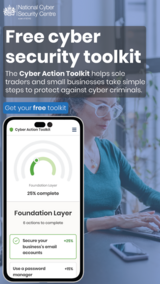
The Cyber Action Toolkit offers straightforward, prioritised guidance to help organisations – including those with limited resources – build strong foundational cyber hygiene. It outlines clear, step by step actions to reduce the risk of common threats such as phishing, email compromise and ransomware, and supports progress towards meeting the Cyber Essentials technical controls.
Cyber Essentials sets the UK Government backed minimum standard for defending against the most common cyber attacks. Certification demonstrates that essential controls are in place to protect sensitive information and maintain operational resilience. It also helps strengthen trust across supply chains and signals a commitment to safeguarding data and services.
The Early Warning Service provides organisations with alerts about potential cyber attacks by highlighting malicious activity detected across trusted intelligence sources. This early visibility enables organisations to investigate and mitigate issues before they escalate, supporting a more effective and timely response.
Together, these NCSC tools offer accessible, high impact support to strengthen cyber resilience across the healthcare sector.
|
 Services are expected to operate in line with the Delegating Healthcare Activities Guiding Principles (Department of Health and Social Care and Skills for Care, 2024).
There have been several instances where no identified delegating healthcare professional is in place for delegated healthcare activities being carried out by staff working in services registered for personal care rather than in services registered to deliver treatment of disease, disorder and injury. In some cases, this has been due to confusion about the role of enteral feeding companies such as Nutricia Limited and Abbott, who may provide support but are not the delegating healthcare professionals.
Adult Social Care providers that are registered only for personal care and are unsure who the delegating healthcare professionals are for any delegated healthcare activities being delivered should contact their commissioners to confirm the local arrangements.
Integrated Care Boards are encouraged to review their commissioning arrangements to ensure there is clear identification of the delegating healthcare professionals.
Skills for Care provides a range of resources on this topic.
We have delivered training for inspection staff to increase awareness of delegated healthcare activities, and aims to take a supportive and proportionate approach to ensuring these principles are met.
 The Care Workforce Pathway supports the development of a skilled and sustainable adult social care workforce that is confident in delivering safe, high‑quality and well‑led care, now and in the future.
The Pathway sets out the values, skills, knowledge and behaviours expected across a range of care roles, from new starters to registered managers. Providers can use it to gain a clearer understanding of workforce capability and identify development needs.
It also supports effective governance by helping to standardise induction, ensure training is targeted, and assist managers in identifying both strong performance and areas where additional support may be needed. This contributes to consistent, person‑centred care and strengthens leadership oversight.
Care provider Brandon Trust has used the Pathway to formalise its approach to talent management, reporting that it has helped staff and managers to support progression and retain talent. A full case study is available for further detail.
The Department of Health and Social Care’s national recruitment campaign, ‘Make Care Your Career’, is running until mid‑March. The campaign encourages people across England to consider a career in adult social care.
The campaign is being promoted across multiple channels and has already generated strong engagement since launching in October. So far, it has received more than 240,000 visits to the campaign website and 100,000 ‘Apply Now’ clicks, showing increasing interest in roles across the sector.
The new year is a period when many people reflect on career changes. With more jobseekers exploring meaningful work, this is a good opportunity for providers to promote their vacancies and connect with motivated applicants.
Providers can make use of the campaign by:
- posting vacancies on the campaign website so jobseekers can apply directly
- aligning recruitment activity with the campaign period, such as hosting open days or job fairs
- using free campaign resources, including posters and social media materials, to support local recruitment
- featuring the campaign logo on materials to help applicants recognise the wider campaign.
Other news
-
Subscribe to our WhatsApp channel, where we share the latest news and updates on improving how we work.
-
Over 150,000 people will keep at least £400 in their pockets to help with the cost of living, thanks to government action to support adults with disabilities. The Government is increasing the amount that working‑age adults who receive social care must be able to keep after paying for home care (the Minimum Income Guarantee) by 7% from April 2026. This strengthens the current safety net to ensure people have enough for daily expenses and helps ease financial pressures. This change means working‑age adults receiving care in the community will have more money left over for everyday essentials such as food, heating and bills. Those eligible for the disability premium, an additional amount for people with greater disability needs, will keep up to £510 more per year. Read more.
-
A new national study is seeking views from social care staff — including leaders, managers, male care workers and those who have recently left the sector — as well as family and friends of people receiving social care across England. Researchers at the University of Leeds are working with sector stakeholders to co‑produce strategies to increase the number and diversity of men working in social care. Participants will join online co‑production meetings to help identify what attracts men to care roles and what supports them to stay. Separate sessions will be held for leaders/managers, care workers and family/friends. Attendees, except senior leaders, will receive a £50 shopping voucher. To find out more or express interest, contact Emma McLorie at e.v.mclorie@leeds.ac.uk or +44 (0)113 343 7552.
-
Digital Care in Focus is a new campaign series from the Digital Care Hub, launched in January 2026. Each month will explore a priority theme, bringing together sector insight, lived experience and emerging evidence. The series aims to translate complex digital, legal and policy developments into clear, accessible information grounded in the realities of social care. Find out more on Digital Care in Focus.
- The Digital Care Hub Special Interest Group meets every other month to discuss sector challenges, emerging issues and ways providers can help shape new initiatives. Join the next meeting on 10 March at 1pm.
- Digital Care Hub is also inviting expressions of interest for upcoming events — including webinars, in‑person sessions and opportunities to speak or contribute. Register interest for Digital Care Hub events.
Guidance and links
|