|
May 2025
National Dam Safety Awareness Day
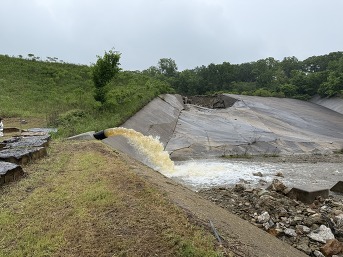
May 31 is National Dam Safety Awareness Day, an opportunity to reflect on the essential role dams play in our lives and emphasize the importance of keeping these structures safe and well-maintained.
There are more than 90,000 dams across the United States with one or more of the following responsibilities:
- Providing clean drinking water
- Supporting agriculture through irrigation systems
- Protecting communities by managing flood risks
- Generating renewable hydropower
- Enhancing recreation and tourism through lakes and reservoirs
The average age of U.S. dams is over 57 years, and as the nation's dams age and populations or industries expand downstream, the potential for impactful dam failures increases. The challenges presented by aging dams, growing urbanization downstream, evolving safety standards, and more frequent severe weather events underscore the need for continuous maintenance, regular evaluations, and heightened attention to dam inspections, rehabilitation, upgrades, and public education.
National Dam Safety Awareness Day also honors the memory of the tragic 1889 South Fork Dam failure in Johnstown, Pennsylvania, which claimed over 2,200 lives. This historic disaster serves as a powerful reminder: dam safety is not optional, but essential.
|
Turn Around, Don't Drown!
As Oklahoma faces increased flooding from recent heavy rains, it is more important than ever to remember: Turn Around, Don’t Drown. Floodwaters are not just inconvenient—they can be deadly. It takes only 6 inches of fast-moving water to knock an adult off their feet, and just 12 inches can carry away a small car. What looks like a shallow puddle may conceal washed-out roads, hidden debris, or strong currents.
In many areas, emergency water releases from dams increases the danger of water on roadways. These releases are sometimes necessary to protect the dam’s structural integrity during extreme inflow, but they can cause rapid rises in river levels downstream, often with little or no warning, turning familiar roads and low-water crossings into life-threatening hazards.
Stay safe with the following precautions:
-
Never drive through flooded roads, even if the water looks shallow.
-
Avoid rivers, creeks, and spillways during and after heavy rainfall.
-
Stay informed by monitoring local weather alerts, road closures, and emergency notifications.
Floodwaters are unpredictable, and first responders cannot always get there on time. Protect yourself, your family, and those who must rescue you.
Turn Around, Don’t Drown.
Building Knowledge: Highlights from Recent Dam Safety Training
Realtor-Focused Training

On March 6 and April 9, the OWRB Dam Safety Program hosted training sessions for realtors, focusing on hazard creep, hazard reclassification, and how to locate information about specific dams. Educating realtors on the importance of communicating dam ownership responsibilities and potential liabilities to clients helps support more informed decision-making in real estate transactions.
|
Levee Safety Training

On April 16, the OWRB Dam Safety program hosted a levee safety training session for dam owners, engineers, dam safety officials, emergency managers, and first responders. Using real flood footage and case studies, the training emphasized practical skills to strengthen community resilience amid growing weather-related risks. Experts from the U.S. Army Corps of Engineers Tulsa District discussed common levee failure modes, response strategies for sand boils, and a case study on collapsed culverts. Attendees also received guidance on proper sandbag placement, flood control measures, and public engagement during emergencies.
|
|