In this issue:
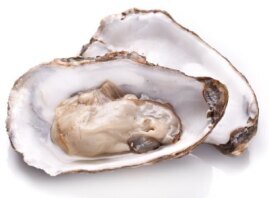
Clams, oysters, and other bivalve shellfish are filter feeders, which means they feed on plankton and microorganisms they strain from the water. As temperatures rise, naturally occurring bacteria found in New York’s marine waters can potentially grow to unsafe levels in shellfish. A common bacteria that is found in our coastal waters is Vibrio parahaemolyticus (Vp), which generally thrives during warm water conditions and can rapidly increase in shellfish during warm air temperatures.
DEC's Vibrio Control Plan promotes proper postharvest handling of shellfish, during the warm weather months between May 1 through October 31 to ensure shellfish are kept cool after harvesting to protect the public health of shellfish consumers.
To ensure the safety of shellfish for consumers, follow the guidance below:
- Reminder to keep shaded (during all weather conditions) and out of direct sunlight while harvesting and during transport to the original dealer.
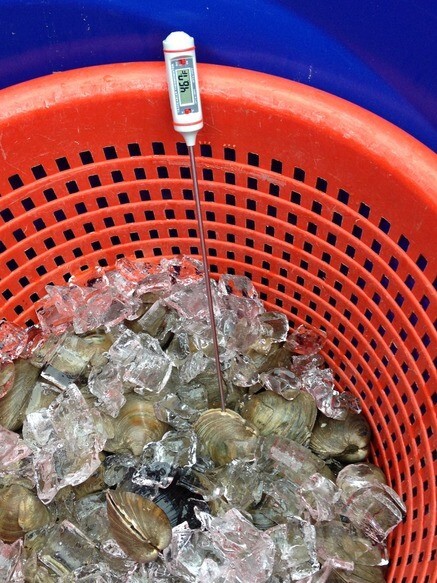
- Never keep shellfish in standing water—only keep them over ice and make sure to remove melted ice regularly or in a container that is self-draining.
- Any ice used must be of drinking water quality (potable water) or from an approved source. If you make your own ice with well water, your water needs to be tested 2 times a year at 6-month intervals by an approved laboratory. The lab test results must be available to DEC upon request.
- Once harvested, keep shellfish in a cooler or refrigerate immediately after culling and sorting to provide appropriate cooling and temperature control of product.
 |
Effective May 29, 2024, DEC adopted amendments to Part 41, “Sanitary Condition of Shellfish Lands.” This new amendment allows electronic communication to be an authorized form of distribution when notifying holders of a NYS shellfish diggers permit of changes to the classification of shellfish lands.
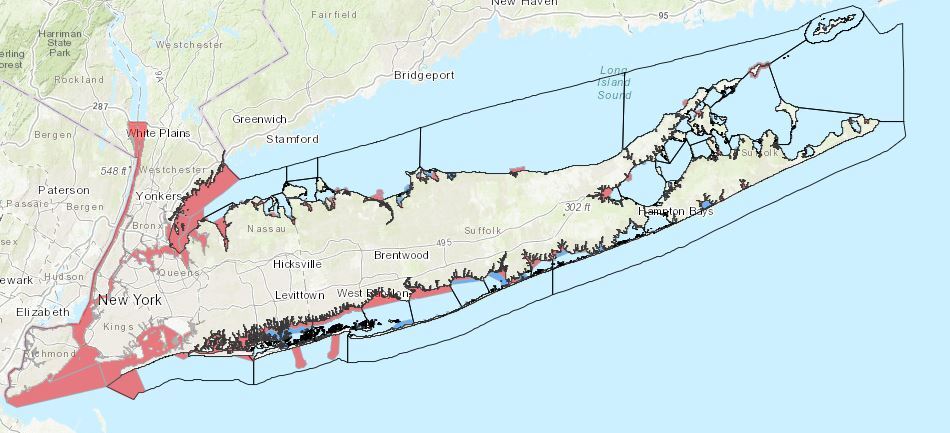
The Department has also determined that water quality in several areas of the marine district around Long Island have changed, requiring reclassification to protect public health. Additionally, the Department has determined that it was necessary in several areas to adjust seasonal closure periods, update closure line references.
Town of Babylon:
- 1-acre of Great South Bay near Oak Island Marina (local name, local landmark) will be downgraded from certified year-round to uncertified year-round January 1 through December 31.
Town of Brookhaven:
-
Bellport Bay: Less than 2-acres of Bellport Bay (Peat Hole) were downgraded from certified year-round to uncertified year-round.
-
Moriches Bay: 479-acres of Moriches Bay (Narrow Bay) had its closure dates shortened from April 15 through December 31 to May 1 through December 31.
-
Port Jefferson Harbor: 54-acres of Port Jefferson Harbor near The Narrows and Conscience Bay were downgraded from certified year-round to seasonally uncertified from May 1 through October 31.
Town of Southampton:
-
Shinnecock Bay: 6-acres of Shinnecock Bay near Tiana Bay Estates Beach & Yacht Club will be downgraded from certified year-round to seasonally uncertified May 1 through October 31.
-
Moriches Bay: 1-acre of Moriches Bay near Baypointe Yacht Club will be downgraded from certified year-round to seasonally uncertified May 1 through October 31.
-
Noyack Bay: 38-acres of Mill Creek will have its closure dates shortened from April 1 through December 14 to May 1 through November 30.
Town of Southold:
-
Shelter Island Sound: 6-acres of Shelter Island Sound were downgraded from certified year-round to seasonally uncertified May 1 through October 31.
-
Long Island Sound: 30-acres of Long Island Sound at Mattituck Inlet and 21 acres at Goldsmith’s Inlet are being downgraded from certified year-round to seasonally uncertified May 1 through October 31.
-
West Harbor: 174-acres of West Harbor at Fishers Island is being downgraded from seasonally uncertified May 1 through September 30 to seasonally uncertified May 1 through October 31.
-
Little Peconic Bay: 4-acres of Little Peconic Bay near Richmond Creek were downgraded from certified year-round to seasonally uncertified May 1 through October 31.
-
Pipes Cove: 5-acres of the unnamed creek will be upgraded from uncertified year-round to seasonally uncertified from May 1 through October 31.
Town of Huntington:
-
Cold Spring Harbor: 14-acres of Cold Spring Harbor will be downgraded from certified year-round to seasonally uncertified May 1 through October 31.
For more information about this rule, and any upcoming regulation changes, please visit DEC's website.
Before going shellfishing, use the DEC Public Shellfish Mapper to know where shellfish harvesting areas are open. This interactive map shows regulatory closures, temporary closures, conditional harvesting programs, shellfish harvest zones, aquaculture lease sites, and water sampling stations.
The ocean is full of phytoplankton, small plant-like organisms (algae) that are invisible to the human eye and form the basis of the aquatic food chain. Most are harmless and play an important role as food for certain marine species. Yet, there are some species that, if given the right conditions, can grow rapidly, creating a widespread "bloom" that overwhelms marine habitats and wreaks havoc on the ecosystem. These are referred to as harmful algal blooms (HABs). Additionally, of the various species that may cause these HABs, there are a handful that can produce dangerous toxins (marine biotoxins) that are harmful to the health of marine organisms and humans.
The algae, Alexandrium spp. produces saxitoxin, a dangerous neurotoxin. Shellfish like oysters, scallops, mussels, and clams, are known as mollusks and filter particulates out of the water for food which may include these toxic Alexandrium cells from the water. Saxitoxin can then be concentrated in the body tissues of these shellfish and make them very dangerous for human consumption.
The Division of Marine Resources Shellfisheries Bureau conducts marine biotoxin monitoring of local waters to identify toxic HABs and where they may be occurring in order to protect human health. Closures resulting from the presence of toxins are reported on the Temporary Shellfish Closures page. Information about marine biotoxins and paralytic shellfish poisoning is also available on DEC's website.
|