In this issue:
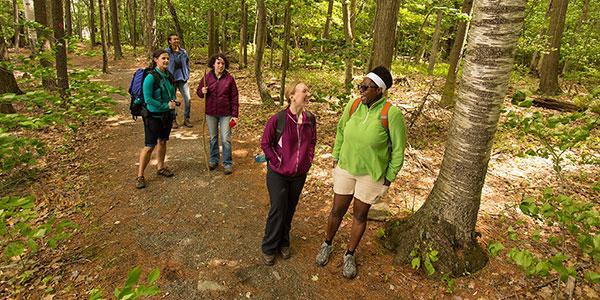
Calling all birders and hikers! The Lakeview Wildlife Management Area (WMA) is a 3,461-acre Bird Conservation Area and is part of the largest natural freshwater barrier beach system in New York State. Located in southern Jefferson County, about 20 miles southwest of Watertown, it offers more than three miles of foot trails, two viewing platforms, and an observation tower. The main trail, Lake Ontario Dune Trail, begins in the shade of hardwoods and ends at the shoreline of Lake Ontario. Two dune walkover structures enable visitors to stroll over the fragile mounds and enjoy the vast shoreline. There’s also a .75-mile trail that runs along South Sandy Creek and ends at an elevated viewing platform that provides striking vistas of the protected sand dunes and wetlands. It is open year-round, but public use restrictions apply to the sensitive barrier beach system.
Don’t forget to bring your binoculars because Lakeview WMA is home to many threatened or endangered bird species, including the Piping Plover, as well as the American Bittern, Caspian Tern, Sedge Wren, and Northern Harrier. For more information, you can visit Lakeview Wildlife Management Area.
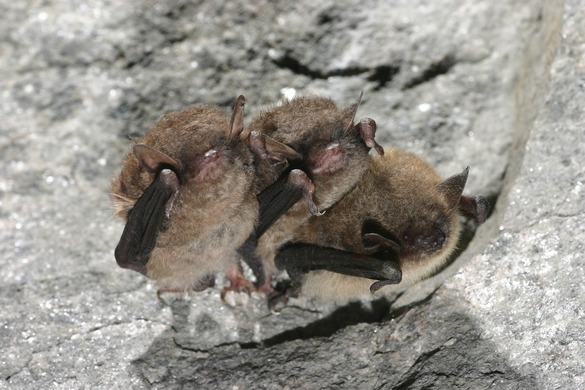
Bats are widely misunderstood. They are not blind and they are not rodents. In fact, most bats see very well and are more closely related to primates and humans than they are to mice or rats. They are the only true flying mammal (flying squirrels glide, not fly) and most are insect-eating machines—devouring 20-50 percent of their weight in insects every night! They are warm-blooded and have fur or hair, give birth to babies, and nurse their babies (pups) with milk. Many pups learn to fly and hunt within 30 days, using echolocation (rapid pulses of sound that bounce off an object) to catch prey on the wing, in the dark of night.
The little brown bat (Myotis lucifugus), the most common bat in New York State, has now emerged from hibernation and likely lives in a forest, rock crevice, cave, or building near you. The best time to view them is approximately 30 minutes after sunset, from late spring to early autumn. You may see these bats in your own backyard, a local park, or forested area, especially near water and along trails. Here are some other great places for viewing bats:
A surprisingly diverse group of fish species swim in New York City’s reservoirs, including cold-water fish, such as trout and salmon, as well as warmwater fish, like bass, pickerel, walleye, perch, and crappie. The 19 reservoirs (roughly 34,000 acres), located in southeastern New York, are regulated by the New York City Department of Environmental Protection (NYCDEP) and are open to fishing from shore and by boat. Because motorized boats are not allowed on these waters, anglers have a better opportunity to catch trophy-size fish of the many species found in them. A free DEP Access Permit is required to fish on NYCDEP property.
For NYCDEP Reservoir Information and Regulations, go to the NYC Reservoir Fishing webpage.
During the last full weekend in June (June 29-30), anyone aged 16 and older can fish the fresh waters of New York State, and no license is required! (Kids under 16 can always fish for free.) All other freshwater fishing regulations still apply.
Take advantage of this perfect opportunity to try fishing for the first time or take someone else fishing. Don’t have equipment? No problem. You can borrow fishing gear for the day from one of many statewide providers through the I FISH NY program, which seeks to increase fishing participation and awareness of the many outstanding statewide fishing opportunities. The website also provides links to other fish education programs, free fish clinics and guides, as well as “How to” videos to get you started. With more than 7,500 lakes and ponds and 70,000 miles of rivers and streams, there are plenty of places to try freshwater fishing in New York State. So, visit our “Places to Fish” webpages for ideas on places to go. World-class fishing is right around the corner!
 |
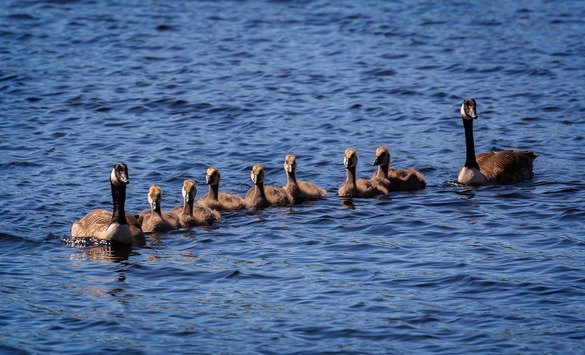
The arrival of spring and summer also means the arrival of newborn wildlife and just-hatched nestlings. Often, wild animal parents stay away from their young when people are nearby. Unfortunately, this causes people to scoop up young wild animals mistakenly believing that they are orphaned or neglected. Remember, “If You Care, Leave Them There.” Wildlife is best left in the wild.
Wait at least 30 minutes after the last observed lightning or sound of thunder before continuing outdoor activities.
Be sure to check out DEC's wide selection of outdoor activities on our events calendar. View upcoming programs or all the planned events currently scheduled, including public hearings and meetings. For information about upcoming events at DEC’s environmental education centers, visit the following links:
Five Rivers Environmental Education Center (Albany County)
Reinstein Woods Nature Preserve & Environmental Education Center (Erie County)
Rogers Environmental Education Center (Chenango County)
Stony Kill Farm Environmental Education Center (Dutchess County)
Visit DEC’s Facebook page for updates and to view our Facebook Live offerings. From adventures at fish hatcheries and nighttime hikes to Q&As about black bears, there is always something to see and learn.
Some highlights of the June/July issue:
- The Haudenosaunee (Iroquois) Confederacy’s long-standing conservation ethic that still guides their environmental practices today.
- The remarkable legacy of a father and son who spent nearly 60 years serving as DEC Environmental Conservation Police Officers.
- DEC’s use of green and sustainable practices when cleaning up contaminated sites, and what else we’re doing to manage and monitor those activities.
- A new tool called environmental DNA (or eDNA) that researchers are using for early detection of invasive species by looking for trace genetic material in the environment.
- High schoolers are using science to help determine why walleye in the Great Sacandaga Lake are smaller than walleye in other state waterbodies. Learn how!
- Our regular features, like Letters, Briefly, and On Patrol in the latest issue of Conservationist.
Visit DEC's website to subscribe or call 1-800-678-6399. We now also offer a digital only subscription for just $6 a year.
Conservationist, the magazine that brings NATURE to your door!
|