|
This bulletin provides only the most recent notices. Check the Adirondack Backcountry webpages for more detailed information on access, outdoor recreation infrastructure, and conditions.
Emergency Situations: If you get lost or injured; keep calm and stay put. If you have cell service, call 911 or the DEC Forest Ranger Emergency Dispatch, 833-NYS-RANGERS.
Welcome to the Adirondacks. The Welcome to the Adirondacks webpage provides information about the Forest Preserve, conservation easement lands, outdoor recreation, and Leave No Trace™.
Love Our NY Lands: All New Yorkers and visitors should be able to access, enjoy, and feel welcome on state lands. While enjoying these shared spaces, be respectful of other visitors. Share trails, treat people with kindness, and leave things as you found them for others to enjoy. All of us have a responsibility to protect State lands for future generations. Learn more about how you can Love Our NY Lands.
In This Issue
- Recent Notices
- Know Before You Go
- General Notices
- Safety & Education: Stay Tick Free
- Leave No Trace™: Become A More Sustainable Camper
- Recreation Highlight: DEC Issues Annual Muddy Trails Advisory for the Adirondacks
- Summer Employment Opportunities
- Take Part in the DEC Informational Kiosk Survey
Recent Notices
The following are only the most recent notices pertaining to public lands in the Adirondacks. Please check the Adirondack Backcountry webpages for a full list of notices, including seasonal road statuses, rock climbing closures, specific trail conditions, and other pertinent information
NEW THIS WEEK
High Peaks Wilderness:
-
Snow Report (04/13): The following report describes conditions as of Thursday, 04/06. Changing weather may affect conditions.
- There is 29.5 inches (2.4 feet) of snow at the Colden Caretaker Cabin.
- Snowshoes or skis are required to be worn throughout the Eastern High Peaks Wilderness, beginning at approximately 2,000ft (around the elevation of Marcy Dam). Snowshoes are recommended everywhere in the High Peaks region for safe and efficient travel. Bring microspikes and crampons for traction on ice.
- Avalanche Lake and Lake Colden are unstable and are not safe to cross.
- Be prepared to turn around if conditions prove too difficult to complete your hike.
Lake George Wild Forest: The gates to Jabe Pond Road and Lily Pond Road are now closed for mud season. They will reopen when road conditions improve.

Know Before You Go:
Fire Danger:
- Adirondack Park - MODERATE
- Champlain Region - MODERATE
- Check the fire rating map for daily updates.
Temperatures & Conditions: These are forecast temperatures for base elevations throughout the region.
The sunshine continues into another beautiful weekend with temperatures in the 70’s and an abundance of sunshine. Overnight temperatures throughout the weekend will be in the 40’s but expect colder temperatures near freezing in higher elevations. Pack the appropriate layers and gear in case your trip goes longer than planned or an unexpected overnight occurs.
Sunshine: Pack and apply sunscreen frequently and wear sunglasses to prevent snow blindness.
Snow blindness, also known as arc eye or photokeratitis, occurs when the sun’s ultraviolet (UV) rays hit the outer layers of your eye. Because snow has reflective qualities, it sends even more UV light into your eyes. Essentially, snow blindness is a sunburn for your cornea, and it can occur on cloudy days as well as clear ones. Snow blindness can cause eye pain, blurred vision, or even temporary vision loss.
Conditions: Conditions will be colder and windier on summits and at higher elevations. Carry extra layers and be prepared to adapt to changing conditions. Bring microspikes or crampons and snowshoes. If you find yourself unprepared for the conditions, or weather worsens, turn back to the trailhead. Hike with a buddy or in a group and know the signs of hypothermia.
Sunrise/Sunset: Sunrise = 6:16 a.m.; Sunset = 7:38 p.m. Make a timeline and stick to it. Pack a headlamp even if you expect to finish your activity before sunset.
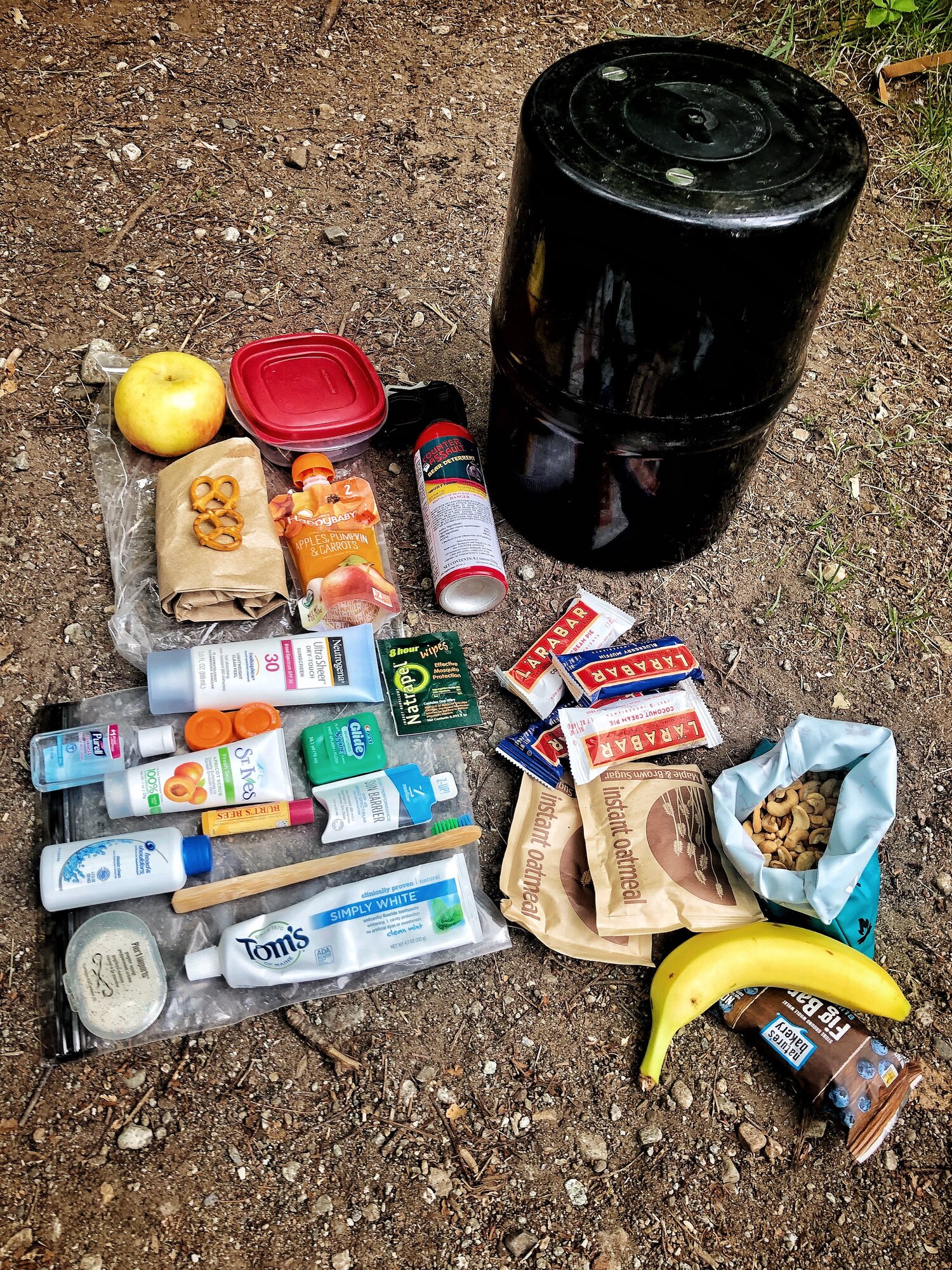
Bear Canisters Required: NYSDEC requires the use of bear-resistant canisters by overnight users in the Eastern High Peaks Wilderness between April 1 and November 30. NYSDEC encourages campers to use bear-resistant canisters throughout the Adirondack backcountry. Bear canisters should be used to store all food, food garbage, toiletries, and other items with a scent. Canisters should be stored a minimum of 100ft from tents, lean-tos and cooking sites and kept closed whenever they are not being accessed. Learn more about bear canisters and avoiding human-bear conflicts.
Adirondack Rock Climbing Closures: DEC closes certain rock climbing routes in the Adirondacks to protect nesting peregrine falcons. For a full list of closures, visit Adirondack Rock Climbing Route Closures. Once peregrine nest sites are determined, climbing routes that will not disturb nesting will be reopened. Routes that remain closed will reopen after the young have fledged. Thank you for your cooperation. For more information please contact the Bureau of Wildlife at (518) 623-1240
Cold Water Advisory: Water temperatures are freezing and falling in can lead to immediate hypothermia. Use caution when paddling and hiking. Never attempt to cross high, fast-moving water, especially following rain or significant snowmelt. If there is precipitation forecast during the day, be mindful of how water crossings might swell between your first crossing and your return trip. Use extreme caution in areas of moving water, such as inlets, outlets, and streams. Banks will be icy and currents are swift.
Check the Weather: Check the forecast for your destination and pack and plan accordingly. Check the National Weather Service Northern Adirondacks and Southern Adirondacks Mountain Point Forecasts for select summit forecasts. Check both daytime and nighttime temperatures and remember that temperatures will drop as you gain elevation.
General Notices
Visit the main Adirondack Backcountry page for more trip-planning resources.
No Overnight Camping at Trailheads: Overnight camping is not permitted at trailheads or other roadside locations where a camping disc is not present. This includes individuals sleeping in cars, vans, and campers. Campers should seek out designated roadside campsites marked with a "camp here" disc or campgrounds. When camping, always carry out what you carry in and dispose of trash properly. Use designated bathroom facilities, pack out human and pet waste, or dig a cat hole.
Travel: Plan on arriving at your destination early and have several back-up plans in place in case parking at your desired location is full. Some seasonal roads may be closed for the winter season and not all parking areas are plowed. Check recent notices for road closure announcements
Seasonal Roads: Many seasonal access roads are closed for mud season. Check the Recent Notices for specific closure announcements and be prepared to turn around and take an alternate route.
Water & Ice Crossings:
- No ice should be considered safe at this time.
- Water levels range from average to above average for this time of year in the eastern and central portions of the Adirondack region and below average in the western part of the region. Check the USGS Current Water Data for New York for stream flow of selected waters. Personal Flotation Devices (PFDs aka lifejackets) are strongly recommended.
Statewide Burn Ban in Effect: The annual statewide ban prohibiting residential brush burning began March 16 and runs through May 14. The annual brush burning ban helps prevent wildfires and protects communities during heightened conditions for wildfires. Backyard fire pits and campfires less than 3 feet in height and 4 feet in length, width, or diameter are allowed, as are small cooking fires. Only charcoal or dry, clean, untreated, or unpainted wood can be burned. People should never leave these fires unattended and must extinguish them. For more information about fire safety and prevention, go to DEC's FIREWISE New York webpage.
Safety & Education
Whether you’re going for a hike, a ski, or out fishing, Hike Smart NY can help you prepare with a list of 10 essentials, guidance on what to wear, and tips for planning your trip with safety and sustainability in mind.
Stay Tick Free!
Just like that winter is over, spring is here and ticks are already out! Follow these tips to stay tick free:
- Wear light-colored clothing with a tight weave to spot ticks easily.
- Wear enclosed shoes, long pants and a long-sleeved shirt.
- Tuck pant legs into socks or boots and shirt into pants.
- Check clothes and any exposed skin frequently for ticks while outdoors.
- Consider using insect repellent.
- Stay on cleared, well-traveled trails and walk in the center of trails.
- Avoid dense woods and bushy areas.
-
Additional tips for tick prevention.

Leave No Trace™
Follow the Seven Principles of Leave No Trace to maintain minimal impact on the environment and the natural resources of the Adirondacks. Use proper trail etiquette to ensure an enjoyable experience for yourself and others and tread lightly!
Become A More Sustainable Camper!
The camping supplies you use can make a difference. If you pack sustainably, you will camp sustainably. DEC recommends the following tips and tricks to help start your trip off the right way. These guidelines are appropriate for any camping trip, whether it's at a state campground, private facility or even a primitive island.
Packaging
- Bring reusable containers for storing leftovers to ensure no food goes to waste.
- Prior to your trip, re-pack any food you are bringing along in reusable containers. For example, packing eggs in a durable, reusable carton will not only cut down on packaging waste you'll have to dispose of at the campground; but also ensure your food is protected in the cooler.
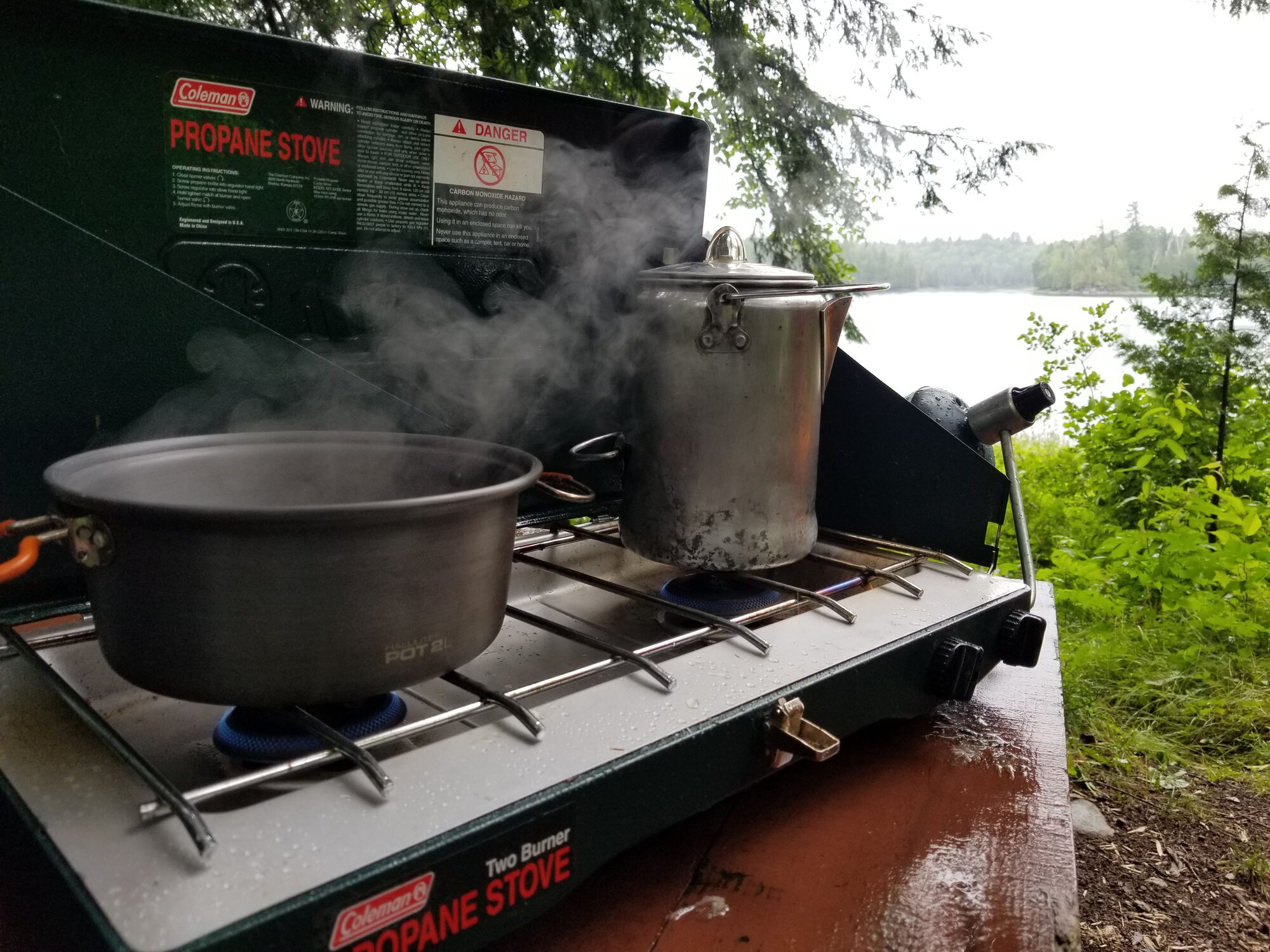
Dishes/Cooking
- Reusable cooking utensils and reusable or recyclable dishes cut down on the amount of trash generated.
- Reusable mugs, cups, or bottles that can easily be rinsed or washed cut down on plastic waste. If it's necessary to use plastic, remember to recycle those items.
- Consider using biodegradable/earth-friendly dish soap, sponges, and water basins. Do your dishes at least 200 feet away from any body of water. Disposing of grey water on the ground or in water bodies is prohibited at state campgrounds; Make sure you contain grey water from dishwashing and other such activities and properly dispose it in sink drains or dumping stations connected to water treatment facilities.
Go All Natural
- Bring non-toxic sunscreen and bug spray that won't harm waters, plants, and wildlife. This will also ensure you avoid inhaling harsh chemicals.
- Natural Bug Spray Recipe: To a 4-oz. spray bottle add…
- 2 oz. of witch hazel (This doesn't need to be exact. Just eyeball it by filling the bottle a little less than half full.)
- 2 oz. of distilled water (Fill the remainder of the bottle until it's almost full, but leave room for adding essential oils and the spray top.)
- Essential oil (20-25 drops for children age 3+ or 40-50 drops for adults and children age 10+)
- Essential oils that are traditionally recommended for their bug repellent properties: Citronella, Lemongrass, Rosemary, Geranium, Spearmint, Thyme, and Clove.
- Bring earth-friendly, compostable toilet paper when camping on state islands.
What Else Can You Do?
-
Get your firewood locally - Locally sourced firewood is firewood from within a 50-mile radius of your desired campground. Under State regulation, it is illegal to transport untreated firewood more than 50 miles from its source within New York since it could spread diseases and invasive species that can quickly kill trees.
- Limit lantern, flashlight, and headlamp use when possible. Use only when necessary - it will help reduce light pollution for fellow campers and to create a more natural, enjoyable experience.
- It may seem convenient to throw packaging and wrappers into the fire, but DON'T. Please dispose of all trash in trash bags and recycle packaging to avoid polluting the air. This will also protect you and your loved ones from breathing in toxic smoke.
- Respect your natural surroundings and wildlife.
- Do not cut down vegetation on your campsite or anyplace in the campground.
- Do not feed wildlife. Leave them be and enjoy them from a distance.
Use this Camping Checklist (PDF) to help plan and prepare for your next camping adventure!
DEC Issues Annual Muddy Trails Advisory for Adirondacks
The New York State Department of Environmental Conservation (DEC) urged hikers to postpone hikes on Adirondack trails above 2,500 feet until high elevation trails have dried and hardened. DEC advises hikers on how to reduce negative impacts on all trails and help protect the natural resources throughout the Adirondacks during this time.
High elevation trails: Despite recent warm weather, high elevation trails above 2,500 feet are still covered in slowly melting ice and snow. These steep trails feature thin soils that become a mix of ice and mud as winter conditions melt and frost leaves the ground. The remaining compacted ice and snow on trails is rotten, slippery, and will not reliably support weight. "Monorails," narrow strips of ice and compacted snow at the center of trails, are difficult to hike and the adjacent rotten snow is particularly prone to postholing.
Hikers are advised to avoid high elevation trails for the duration of the muddy trail advisory for several reasons: sliding boots destroy trail tread, can damage surrounding vegetation, and erode thin soils causing washouts; rotten snow and monorails are a safety hazard even with proper equipment; and high elevation and alpine vegetation are extremely fragile in spring months as they start their regrowth after winter.
Until conditions improve, hikers are encouraged to responsibly explore low elevation trails or enjoy other forms of recreation.
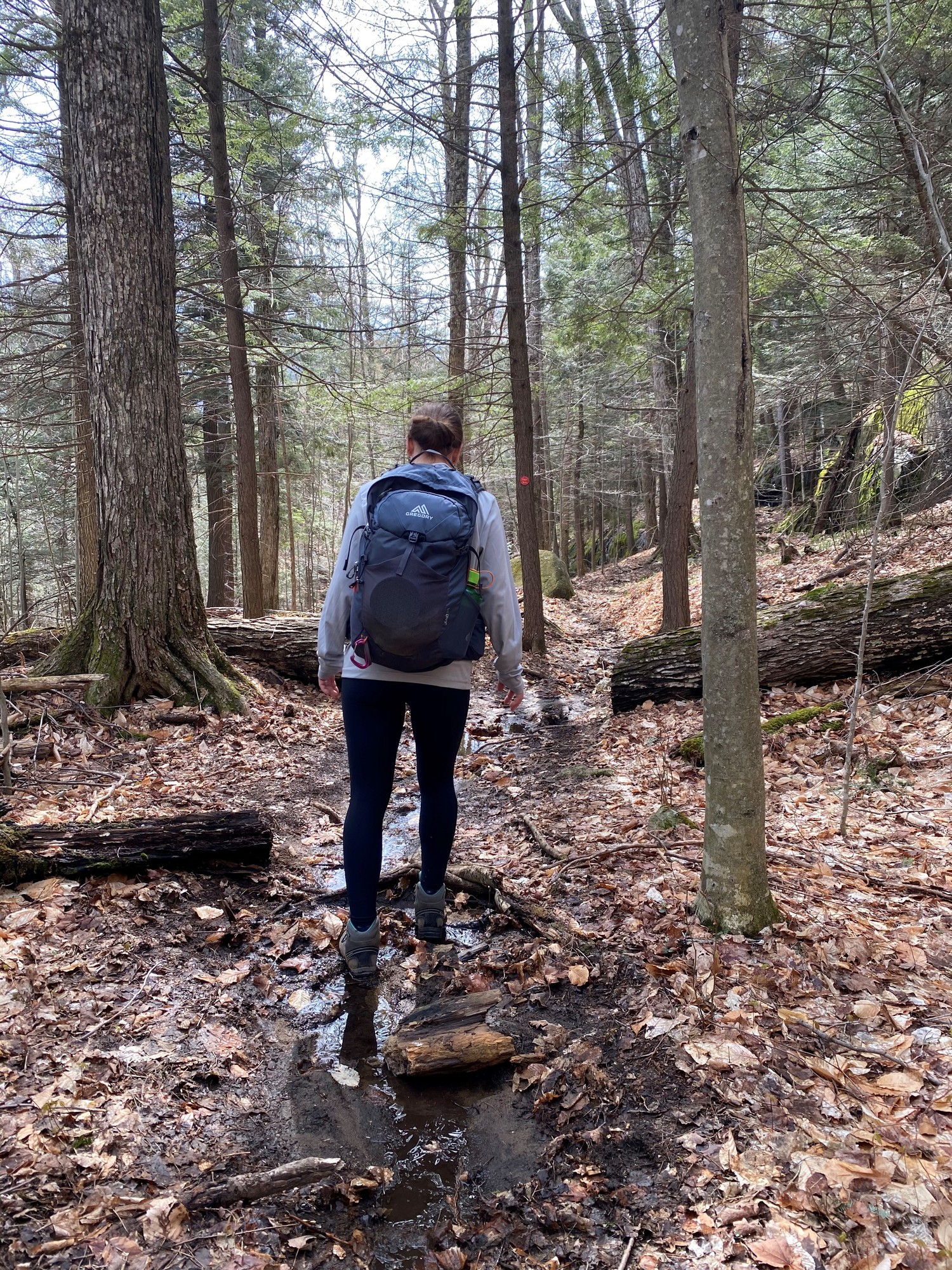
Low elevation and all other trails: Mud and variable conditions are prevalent across all trails in the Adirondacks. Hikers can encounter thick mud, flooding, ice, and deep slushy snow even on low elevation trails. Hikers should be prepared to encounter these conditions and know how to reduce their impacts to protect the surrounding natural resources.
Hikers are advised to walk through the mud, slush, or water and down the center of the trail. This helps to reduce erosion and trail widening and minimizes damage to trailside vegetation. Waterproof boots, gators, and trekking poles are recommended to safely and comfortably traverse these variable trail conditions.
The muddy trail advisory for high elevation trails can last into June as it sometimes takes that long for trails to dry and harden, while in lower elevations. The advisory may be lifted as soon as May for lower elevation trails. Hikers are advised to check the Adirondack Backcountry Information webpages for weekly updates on trail conditions, seasonal road closures, and general recreation information for the Adirondacks.
Visit the DEC website for a list of hikes found throughout the Adirondacks that are great alternatives to popular high elevation hikes during this time.
Summer Employment Opportunities
Would you like to work in New York State's beautiful Adirondack and Catskill Forest Preserves this summer?
Environmental Educators Needed!
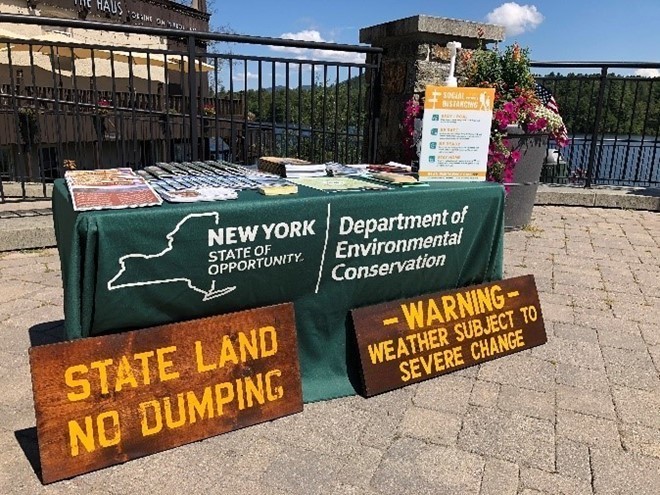
Join our Region 5 Outreach Team and become an integral part of the High Peaks Information Station Program. Educators will spend the summer educating on safe and sustainable recreation in the High Peaks. Your role as an educator is vital in protecting the Adirondack’s natural resources while enhancing the safety, experience, and well-being of our communities and visitors. Positions are based out of the Region 5 headquarters in Ray Brook, NY but educators will spend much of their time at their designated information station.
Apply online today!
2023 Summer Camps Program
We are actively recruiting Directors, Assistant Directors, Waterfront Directors, Cooks, Nurses, EMTs, Counselors, and Camp Aides for the 2023 Summer Camps Program. All positions offer competitive salaries, plus room and board for the summer. Employment at camp begins in mid-June and ends mid-August.
DEC Summer Camps combine environmental education, hunter education, and outdoor recreation to create an adventurous experience for youth. Camp staff engage campers in ecological principles such as field, forest, aquatic, wildlife, and human impact and outdoor skills including backpacking, camping, and canoeing. Learn more about the employment opportunities and how you can apply to work at DEC Environmental Education Camps.
DEC Campgrounds and Day-use Areas
Be a part of a team that helps vacationers enjoy the great outdoors in the Catskill Forest Preserve and Adirondack Park. Positions available include Lifeguard, Maintenance, Security, Supervisor, and more! Some positions start as early as May, but varying start dates can be accommodated based on school and work schedules.
For more information on available positions or to apply for a position call 518-457-2500, e-mail campinfo@dec.ny.gov, or visit the Campground Seasonal Employment webpage on DEC's website.
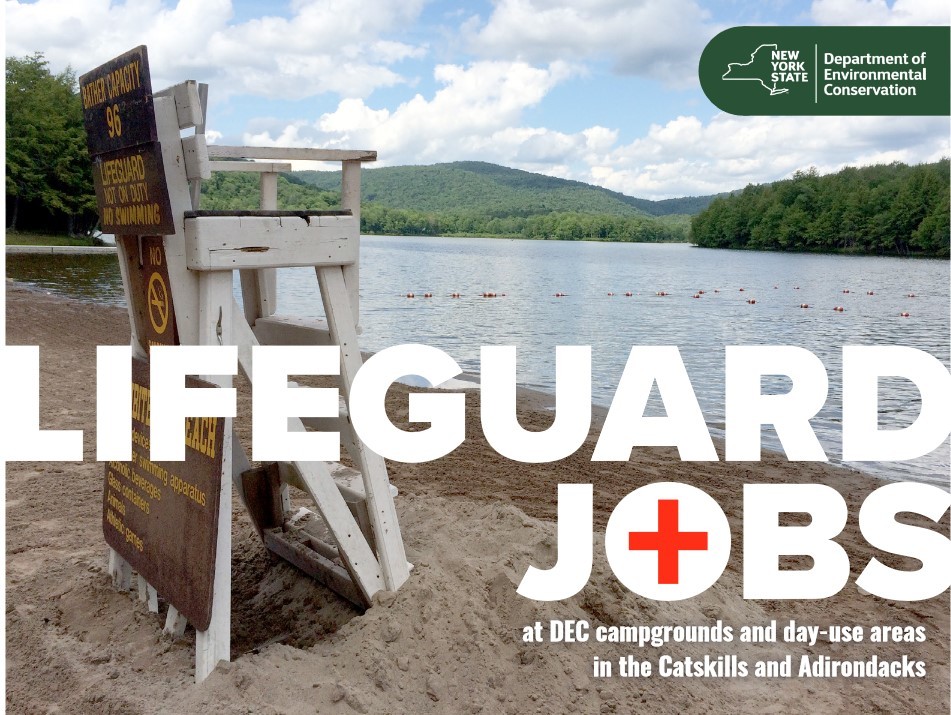
Lifeguard Positions
Seasonal lifeguard positions are available at DEC campgrounds. The current hourly starting rate for New York State lifeguards is $20 an hour, and most DEC facilities offer free housing or site accommodations.
For more information, updates, or to pre-register, call 518-457-2500 ext. #1, e-mail Info.Lifeguard@dec.ny.gov, or visit the Lifeguard Positions webpage on DEC's website.
Take Part in the DEC Informational Kiosk Survey
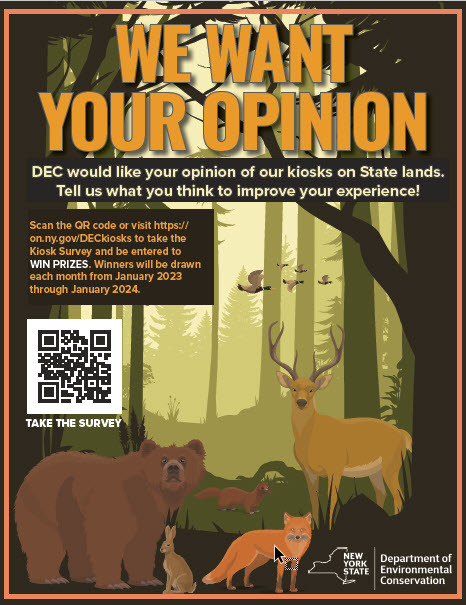
Give us your feedback and win a gift card to a sporting goods store! DEC would like your opinion on our informational kiosks. Kiosks are small, open wooden structures that provide cover for educational/informational signs. These kiosks are located at various state properties such as state forests, wilderness areas, conservation easements, wildlife management areas (WMAs), boat launches, and more. Take our survey to let us know what you think and be entered to win a $50 sporting goods store gift card and a free subscription to the Conservationist magazine! Winners will be announced each month from January 2023 through January 2024. A grand prize winner will be announced in January 2024 and will receive a $200 sporting goods store gift card and a free magazine subscription. By providing input, you can help us improve your outdoor experience!
For prize rules and regulations, please visit DEC's website.
|