
Catskill Outdoor Recreation Bulletin
The New York State Department of Environmental Conservation sent this bulletin on 05/26/2022 01:00 PM EDT |
| DEC Delivers - Information to keep you connected and informed from the NYS Department of Environmental Conservation |
| Share or view as a web page || Update preferences or unsubscribe |
Catskill Outdoor Recreation Bulletin |
May 2022This bulletin provides only the most recent notices. Check the Catskill Backcountry Information webpage for more detailed information on access, outdoor recreation infrastructure, and conditions. Emergency Situations: If you get lost or injured; keep calm and stay put. If you have cell service, call 911 or the DEC Dispatch, 833-NYS-Rangers (1-833-697-7264). Hike Smart by packing the proper gear. See our recommended packing list and safety tips for the Spring season. Welcome to the CatskillsThe Welcome to the Catskills webpage is the place to go if you are interested in learning more about the Catskills. It provides information about the Forest Preserve and conservation easement lands, outdoor recreation opportunities, and Leave No Trace. Be sure to check out the links to additional information and tips for recreating safely and minimizing your impacts on natural resources, recreational infrastructure, and other backcountry users in the Catskill Mountains this Spring season.
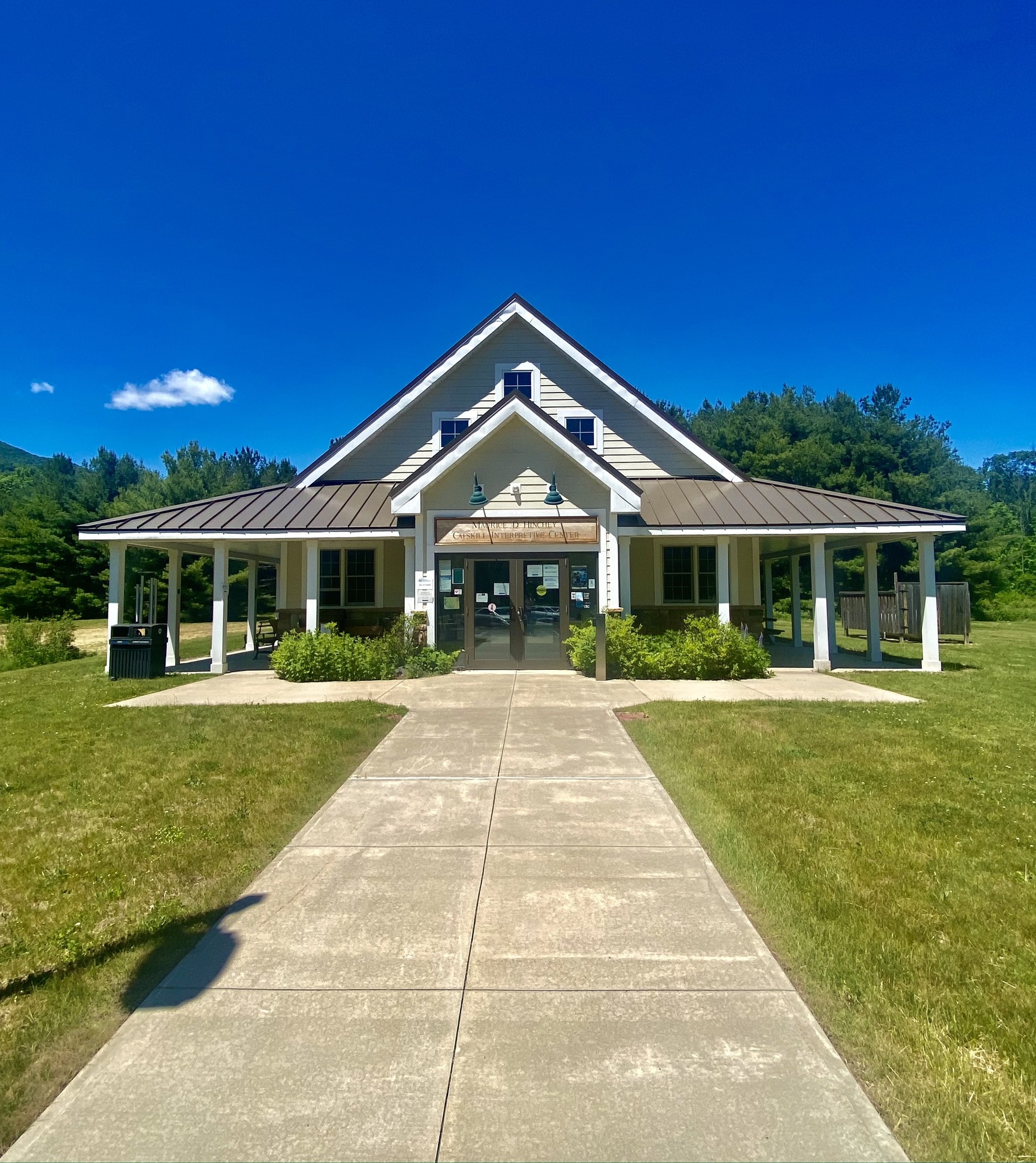
Catskills Visitor CenterThe Catskills Visitor Center is open every day except Tuesday from 9:30 a.m. - 4 p.m. with all new interactive exhibits. Stop by for a visit before your next adventure. Have your questions answered, get trip planning advice, pick up maps and local information, have a picnic, climb the fire tower, and more! Contact the Catskills Visitor Center for more information: 845.688.3369 or info@catskillcenter.org. For local trail conditions, visit the Catskills Visitor Center Trail Conditions webpage. 2022 Catskill Fire Tower Challenge
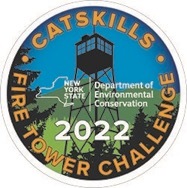
Visitors are challenged to hike each of the six fire towers in the Catskill Park and submit information about their visit at any time during the year to earn recognition and prizes. The 2022 Catskills Fire Tower Challenge encourages experienced hikers to visit the region's five historic fire towers located on Balsam Lake Mountain (Hardenburgh), Hunter Mountain (Hunter), Overlook Mountain (Woodstock), Red Hill Mountain (Denning), and Tremper Mountain (Shandaken), as well as a new sixth fire tower that was opened in the Catskills in the fall of 2019. The Upper Esopus Fire Tower is located at the Congressman Maurice D. Hinchey Catskills Visitor Center in Mt. Tremper and allows all visitors who may not otherwise be able to undertake the challenging hike of several miles to experience a fire tower on the high peaks in the Catskills. To participate in the challenge, hikers must hike to all six DEC-owned fire towers in the Catskills between Jan. 1, and Dec. 31, 2022. Once completed, participants submit a log of their completed hikes along with a favorite photo to the Challenge email address: CatskillsChallenge@dec.ny.gov or via mail. Entries must be postmarked by Jan. 7, 2023. Participants that complete the challenge will receive a letter, a commemorative 2022 Catskills Fire Tower Challenge patch, and a one-year subscription to DEC's Conservationist magazine, currently celebrating its 75th year in circulation. Upon completion, finishers will also be able to download a customizable certificate and will be eligible to win hiking accessories after the challenge period is closed. For more information visit the Catskill Fire Tower Challenge webpage. Love Our NY Lands - DEC AlertsFollow @NYSDECAlerts for real-time updates from state lands and sites across the state All New Yorkers and visitors should be able to access, enjoy, and feel welcome on state lands. These lands belong to all of us, our families, and our neighbors. While enjoying these shared spaces, be respectful of other visitors. Share trails, treat people with kindness, and leave things as you found them for others to enjoy. All of us have a responsibility to protect State lands for future generations. Learn more about how you can Love Our NY Lands. General NoticesBefore you hit the trail, check out DEC’s Hike Smart NY webpage to learn about safety, best practices, preparedness, and the Hiker Responsibility Code. Discover trails less traveled, and visit when trails may not be as busy. Check the Weather– Check the National Weather Service for current conditions and forecasts for the locations where you plan to recreate. Check both daytime and nighttime temperatures. Expect conditions to be cooler and more exposed on mountain summits. Mountain Summits– Check the National Weather Service to prepare for summit weather conditions. Catskill Region Daytime: Mid 70’s Manage your time wisely: Be mindful of sunrise and sunset times, and plan accordingly. Always bring a headlamp in case you are out longer than expected. Approximate Time of Sunrise: 5:28 AM Spring conditions– Temperatures and precipitation can be less predictable during this time of year. Plan Ahead and Prepare by checking the weather report and trail conditions before heading out. Dress for the weather and come prepared with warm layers and rain gear. Poison Ivy– Pesky plants and insects have once again emerged. Visitors should take precautions to minimize contact with dangerous plants. Read more about poison ivy identification on DEC’s website. Ticks– Wear light-colored clothing with a tight weave to spot ticks easily. Wear enclosed shoes, long pants, and a long-sleeved shirt. Tuck pant legs into socks or boots and shirt into pants. Check clothes and any exposed skin frequently for ticks while outdoors. Consider using insect repellent. Stay on cleared, well-traveled trails and walk in the center of trails. Avoid dense woods and bushy areas Check out these additional tips for tick prevention. Mountain Biking– There are many great opportunities for mountain biking in the Catskills. Spring has sprung but remember, the trails are in transition meaning they are more susceptible to erosion and trail widening. Please do your best to avoid riding wet and muddy trails. When encountering wet patches ride through the center of the trail to avoid damaging trailside plants and contributing to potential impacts to the trail like trail erosion. Stewards in the Catskills – DEC has partnered with several organizations to provide on-the-ground stewardship throughout the summer of 2022. Trail stewards have been hired through the Catskill Center for Conservation and development, Catskill Mountain Keeper, New York-New Jersey Trail Conference, and the Student Conservation Association. Stewards will provide education and outreach to visitors of the Catskill Forest Preserve. If you see the stewards out on the trail, be sure to say hello! Recent NoticesBluestone Wild Forest – Onteora Lake– The gate allowing access to the lower parking is open for the season. Kaaterskill Wild Forest– The Molly Smith parking area on Route 23a in the Town of Hunter has been closed to improve visitor safety. Kaaterskill Falls can still be accessed from Laurel House Road, Schutt Road, or North South Lake Campground. You can find directions to these parking areas on DEC's website. Slide Mountain Wilderness Area –The Terrace Mountain and Table Mountain Lean-tos have been replaced. Forest Rangers, DEC Forestry, and Operations staff partnered with State Police to fly in the lean-to kits with helicopters. Big thanks to the Bruderhof community for building the lean-to kits in their woodworking shop class and to the 3500 Club for the generous donations of roof and floorboards and shingles. Peekamoose Blue Hole – Please be aware of the permit requirements and special regulations for Peekamoose Valley Riparian Corridor and Blue Hole in the Sundown Wild Forest. A $10 permit is required for use of the entire Peekamoose Valley Riparian Corridor, including the Peekamoose Blue Hole. Visit our website for details on how to obtain a permit. DEC has issued special regulations for the Blue Hole and Peekamoose Valley because of the huge increase in visitors. The purpose of these regulations is to increase public safety and reduce impacts to environmental resources. The special regulations are as follows,
Leave No TraceTM
The Leave No TraceTM principles provide a framework for safe and sustainable recreation. The principles provide guidelines that can be tailored to you. Before heading out to visit State lands, take the time to review and familiarize yourself with these principles ahead of time to help ensure you will be prepared, stay safe, and minimize damage to our shared lands and waterways. It's easy to Leave No Trace,
Learn more about how you can protect natural spaces when exploring outdoors by visiting the Leave No TraceTM website. |

|
The New York State Department of Environmental Conservation respects your right to privacy and welcomes your feedback | Update preferences or unsubscribe | Learn more about DEC Delivers |
|
Connect with DEC:     
|
|
| Basil Seggos, Commissioner | |