|
Glucose Measurement in the Diagnosis and Management of Diabetes
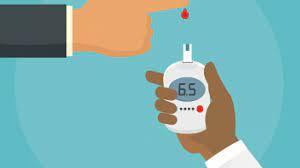
The American Diabetes Association (ADA) recently published the updated Guidelines and Recommendations for Laboratory Analysis in the Diagnosis and Management of Diabetes Mellitus. The guidelines, based on published data and/or expert consensus opinions state that the recommendations may or may not align with those of other organizations. For example, the ADA recommends against diagnosing diabetes by fingerstick while the World Health Organization (WHO) allows it. The document gives an extensive review of the data and the history of glucose analysis.
|
Diagnosis
- A1c, fasting plasma glucose (FPG), and the 2-hour oral glucose tolerance test (OGGT) are all acceptable methods for diagnosis.
- Unless the evidence is unequivocal, a diagnosis of diabetes should be verified by either repeating the same test on a different day or using a different test on the same day, i.e., FPG with verification by A1c.
- Plasma glucose should be measured by an accredited laboratory when used for diagnosis and screening. Point-of-care testing is not recommended.
- Routine measurement of plasma glucose by a laboratory is not recommended for the primary management of a person’s diabetes.
Blood Glucose Meters (BGM)
- Home meters used in the U.S. should meet FDA accuracy standards: 95% of readings within 15% and 99% within 20% of the lab result. Devices intended for professional use should be used for point-of-care testing in hospitals and acute care facilities.
- BGM should not be used for diagnosing diabetes including gestational diabetes.
- Community screening using BGM is “generally” not recommended unless there is a system of follow-up for those identified with abnormal values.
- People with type 1 or type 2 diabetes using multiple daily doses of insulin or insulin pumps should monitor as needed to maintain glucose levels as close to the non-diabetes range as can be safely done.
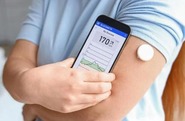
Continuous Glucose Monitors (CGM)
- Real-time CGM should be used in teenagers and adults with type 1 not meeting goals or having frequent episodes of hypoglycemia or hypoglycemia unawareness. Consider real-time CGM in pregnant women with type 1.
- Intermittently scanned CGM can be considered in adults with type 1 not meeting goals or having frequent episodes of hypoglycemia or hypoglycemia unawareness.
- Real-time or intermittently scanned CGM should be considered in adults with type 2 using insulin when goals are not met.
- Consider using professional CGM in conjunction with diabetes self-management education services and medication adjustment for people with type 1 or type 2 diabetes to identify patterns of hyper or hypoglycemia.
|
3MinuteExtraMile suggested action steps:
- The ADA continues to take a conservative stance on routine BGM use in non-insulin users. Pharmacists can review medication profiles and determine when BGM might offer guidance. For example, avoiding hypoglycemia with sulfonylureas, periodic pre and postprandial check to assess effect of food, and monitoring pre and post exercise.
- CGM users regardless of whether their device requires calibration will need an accurate BGM during CGM downtimes or when numbers don’t agree with feelings. Pharmacists can remind people to keep in-date supplies on hand.
- BGM users need initial instruction on the use of their device and a periodic technique checkup. This can be done by pharmacists and/or technicians.
- Non-invasive technologies for checking glucose values are addressed in the statement. The FDA has not approved any of these devices and pharmacists should be prepared to explain that, while the technology is fascinating there is nothing trustworthy available yet.
Resources
Executive-Summary-Guidelines-and-Recommendations
James Bennett BSPharm, BCGP, CDCES
Bozeman MT
Please share with colleagues and encourage them to Click to subscribe
|
|
|
|