Older Adults and Diabetes -Part 2
Last month’s newsletter presented a brief overview of diabetes in older adults, defined as those over 65 years of age. Although many people 65 and older are physically fit and mentally healthy, a portion of that population suffers from one or more elements of “geriatric syndrome.” Frailty and polypharmacy are two areas where pharmacist’s interventions can have a positive impact.
Geriatric Syndrome Component Examples:
- Frailty
- Reduced kidney function
- Urinary incontinence
- Cognitive decline
- Chronic pain
- Increased risk of falling
- Sleep disorders
- Polypharmacy

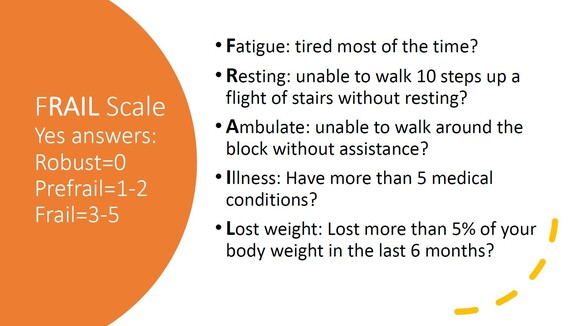
Frailty is defined as “a loss of biologic reserves across multiple organ systems and vulnerability to physiological decompensation after a stressor event.” Once established, frailty is the single biggest predictor of mortality in older adults. The presence and extent of frailty can be assessed using the FRAIL SCALE and can dictate the choice of pharmacologic treatment for diabetes and comorbid conditions.
Polypharmacy is common in older adults and can result in non-adherence, drug-drug, and drug-disease state interactions and an increased incidence of adverse events. Studies have demonstrated pharmacists can help by simplifying medication regimens and counselling patients. In the clinical pharmacy setting pharmacists can influence overall prescribing habits and clinical outcomes.
Medication Classes For Older Adults
With some exceptions, the medication choices for older adults and the general population with type 2 diabetes are the same. There are situations where first-line medications can have disadvantages in frail patients who may suffer from sarcopenia, weight loss, decreased appetite, reduced kidney function, and other defining conditions. Physiologic changes that occur with aging and the onset of frailty may impact the pharmacodynamic response to medications and the glucose lowering effect of a medication may become more profound.
|
 The 3minuteEXTRAmile Pharmacist Actions
- Simplify medication regimens.
- Suggest discontinuing non-essential medications.
- Consider the disadvantages of common medications in frail older adults:
- Metformin: GI tract disturbances, B-12 depletion, possible weight loss, contraindicated if eGFR below 30.
- Sulfonylureas: hypoglycemia risk, increased levels with reduced kidney function.
- DPP-4 inhibitors: increased risk of hospitalization with saxagliptin and alogliptin in presence of heart failure.
- SGLT-2i: can cause volume depletion, hypotension, increased urinary incontinence, and possess less glucose lowering ability at lower eGFR levels.
- GLP-1 RA: weight loss may result in sarcopenia and nausea could reduce appetite.
- TZDs: increased risk of osteoporosis and fractures, can cause or exacerbate heart failure.
- Insulin: increased risk of hypoglycemia, pre-mixed insulin requires predictable meal schedule.
Additional resources:
James Bennett BsPharm, CDCES, BCGP
Bozeman Mt
Springtime Allergies
Sunshine, warmer weather, and blooming flowers mark the beginning of spring. However, for those who suffer from allergies, springtime can wreak havoc. The pollen released from trees, grasses, and weeds can make allergies flare and trigger asthma symptoms. Unfortunately, climate change will likely make pollen counts higher and pollen seasons longer. As more and more patients come to the pharmacy counter asking for help, it is important for pharmacists to understand the role steroid nasal sprays play in allergy management.

There are many steroid nasal sprays to choose from when it comes to allergies with both over-the-counter and prescription products available. The most common over-the-counter options are:
- Fluticasone propionate (Flonase)
- Triamcinolone (Nasacort)
- Budesonide (Rhinocort)
All of these nasal steroid sprays can be used for spring time allergies but there are some special considerations:
- Fluticasone propionate is a second-generation steroid nasal spray that has minimal systemic side effects.
- Fluticasone propionate is scented while budesonide and triamcinolone are not.
- Fluticasone propionate and triamcinolone are indicated for use in adults and children older than 2 years while budesonide is indicated for adults and children older than 6 years.
|
Counselling patients on how to use over-the-counter steroid nasal sprays is similar among all products and involves the following steps:
- Prime new bottles or bottles that have not been used recently.
- Gently blow nose to clean nasal passages.
- Gently place the nozzle into one nostril while closing the other with a finger.
- Spray up and away from the center of the nose (septum), sniffing gently as doing so.
- Exhale through mouth and repeat if needed.
- Repeat in the other nostril.
- Clean nozzle with tissue and replace cap.
Pharmacist Action Steps:
- Familiarize yourself with the appropriate use of over-the-counter steroid nasal sprays.
- Counsel patients on appropriate usage of steroid nasal sprays.
- Assess the severity of patient’s allergies and/or asthma symptoms.
- Offer additional resources for patients with uncontrolled allergies.
Brennan Kappes, Pharm D Candidate. Reviewed by Rachael Zins, Pharm D, AE-C
Please share with colleagues and encourage them to Click to subscribe
|