|
Minneapolis continues to grieve after the tragic shooting at the Church of the Annunciation on Aug. 27. As a community, we are in mourning together with the Annunciation families, friends, and neighbors whose lives have been forever changed. We hold space for healing and commit to caring for one another during this painful time.
In partnership with neighborhood organizations, state, and county partners, we hosted a Neighborhood Community Support & Resource Center at Lynnhurst Park on Aug. 31-Sept. 2. We are deeply grateful to the more than 300 people who joined us to gather in community and heal together.
Whether impacted directly or indirectly, community members have benefited from resources and recovery services, including mental health services, spiritual care, victim services, applications for financial assistance, therapy animals, and more.
While the center is now closed, this support continues. If you are a community member who needs support, please call 311 or you can find resources on the City’s website.
Acknowledging the broader impact of gun violence
The Annunciation shooting is just the latest example of gun violence in Minneapolis and the devastating impacts it brings for many across our city. This week, Mayor Frey renewed strong calls for meaningful gun reform. On Sept. 2, marking the first day back to school for many students across the state, Mayor Frey and other Twin Cities mayors joined Moms Demand Action at the Minnesota State Capitol to call for urgent legislative action to ban assault weapons and high-capacity magazines.
And – if state lawmakers can’t find agreement on meaningful gun reform, the mayors called for authority to pass their own common-sense reforms — something that isn’t currently possible and would require a change in state law.
These calls to action are part of the City’s legislative agenda, which includes banning the sale of assault weapons, bump stocks, silencers, and extended magazines, along with other measures to reduce gun violence and keep communities safe.
Read more about what the mayor and gun reform allies are calling for on the City’s website.
Resources and support for those impacted
The Minnesota Crime Victims Reimbursement Program provides financial help to victims, witnesses, and their families for losses incurred as a result of this incident. It can cover expenses like medical expenses, dental expenses, counseling expenses, lost wages, mileage to and from appointments, funeral and burial costs, survivor's benefits, home health care, and replacement childcare. Learn more about the reimbursement program from the Minnesota Department of Public Safety Office of Justice Programs.
Mental health support
The events of Aug. 27 may be difficult to process for children, parents, caregivers, and all residents. Mental health resources and the Disaster Distress Helpline are available on the City’s website.
Ways to help
Financial donations are the best way for members of the community to support the victims. The Annunciation Hope and Healing Fund is organized by the Catholic Community Foundation. The Minneapolis Foundation is supporting this effort with their text-to-give function.
Providing information
Anyone with information related to this incident is encouraged to email policetips@minneapolismn.gov or call 612-673-5845. To remain anonymous, contact CrimeStoppers at 1-800-222-TIPS (8477) or submit a tip online at Crime Stoppers Minnesota.
Strength and resilience in response
City officials discussed the heroic acts, community response, and the City’s commitment to preparation for mass incidents at a news conference held on Aug. 29. The effective coordination between the City, state, county, and community partners reflects our ongoing commitment to strengthening emergency management and crisis response since 2020. Training, procedures, and communication channels helped ensure the right people and resources were in place when needed. Read more about the City’s response on the website, or watch the news conference.
Standing together
This tragedy deeply affects not only Annunciation parish and school, but the entire city. We encourage anyone who needs help to reach out to 311 for support information. Let’s continue to show up with care and compassion for one another and encourage strength in the face of tragedy.
Over 1,400 University of Minnesota workers represented by Teamsters Local 320 are in ongoing negotiations with the University administration for a labor contract. UMN Teamsters Earlier this summer, UMN Teamsters voted 97% to authorize a strike.
This week, the union has announced they are likely to turn down what the University calls their final offer. The Teamsters bottomline demands are extremely reasonable:
- A wage increase that meets or exceeds the 3.5% increase given to other unions on campus
- No change in the expiration date
- Maintenance of all other progress made at the bargaining table so far
I stand in solidarity with UMN Teamsters and urge the administration to put forward a dignified offer to workers.
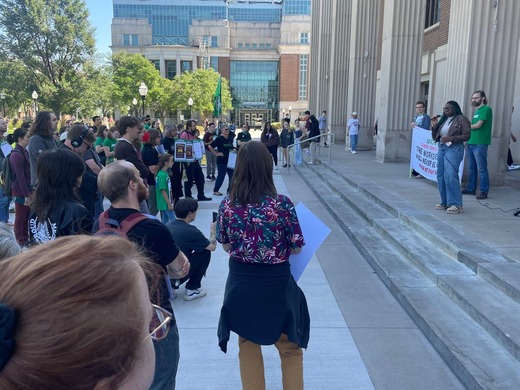
Meanwhile, University workers represented by AFSCME continue to bargain for a fair contract. I had the honor of speaking at a rally in support of AFSCME workers during University Welcome Week.
Council Member Wonsley speaking to AFSCME workers and supporters
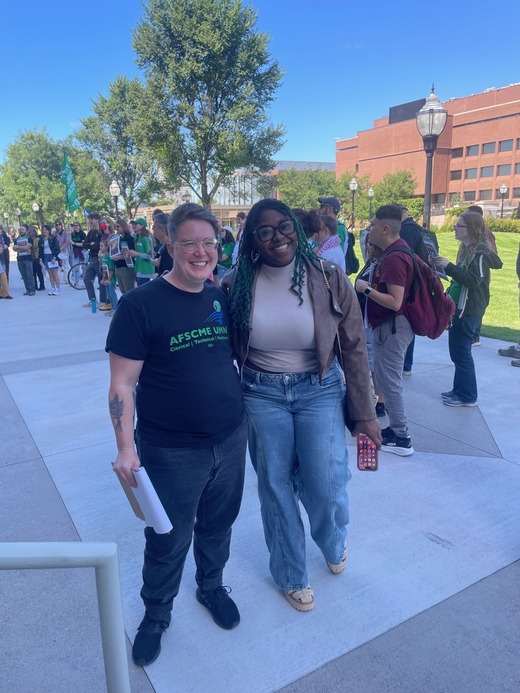
Council Member Wonsley with an AFSCME worker leader.
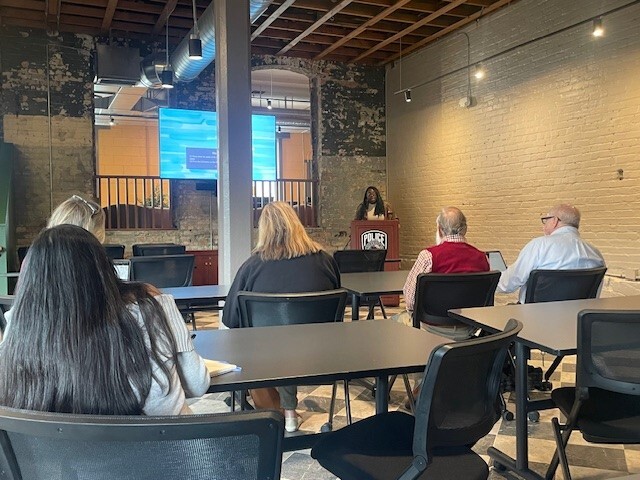
I presented at the University of Minnesota’s Bringing U to the Community event. I shared updates on the renters rights policies my office has led Council to pass in conjunction with students and housing advocacy organizations to make sure student renters are educated and empowered.
We also celebrated the new pedestrian-level lights in Dinkytown Marcy Holmes. After decades of students and the University community calling for improved lighting, my office was able to secure $500,000 for Dinky After Dark, and the first light posts are already going into the ground.
The City of Minneapolis, Hennepin County, and University of Minnesota were also able to successfully partner to secure funding for safety railings on the Washington Avenue Bridge and 10th Ave Bridge.
Council Member Wonsley speaking at Bringing U to the Community at the Dinkytown Off-Campus Safety Center
For over a year, my office has worked with a variety of stakeholders around the University to explore how we could get a grocery store located in Dinkytown. Recently, Council received a city report highlighting that a quarter of U of M students are experiencing food insecurity. This is simply unacceptable. Shortly after receiving the report, my office worked with University staff, students, and neighborhood leaders to craft a funding proposal that we presented to the University District Alliance (UDA) for approval. The proposal would have the UDA partner with the East Bank Neighborhood Partnership to issue a competitive process to hire an economic development specialist who can assist them in making the grocery store in Dinkytown a reality, as well as revitalizing vacant commercial storefronts in Dinkytown. The proposal was passed with near unanimous support from the UDA and I look forward to sharing updates on the next steps.
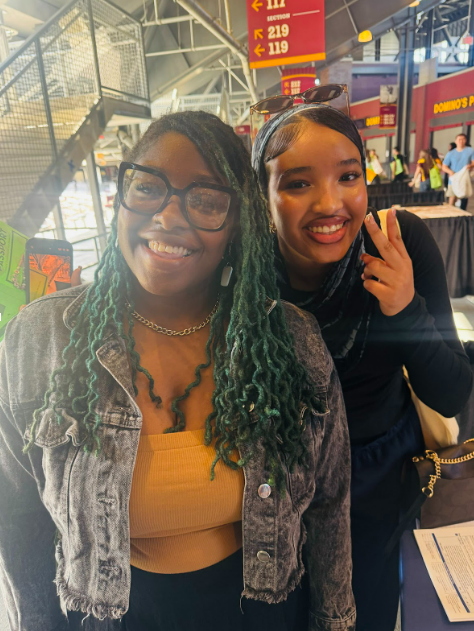
My office participated at Welcome Week at the University of Minnesota Twin Cities. This fantastic event allows new and returning students to peruse the hundreds of clubs, communities, local small businesses, and organizations they can get involved with. I had a great time connecting with new students and look forward to investing in many of these young leaders over their years ahead on campus.
Council Member Wonsley tabling at the ExploreU event at UMN Welcome Week.
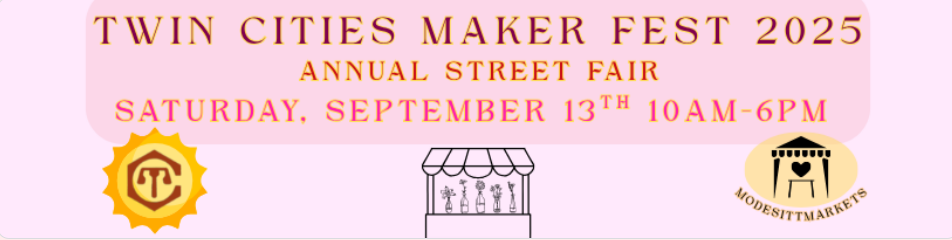
Twin Cities Maker Fest 2025 will be a street fair on 26th Ave, near Franklin Ave, with free activities, large demos, food trucks, and 150 local artists and craftspeople. Spend the day exploring Minneapolis’ biggest block party of small makers and seasoned artists alike!
Twin Cities MakerFest 2025
- September 13th, 2025
- 10am-6pm
- 26th Ave from Franklin Ave to 24th St
Applications for vendors, volunteers, and tabling here.
Twin Cities Maker’s mission is to provide access to tools and equipment, education, and other resources to help people of all skill levels innovate, create, and learn. Located in Ward 2, Twin Cities Maker is an incredibly valuable community resource and hub. Learn more about Twin Cities Maker here.
Poster for Twin Cities MakerFest 2025
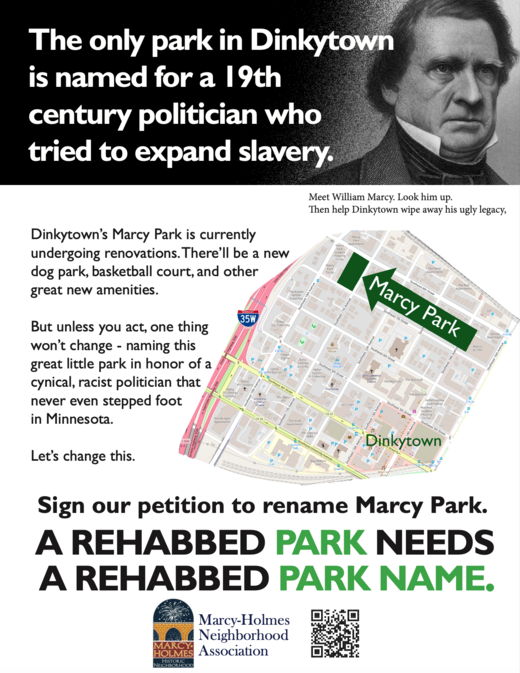
East Bank neighbors have been organizing to rename Marcy Park. Marcy Park is about 15 blocks away from Marcy School, leading to confusion. Even more importantly, the park is named after William Marcy, Secretary of War under President Polk, who was a vocal advocate for slavery. Marcy had no documented association with Minnesota.
Neighbors successfully nominated the park for renaming. After an extensive public engagement process, Dinky Park was selected as the proposed new name. Read more about the resident-led renaming effort here.
There is one more opportunity to testify at a public hearing over renaming Marcy Park. You are invited to attend this public hearing to express your perspective on the possible renaming of Marcy Park. You can also reach out to Park Commissioners directly to ask that they rename Marcy Park.
Public hearing to rename Marcy Park
- Thursday, September 25th from 5-9pm
- Mary Merrill Minneapolis Park and Recreation Board Headquarters - Board Room
- 2117 West River Road North
Poster about the resident-led effort to rename Marcy Park.
Summary: I’m authoring an ordinance to improve public accountability over MPD’s use of surveillance technology.
Background: I’m authoring an ordinance to improve public accountability and oversight over MPD’s use of surveillance technology.
In 2021, before I joined the City Council, several advocacy groups and residents organized successfully for the city to pass a facial recognition ban. Since then, these groups and others have raised questions on how the Council can continue to strengthen oversight over surveillance technology.
My interest in this topic started in 2022 when residents shared concerns about MPD’s decision to purchase drones.
The ordinance requires a public hearing when MPD seeks to purchase new surveillance equipment. This will help ensure transparency for the Council and the public to be informed of what technologies are in use in their communities.
Based on the findings in the Minnesota Department of Human Rights investigation into the City of Minneapolis, we know that MPD has utilized surveillance in problematic ways. It is important that Council mitigates opportunities that allow situations like that to occur.
I look forward to working on an additional ordinance that will create a publicly available master list of all technologies currently used by MPD. I’m committed to working with my colleagues to fully utilize our legislative authority on this issue.
Key votes: The Administration and Enterprise Oversight Committee voted unanimously to recommend the ordinance for approval. The Council will vote on the ordinance at the Council meeting on September 11th.
Summary: Council Member Chavez, Council Vice President Chughtai and I are authoring an ordinance that would support transparency and equity in commercial property sales in cultural corridors and the university area.
Background: Commercial real estate markets often operate through relationships and without substantial transparency. The lack of transparency makes it difficult, often impossible, for neighborhood groups, nonprofits, and community partners to participate in the process. Without transparency and community participation, these transactions can further destabilize small business and increase wealth gaps, leading to displacement and economic disruption in the city.
This dynamic was particularly visible in 2020, when civil unrest and the COVID-19 pandemic led to the involuntary displacement of vital community-supporting small businesses, especially in cultural corridors. Many of those small businesses that define our communities are BIPOC-owned. Small business owners need protections against outside displacement by property companies and developers.
The Commercial Advance Notice of Sale ordinance would require advance notice to the City of a proposed sale of commercial property within an established Cultural District, the University area, or a section of Washington Ave. N near the Mississippi River. Commercial property owners will be required to give notice to the City 60 days prior to the commercial property being made available for sale. The City will be able to publicly share information about buildings that have been noticed for sale. Public advance notice creates more transparency in the process to better facilitate opportunities for community ownership. It is important to note that the power of this ordinance is transparency and that the property owner can choose to complete the sale to any buyer on any timeline they choose after the sixty days of notice.
The goal of this ordinance is to prevent small businesses from being shuttered due to property sales of which they weren’t aware of. It also creates transparency and equal access to information about what buildings are going up for sale, which could open doors for those historically left out of the process. It will increase local awareness, the crucial first step to potential local ownership.
Council Member Chavez worked to bring back the Commercial Advance Notice of Sale policy this year with a more tailored focus on cultural corridors. I worked with Council Member Chavez to incorporate the University area and a stretch of area between the Mississippi River and Washington Avenue North, which would also benefit from the policy. The University area has unique needs and challenges around commercial development, but similar underlying issues around transparency and equity in property sales.
The ordinance had a public hearing and discussion this week. Council Member Chavez and Vice President Chughtai presented background on the policy. At the public hearing, three people testified in opposition to the policy. All three represented commercial landlord groups. Two were former Republican state legislators who represented areas outside Minneapolis. Three people testified in support, all of whom represent community organizations supporting local small businesses and fighting displacement.
I was unsettled that rather than respecting the expertise of the community members who developed and testified in support of this policy, some of the Council Members on the Business Housing and Zoning Committee repeated the baseless concerns of the landlord lobby groups. These are essentially the same alarmist claims that big business groups always make about regulation, such as claiming they will harm the local economy or have unintended consequences. Baseless claims about this harming Black and Brown communities were also made, despite this ordinance intentionally focusing in areas that have high BIPOC communities or have a history of being underserved and underinvested in by both government and private interests. City staff as well as council often hear the same unsubstantiated claims of potential negative outcomes to dissuade the city from passing regulation that levels the playing field for working class communities and small business owners.
Unfortunately, the committee took several votes to forward the item to full Council, all of which were unsuccessful. This is a very uncommon situation, as Council Members who don’t support an item typically support forwarding an item to full Council so that there can be a final vote and the item can succeed or fail. Instead, the committee was unable to take any action and the item will remain in the committee instead of coming to full council next week for a final vote.
I encourage all residents who support improved stability and equity in commercial corridors to reach out to the members of the Business Housing and Zoning Committee and urge them to support the Commercial Advance Notice of Sale.
Key votes: Council Members Chowdhury and Osman voted to advance the policy out of committee so that Council could consider it. Council Member Cashman and Rainville voted in opposition, holding back the policy in committee. No action was taken.
Please take a look at the proposals for community space in the Democracy Center and fill out the survey by Sept. 12.
This survey is to collect feedback on the two applicant proposals for the community space. After the survey closes, we’ll review feedback as well as the original proposals and select a single applicant to award a contract for the community space. We anticipate this to happen later this fall.
Next steps
LSE Architects will continue to advance the design plans for the building and present to City Council later this fall. It is anticipated that construction will begin in early 2026 and continue into early 2027.
Visit the Minneapolis Democracy Center webpage.
Sign up for Minneapolis Democracy Center updates.
Take the survey
You can find presentations about the proposals for the community space from Change Inc. and Mama Sheila's House of Soul on the City website.
After reviewing the proposals, please take the survey by Sept. 12.
Serving on a City board or commission is your chance to directly shape policies that affect daily life, like housing, transit and public safety. Your voice brings fresh perspective and drives transparency in City decisions.
Most boards meet monthly, and it’s a great way to gain valuable skills, build relationships with community leaders, and grow your understanding of local government.
Right now, Minneapolis is accepting applications for several boards. Opportunities include:
- The Minneapolis Commission on Civil Rights works to promote and enforce civil rights across the city.
- The Heritage Preservation Commission safeguards the city’s historic and cultural legacy.
- The Workplace Advisory Committee advises City leaders on employee and workplace issues.
Ready to get involved? Explore current openings, and apply Sept. 1-30.
Below are the streetlight repair updates from Public Works from August 18 to September 1.
- New Theft
- 46th and Grand (cabinets, wire)
- 18th Trail NE
- 3rd Ave NE near Marshall
- Repairs In Progress
- Sabo Bridge
- Minnehaha
- Greenway damaged service cabinet being repaired
- Next Steps
- Greenway prep
- Checking back with Xcel at Bde Maka Ska
- City is on track to receive a shipment of 6 miles of aluminum wire the week of September 15
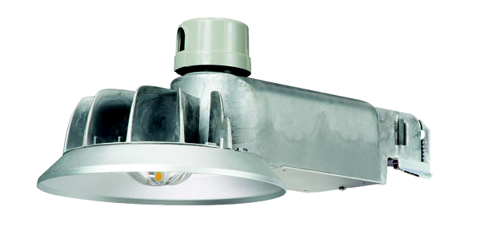
Minneapolis residents who have an Xcel Energy pole behind their house can request an additional Nightwatch light to be attached to the pole. In most cases there is no charge for installing the light. The monthly charge of $9.51 plus applicable taxes and fees will appear on your electric bill. Xcel Energy will need enough room to drive a truck into the alley and close to the pole. The light is typically installed 4-6 weeks after receiving a request. To request a light or learn more, please email OutdoorLighting@xcelenergy.com.
Model of Nightwatch alley light.
Contact Ward 2
Visit: minneapolismn.gov/ward2
Email: ward2@minneapolismn.gov
Phone: 612-673-2202
City Hall
350 S. Fifth St., Room 370
Minneapolis, MN 55415
For reasonable accommodations or alternative format please contact 311. People who are deaf or hard of hearing can use a relay service to call 311 at 612-673-3000. TTY users call 612-263-6850. Para ayuda, llame al 311. Rau kev pab, hu 311. Hadii aad caawimaad u baahantahay, wac 311. |