
Carbon fees veto update
City of Minneapolis sent this bulletin at 10/11/2024 02:23 PM CDT
Dear community,
The recent devastating hurricanes in North Carolina and Florida have claimed hundreds of lives and billions of dollars in damage, reminding all of us of the life-threatening consequences of climate change.
Climate change is caused by carbon emissions, and Minneapolis residents consistently ask the city to take immediate action to reduce carbon emissions and do what we can to prevent the worst damages from climate change. The city has a goal to reduce carbon emissions 75% by 2030.
Since 2021, thousands of residents have organized through the People’s Climate and Equity Plan to demand that Council pass a fee on carbon emissions. Fees are a tool that allows the city to charge businesses for the cost of the services that the city provides them. I took this idea seriously, and for the last two years I’ve been working to establish pollution control fees on carbon emissions.
According to the Sustainability Department’s own research, carbon fees will support the reduction of carbon emissions by 6% from the 36 largest polluters. This is estimated to remove about 605 tons of carbon emissions from the atmosphere- and the big polluters themselves will cover the cost of the program, not working class residents.
Last week, the Council voted 13-0 in support of including fees on carbon emissions to the city’s pollution control fees in 2025. Mayor Frey vetoed carbon fees.
Unfortunately, the Frey administration has resisted carbon fees every step of the way, through withholding information, failing to meet internal deadlines, misdirection, deflection, and changing goalposts. I and my team have persistently navigated these challenges for two years, because we take climate change seriously and know that implementing carbon fees must be a priority.
Mayor Frey claims to oppose carbon fees because he believes that they create unnecessary legal risk for the city until two other legislative actions are completed. Here is my plan to eliminate the Mayor’s stated barriers to implementing carbon fees in 2025:
Establish a carbon emissions program to justify the fee
- 10/15 Budget Committee: Pass a budget amendment allocating funds within the Health Department’s 2024 budget for a carbon dioxide pollution control annual registration program. The Health Department has outlined that staffing and program costs are $453,826. The Health Department will have discretion to allocate this from anywhere in their existing departmental budget.
- 10/17 Council: Approve the budget allocation so that the Health Department has funding allocated to begin to stand up the carbon fees program immediately. The Health Department already has a robust pollution control program that administers fees for dozens of harmful technologies and air emissions. With the passage of this funding allocation, they will have two months to simply add carbon dioxide to that program, using the specific implementation guide laid out on pages 3-9 of their own staff report. This will allow them to start the hiring process for a new staff person to start in early 2025. It also establishes defined and justified program costs, eliminating one of the Mayor’s stated legal concerns about establishing a fee.
Pass enabling legislation to justify the fee
- 10/23 Public Health and Safety Committee: Set a public hearing to consider amending the PCAR ordinance to include carbon dioxide at the next meeting of the Public Health and Safety Committee.
- 11/6 Public Health and Safety Committee: Public hearing on ordinance amendment to include carbon dioxide.
- 11/14 Council: Vote to add carbon dioxide to the list of air emissions in the PCAR program. This establishes enabling legislation to put fees on carbon dioxide well before the 2025 Fee Schedule goes into effect on January 1, 2025.
In summary, Council can override the Mayoral veto on October 17 and swiftly address what the administration claims are the remaining barriers to implementation. By the middle of November, the Health Department will have what they need for a program with a clear and defined cost that is proportional to the fee level in the 2025 Fee Schedule, and enabling legislation will be in place for the city to recoup the program costs through a fee. These two legislative actions by Council address the legal opinions expressed by the Mayor well in advance of the implementation of the fee on January 1, 2025, or any polluter being charged the fee in January 2025.
I look forward to taking action with my colleagues to implement carbon fees in 2025, whatever it takes, for the sake of our residents and for the sake of our planet.
Sincerely,
Council Member Robin Wonsley
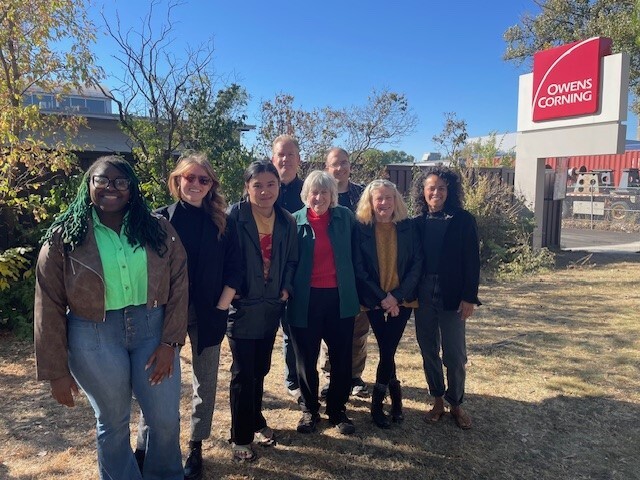
Council Member Wonsley and Council Member Cashman with community environmental justice leaders from the East Phillips Urban Farm, Zero Burn Coalition, and People’s Climate and Equity Plan celebrating the passage of carbon fees, just hours before Mayor Frey vetoed it.


