 Friday, January 23, 2026
Make an emergency plan for snow and ice
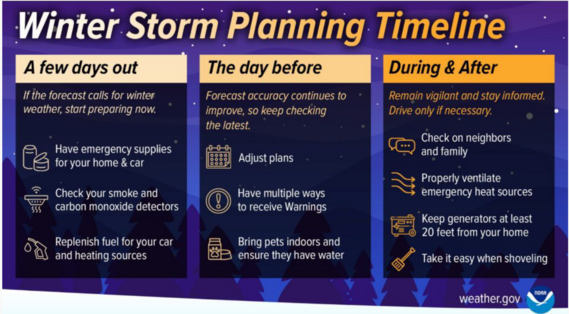 Being safe in hazardous winter weather not only means taking the appropriate steps during the storm, but also having the right supplies beforehand. Waiting to stock up on supplies until a watch or warning is issued may result in those items being unavailable or the store being closed.
The checklist below provides some basic guidance on what to have in your home during the winter if you are forced to stay indoors or lose electricity.
-
Disposable dishware: plates, bowls, utensils
-
Specialty items: medications, infant formula
-
Portable radio: AM/FM radio and batteries
-
Warm clothing: hats, mittens, parkas, boots
- Extra blankets
-
Matches: for candles and gas fireplaces
-
Shovel/snow blower: check condition and maintenance
-
Flashlights (extra batteries)
- First-Aid Kit
-
Cellphone (fully charged)
-
Firewood: Wood fireplaces
Here are a few additional action items to consider during the snowy season:
-
Sign up for LENSAlert receive weather alerts, disaster resources, and preparedness tips.
-
Check and ensure smoke alarms and carbon monoxide detectors are working properly.
-
Winterize homes by checking chimneys, insulating pipes, cleaning gutters, and gathering supplies.
-
Winterize vehicles by checking tires, oil, battery, and antifreeze, and keeping a preparedness kit in the car.
For more information, visit our Emergency Public Health Preparedness website to access the multilingual preparedness resources.
Visit Mayor Greenberg’s snow resource page where Louisville residents can find resources to stay safe, connected and informed during snow and ice events.
Glaucoma: A silent threat to vision
 January is Glaucoma Awareness Month, highlighting the importance of education and regular screenings to protect the optic nerve and preserve vision.
Glaucoma is an eye condition that causes damage to the optic nerve, which can result in vision loss or blindness. The optic nerve plays a crucial role in transmitting visual information from the eye to the brain, making its health essential for clear vision. This damage is often associated with elevated eye pressure, although glaucoma can also occur with normal eye pressure.
Glaucoma can occur at any age, but it is more commonly found in older adults and is a leading cause of blindness in those over 60. Dr. Inder Singal, executive director of the Louisville Metro Department of Public Health and Wellness and a retina specialist since 2003, emphasizes that glaucoma can harm vision without obvious symptoms, highlighting the importance of regular eye examinations.
“Glaucoma often does not produce pain or cause blurry or cloudy vision in its early stages, which means it can only be identified through an eye examination,” said Dr. Singal. “This highlights the significance of public awareness.”
Regular eye examinations, including checks of eye pressure, are important. Early detection of glaucoma can help slow or prevent vision loss. If diagnosed with glaucoma, ongoing treatment or monitoring will be necessary throughout one’s life, Dr. Singal said.
He recommends that eye examinations should be scheduled according to age and specific risk factors, such as having a family history of glaucoma. Adults aged 40 and above should undergo exams every one to two years, with increased frequency recommended for individuals at higher risk.
Emergency Preparedness Workshop will help
you and your family create a disaster plan
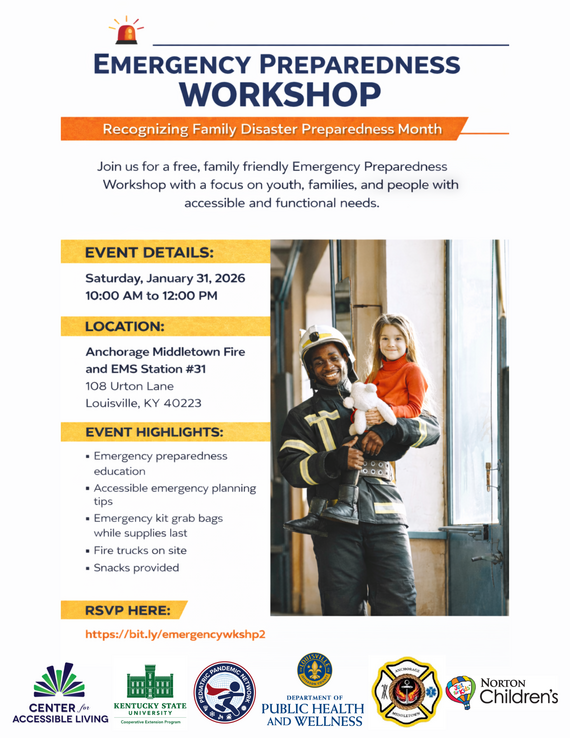
You're invited to attend a free family-friendly Emergency Preparedness Workshop focusing on youth, families and people with accessible and functional needs at 10 a.m. on Saturday, Jan. 31 at the Anchorage Middletown Fire and EMS Station #31, 108 Urton Lane. Refreshments will be served.
The event will include:
- Emergency preparedness education
- Tips for accessible emergency planning
- Emergency kit grab bags, available while supplies last
- Fire trucks on site
Please click here to RSVP for this informative event.
|