|
WINTER 2025
In this issue: Weld County Aging and Disability Resource Center | Upcoming Weld Aging Well Classes | Upcoming Fresh Conversations Talk | Holiday Gift Guide | Navigating Challenges and Embracing Joy in the Winter
Helping loved ones stay independent: Weld County’s ADRC is here to help
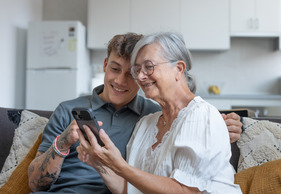
As our loved ones age, navigating the maze of community resources can become overwhelming. Across the country, Aging and Disability Resource Centers (ADRCs) are working to simplify this process, ensuring older adults and individuals with disabilities can access the support they need to remain independent and in their homes for as long as possible.
In Weld County, the Area Agency on Aging’s Information and Assistance line is a vital resource for residents aged 60 and older, as well as adults 18 and over living with a disability. This non-emergency phone line connects individuals and caregivers with a wide range of services and supports tailored to meet their unique needs.
As you visit family and friends this holiday season, you may notice signs that a loved one is struggling, perhaps with mobility, managing daily tasks, or accessing basic necessities. The Information and Assistance line is here to help. With just one call, you can be connected to services such as transportation, home-delivered meals, in-home Medicaid programs, caregiver support, legal assistance, housing options, food and financial aid, Medicare counseling, and referrals to veteran services, among many others.
The goal is simple: Make it easier for individuals to find the help they need, when they need it, without unnecessary stress or confusion. Whether you're a family member, caregiver, concerned neighbor, or someone seeking support for yourself, the ADRC/Information and Assistance team is a trusted partner in promoting independence and well-being.
For more information, call the Weld County Area Agency on Aging Information and Assistance line at (970) 400-6952 or email AAAinfo@weld.gov.
|
Weld Aging Well upcoming classes
Classes offered this winter:

Strong People
Learn proper weightlifting technique at an intensity specific to you during this 12-week strength training exercise class. Participants experience increased muscle mass and reduced risks of osteoporosis, diabetes, heart disease, arthritis, depression, and obesity.
Days: Every Tuesday and Thursday
Dates: Jan. 5 through March 26
Time: 11 a.m. to noon
Location: Greeley Active Adult Center (1010 6th St., Greeley)
|
A Matter of Balance
This award-winning program is designed to manage falls and increase activity levels. You will learn to set goals for increasing activity, make changes to reduce fall risks at home, and exercise to increase strength and balance.
Days: Every Monday
Dates: Jan. 26 through March 16
Time: 1 to 3 p.m.
Location: Windsor Community Center (250 11th St., Windsor)
All Weld Aging Well workshops and classes are offered free of charge to adults 60 and older. Registration is required, as class size is limited. For more information or to register, call Gabi Snyder at (970) 400-6117.
Upcoming Fresh Conversations talk
Fiber – The unsung hero of healthy aging

Fresh Conversations is a monthly series of lively, informative discussions about health and nutrition for adults 60+.
This month’s Fresh Conversations topic is all about fiber, why it matters, and how it supports digestion, heart health, and more — especially as we age.
Come learn, share, and ask! Let’s talk about fiber and how it can help you feel your best this winter.
Date: Wednesday, Dec. 10
Time: 10 to 11 a.m.
Location: Hill N Park Senior Center (4205 Yosemite Dr., Greeley)
Bonus: Stay after for a donation-based lunch with the Friendly Fork meal program at 11:30 a.m. (Reservations required. Call (970) 301-5574.)
Questions? Contact Jessi Like, Registered Dietitian, at (970) 400-6118 or jlike@weld.gov.
|
Holiday gift guide for people living with dementia and their caregivers

The Alzheimer's Association has compiled a list of gift ideas for individuals living with Alzheimer's or other dementia, as well as some ideas for caregivers. Depending on the stage of disease, some well-intentioned gifts may no longer be appropriate or practical for the person. These gift ideas are for individuals living in the early, middle, and late stages of Alzheimer's. They include stage-specific suggestions aimed at keeping the person engaged, safe and involved in everyday tasks.
Early stages
- Post-it notes or an erasable whiteboard to list reminders or the day’s activities.
- Baskets or trays that can be labeled within cabinets or drawers.
- Gift cards for ride-sharing services or a favorite activity (e.g. golf, movie, restaurant) to help the person to remain active.
- GPS trackers (bracelets, watches, small trackers) or enrollment in a safe return program to keep the person safe.
- A “memory” calendar featuring family photos — write-in special family occasions such as birthdays and anniversaries.
Middle to late stages
- Music playlists that include the person’s favorite artists or songs.
- Comfortable, loose-fitting clothing that is easy to put on, remove, and wash, such as sweat suits, slip-on blouses/shirts, non-slip socks, Velcro-fastened shoes, wrinkle-free nightgowns, nightshirts, or a fluffy bathrobe.
- Framed photographs or a photo collage created specifically for your loved one. Insert the names of the people in the photos to help with identification.
- Soothing gifts that can help with anxiety, like a handheld massage ball or a soft blanket.
- Adaptive dining equipment such as no-spill cups, plate guards, and silverware with specifically designed handles that enables greater independence during meals.
Gifts to help with everyday tasks and keep the person living with Alzheimer's engaged
- A memory phone that can store pictures with the names and contact information of family and friends.
- Nightlights that activate automatically when it gets dark.
- A digital clock with large type to indicate date and time.
- An outing to a movie, play, concert, sporting event, museum, or possibly an organized holiday shopping trip with friends and family.
Caregiver gift ideas
- The most important gift you can give a dementia caregiver is the gift of time. In fact, just a 20-minute break each day can help lower a caregiver’s stress and help avoid burnout.
- Self-made coupons for cleaning the house, cooking a meal, mowing the lawn, or shoveling the driveway.
- Gift cards and certificates for restaurants or meal delivery, laundry/dry cleaning services, lawn care services, computer/technology support, maid services, and personal pampering services such as massages and pedicures.
- Books — in addition to giving novels on the caregiver's "must read" list, there are a number of books on caregiving and maintaining self-health.
- Focus on self-care with a bundle of personal care items (moisturizers, bath bombs and soaks, foot creams, scrubs, and soaps).
For more tips on how families affected by Alzheimer’s and other dementias can safely enjoy time with family and friends during the holidays, visit the Alzheimer’s Association.
|
Navigating challenges for
older adults and embracing joy
in the winter season
By Donnica Fagan, Weld County AAA Senior Nutrition Program Supervisor
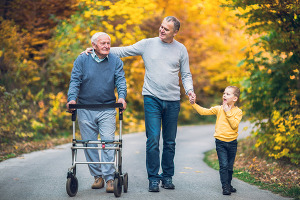
As winter settles in, older adults face unique challenges that can impact their health and well-being. With shorter days, colder temperatures, and the potential for severe weather, winter is a time of year we all must prepare for. While this season can be a time of challenge, with the right support, it can also be a season filled with joy and connection.
Some risks prominent in the winter months, especially for older adults, include cold weather vulnerability, increased fall risk, social isolation, and poor mental health, as well as susceptibility to flu and other illnesses. Older adults should be prepared for these risks by ensuring they have adequate heating in the home and dress in layers, wear non-slip footwear, and use assistive devices if necessary. Home modifications, like handrails and adequate lighting, can also reduce fall risks. Staying up to date on vaccinations and practicing good hygiene can help protect their health from complications with the flu and other illnesses. For older adults that drive, it is also recommended to carry a kit in the car that includes food, water, medications, and other essentials for emergency situations.
For joy and connection, older adults are encouraged to take part in the following:
- Engage in indoor exercises, such as yoga or tai chi, which can help maintain mobility and balance.
- Utilize technology for virtual gatherings if in-person meetings are challenging. Online classes, video calls, and social media can help maintain connections with loved ones.
- Seeking mental health professionals can also provide support for those experiencing feelings of sadness or isolation.
- Engage in seasonal activities such as watching holiday movies, crafting, or baking. Join a holiday festival around town or drive with a loved one to look at neighborhood lights.
- Volunteering for community organizations, especially those that help others during winter, can be fulfilling. Giving back can boost mood and provide a sense of purpose.
If mobility allows, enjoy the beauty of winter through short walks or visits to local parks. Fresh air and nature can lift spirits and improve overall well-being.
|
|