Heat Awareness Day, signs of heat illness, a “super” El Niño, pesky mosquitos, and more
This email is being sent to local public health officers, Tribal health directors, and subscribers to BEOH updates, Climate and health updates, Assisted Living Forum, and DQA-Notifications and Updates lists.
What’s new this summer
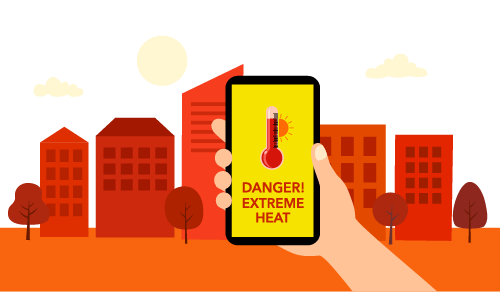
Wisconsin Heat Awareness Day is June 3, 2026, and is it the perfect opportunity to brush up on ways Wisconsinites can navigate extreme heat hazards and stay safe this summer.
This issue goes over some helpful resources for beating the heat, including:
June 3, 2026 is Wisconsin Heat Awareness Day
May brought the first couple of +80°F days this year, meaning we can finally put those snowblowers and shovels away and start preparing for warmer weather.
The Climate and Health Program has an Extreme Heat Toolkit for local partners to help promote heat safety across Wisconsin. The National Weather Service (NWS) also has a NWS heat safety social media toolkit with template posts.
Also check out Wisconsin Emergency Management’s news release announcing this year's Wisconsin Heat Awareness Day for important heat data and more helpful information on staying cool this summer.
Hear from a local farmer in this Climate and Health heat video as he shares his story on how heat has impacted his health, the health of his employees, and livelihood. It also shares what you can do to stay safe when extreme heat hits.
Extreme Heat Toolkit
The Climate and Health Program’s Extreme Heat Toolkit can serve as a critical resource for local governments, health departments, and communities to prepare for and respond to extreme heat events in Wisconsin. It includes:
- Background information and definitions of extreme heat in Wisconsin.
- Practical guidance and strategies for the health impacts of heat.
- News releases for media and talking points related to heat.
- Other useful heat reference materials.
These resources can be adapted and distributed as needed.
|
Recognizing heat illness and symptoms
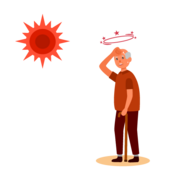
Heat illness is no joke. Recognizing heat illness and its symptoms in those around us helps to keep each other safe. Certain groups in our communities are at a higher risk of heat illness than others, particularly:
- Older adults
- Younger children
- People living alone or without shelter
- Non-English speakers
- Outdoor workers
- People with chronic health conditions
- Athletes
- People without reliable air conditioning
A few ways that heat illness can present itself are as rashes, cramps, stress, edema, exhaustion, and stroke. An elevated body temperature (up to 104°F) is a shared symptom of most cases of heat illness that may lead to heat stroke if left unattended.
|
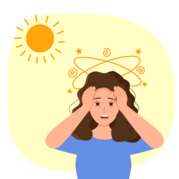
Heat rash is caused by excessive sweating that blocks sweat ducts. Symptoms range from a red rash or cluster of pimples, blisters, or itching.
Heat cramps are muscle spasms caused by dehydration or electrolyte deficiency, often in the abdomen, calves, thighs, or shoulders.
Heat stress makes it hard for your body to cool down, causing heat illness. Symptoms include hyperventilation and muscle spasm, tingling, or numbness.
Heat edema is swelling from heat exposure that causes blood vessels to expand, particularly in the ankles, feet, and hands of older adults.
Heat exhaustion is the body’s response to excessive salt and water loss through sweating. Symptoms include muscle cramps, profuse sweating and weakness, rapid breathing, dizziness, nausea, or vomiting.
Heat stroke is a life-threatening form of heat illness from an accumulation of other symptoms related to excess heat exposure. Seek medical attention immediately! Symptoms include an oral body temperature ≥104°F, loss of consciousness, confusion, rapid pulse, hot/red/dry skin, headache, dizziness, nausea, or vomiting.
If someone is experiencing any of these symptoms during an extreme heat event, you should:
- Remove the affected person from heat.
- Find a cool location to rest (call 211 or visit 211.org to find a community cooling center near you).
- Have them drink fluids with plenty of electrolytes.
- Seek medical attention if symptoms don’t improve.
|
“Super” El Niño and 2026’s summer weather — how will it impact Wisconsin?
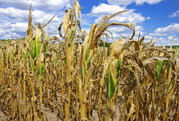
For those paying attention to weather trends, the new term “super El Niño” has been everywhere. An “El Niño” is a natural climate pattern of rising surface water temperatures (usually 0.5 - 1.0°C) in the Pacific Ocean, which in turn affects global weather patterns —yes, including Wisconsin! Make it “super” (more than 2.0°C warmer), and you have a recipe for more intense weather effects worldwide. We chatted with Andy Boxell at the National Weather Service to ask if this weather phenomenon will impact summer heat.
“El Niño impacts are pretty muted during the summer,” Andy said. “The effects tend to be much more pronounced during the winter months, usually with warmer and drier conditions.”
The Climate Prediction Center outlook shows near-average conditions for the upcoming summer. But that doesn’t mean we should slow down on our heat preparedness. Create a heat response plan for your community and encourage folks to stay hydrated and seek cool spaces as the temperature rises. Interested in creating a heat response plan? Contact the Climate and Health Program at DHSClimate@dhs.wisconsin.gov for support.
|
Mosquito season has officially begun
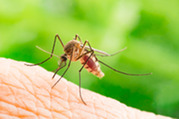
This year, we’ll be paying particularly close attention to the Culex mosquito, carrier of the West Nile virus, which is the most common mosquito-borne disease in the continental United States.
Wisconsin reported over 27 cases of West Nile last year and 25 hospitalizations across 26 counties. The risk of West Nile virus and other mosquito-borne illnesses peaks in late summer, but infections can occur any time mosquitoes are active. You can track West Nile cases on the Wisconsin DHS website. The Bureau of Communicable Diseases has a great factsheet on the illnesses spread by mosquitos, the symptoms, treatment options, and prevention.
|
Additional resources
DHS Bureau of Environmental and Occupational Health
Wisconsin-specific resources
-
Ready Wisconsin has a wide range of information and resources on heat safety and extreme weather.
-
211 Wisconsin has information on local cooling center locations.
-
Wisconsin Home Energy Assistance Program assists income-eligible households with paying electric bills for regular and crisis situations. It also covers some HVAC and weatherization services that can reduce energy use and bills.
-
Focus on Energy has a range of free and income-qualified energy services, rebates, and supplies that can help lower energy usage and bills.
Federal resources
For more information or questions on heat health, please contact the Climate and Health Program at DHSclimate@wi.gov or call 608-266-1120.
|