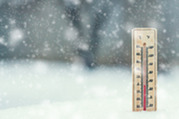
Winter weather is on the way!
DHS has resources to help you prepare
This message is being sent to local public health officers and Tribal health directors.
After a mild fall season, cooler temperatures are in the forecast across the state this week with a possibility of snow in some areas. It's a fitting start to Winter Weather Awareness Week in Wisconsin, which runs from November 18-22.
This winter, National Weather Service (NWS) predicts above-normal precipitation and near-normal temperatures in Wisconsin due to a weaker La Niña. In addition, NWS is also rolling out a new, single extreme cold alert this winter season. It combines the previous cold and wind chill alerts into one category for extreme cold and retires the wind chill alerts.
Read on for more details about the new NWS extreme cold alerts and DHS resources that can help you prepare for and respond to whatever conditions Mother Nature sends our way this winter.
|
Previous NWS cold and wind chill alerts combined into one extreme cold alert
This winter the National Weather Service is combining the previous “wind chill” and "cold" advisories, watches, and warnings into a single extreme cold category. The goal of the single category is to reduce confusion and recognize the real dangers of extreme cold with or without high winds. The cold alerts will continue to provide critical information to all Wisconsinites so they can stay safe during cold weather conditions.
The criteria for each alert category has also changed for certain locations in Wisconsin, but they are still based on the Wind Chill Index. This index is a measure of how cold people feel from the combined effect of wind and cold temperatures and how fast exposed skin loses heat.
Moving forward, NWS will issue cold weather advisories, extreme cold watches, and extreme cold warnings. The location-based threshold criteria are shown in the maps below.

DHS winter weather webpage and toolkit can help you prepare for and respond to winter storms and extreme cold
Updated webpage
The Climate and Health Program is updating our winter weather and extreme cold webpage as we head into the snow and cold season. The webpage features tips to prepare for and stay safe during and after winter storms and extreme cold events. We hope this single webpage will serve as a one-stop shop for the public to access Wisconsin-specific winter health and safety information.
The webpage includes preparedness information on winterizing homes and vehicles and creating emergency kits for both. It also highlights Wisconsin home weatherization and energy assistance programs, including free and low-cost options.
The expanded website also combines winter health and safety information during and after storms, including:
- Checking on neighbors and animals
- Signs of cold illness and people who are most affected
- Winter traveling tips
- Injury prevention
- Winter weather terms and alerts
- Links to additional resources for local and Tribal health departments, parents and caregivers, and health care providers
Toolkits
Updates to our Winter Weather Toolkit are wrapping up soon. Much of the toolkit content was also migrated to the winter weather webpage.
Please reach out at any time if you have suggestions on how we can improve our web content and toolkits.
|
Climate and health adaptation funding available for small rural health departments and CBOs
The National Association of County and City Health Officials (NACCHO) is requesting applications to fund climate change and health adaptation initiatives. One or two local organizations will receive a maximum of $16,000 each. Community-based organizations and city or county health departments are eligible. Experienced small and rural health organizations with a demonstrated funding need will be given preference.
The Request for Application (RFA) submission deadline is December 5, 2024. Awards will be announced on December 17 and the contract will start on February 1, 2025. The Climate and Health Program may be able to provide technical assistance with the application process. Please contact Kate Beardmore, Climate and Health Program Manager, if you are interested in discussing your application.
|