|
|
Dairy Processor Grant – Applications Due November 3, 2026
Grants through this program are available to processors for projects designed to do any of the following: increase production, profitability, processing, marketing, or distribution of Wisconsin dairy products; increase capital investment in the dairy industry; apply new technologies related to dairy production; improve the competitiveness of the Wisconsin dairy industry; make more efficient use of farmland and other agricultural resources for dairy production; and create or retain jobs in the dairy industry. Grants will be awarded for projects up to $50,000 and two years in duration.
Buy Local, Buy Wisconsin Grant – Applications Due November 4, 2026
This economic development program is designed to help the Wisconsin food and agricultural industry find ways to improve food production, processing, marketing, and distribution. This includes grants for projects to create, expand, diversify, or promote any of the following: local food marketing systems and market outlets; local food and cultural tourism routes; production, processing, marketing; and distribution of Wisconsin food products primarily for sale to local purchasers. Grants will be awarded for projects between $5,000 and $50,000 and up to two years in duration.
Tribal Elder Community Food Box Program – Applications Due November 4, 2026
This program is designed to provide grants to nonprofit food assistance organizations for the purpose of purchasing and distributing food to Tribal elders and supporting the growth and operations of food producers and processors from Tribal Nations in Wisconsin, Michigan, Minnesota and Iowa, as well as all Wisconsin food producers and processors.
Export Expansion Grant – Applications Due November 4, 2026
This grant aims to accelerate the growth of Wisconsin dairy, meat, and crop product export through not-for-profit organizations located in Wisconsin. Wisconsin agribusiness associations, technical colleges, universities, and economic development organizations are encouraged to apply. Eligible project expenses include, but are not limited to, travel associated with trade promotion activities, event promotion, marketing materials, advertising, subscriptions, contractor fees, and translation services. Grants will be awarded for meat and crop projects between $25,000 and $50,000 and dairy projects between $25,000 and $100,000.
Spark and Innovation Collaborative Awards – Applications Due January 22, 2027
The Lake Michigan School Food System Innovation Hub fosters collaborations that nourish students, connect schools with local farms and businesses, and reflect the region’s families and communities. Spark Awards fund projects that need a short-term infusion of funds for school food system and marketplace improvements, such as capacity-building, planning, and product testing projects. The application opens October 30, 2026, with an informational webinar being held on November 4, 2026.
USDA Offers Disaster Assistance to Agricultural Producers in Wisconsin Impacted by Drought
Please read the linked USDA news release for information on the technical and financial assistance available to help Wisconsin farmers recover from recent droughts.
|
|
|
Happening Soon! Buy Local, Buy Wisconsin Grant & New Markets Workshop – October 13, 2026 (Viroqua, Wisconsin)
Join staff from DATCP and the Vernon County Economic Development Association to learn more about the Buy Local, Buy Wisconsin Grant program, including how to apply, examples of funded projects, and a Q&A session with grant staff and past recipients. Hosted by the Vernon Economic Development Association at the Food Enterprise Center (1201 North Main Street, Viroqua, WI, 54665), this event will take place from 12:30 to 3:30 p.m. No RSVP is required, but please reach out with any questions to DATCP Organic and Specialty Crops Specialist, Jarret Miles-Kroening, at jarret.mileskroening@wisconsin.gov.
Register Now: Nourishing Wisconsin Conference – November 11, 2026 (Chippewa Falls, Wisconsin)
This second annual Farm to Institution conference, hosted by REAP Food Group and FairShare CSA Coalition, will feature sessions on establishing fair terms, packaging and marketing, product standards, collaborating for local purchasing, and more. A formal networking session will be held at the conference, as well as an informal event the night before to get a chance to make extra connections.
Register Now: Growing Wisconsin Conference – January 17-19, 2027 (Wisconsin Dells, Wisconsin)
The Wisconsin Fresh Fruit and Vegetable Conference is a three-day event that offers educational seminars, networking opportunities and business management strategies to growers of fresh produce and the industries using that produce. Attendees can choose from sessions in seven different tracks.
Applications Open Now: FARMpreneurs Midwest Cohort – March 14-20, 2027 (Waukesha, Wisconsin)
FARMpreneurs is looking for experienced farmers with a bold vision for their farm's next chapter and those ready to deepen their impact and build lasting connections within a peer community. The FARMpreneurs curriculum is most impactful for farmers who have five to 20 years of experience, are running $100K+ businesses, and are on the threshold of meaningful growth that will positively impact their business and community. This may include, but is not limited to, regenerative, organic, regenerative organic, biodynamic, or large-scale acreage transition (certification is not required). The program is tuition free and covers all room and board for selected participants. It is built around a week-long, in-person experience guided by experienced mentors and peers!
|
|
Success for One RFSI Recipient Extends Past the Apple Crunch Season
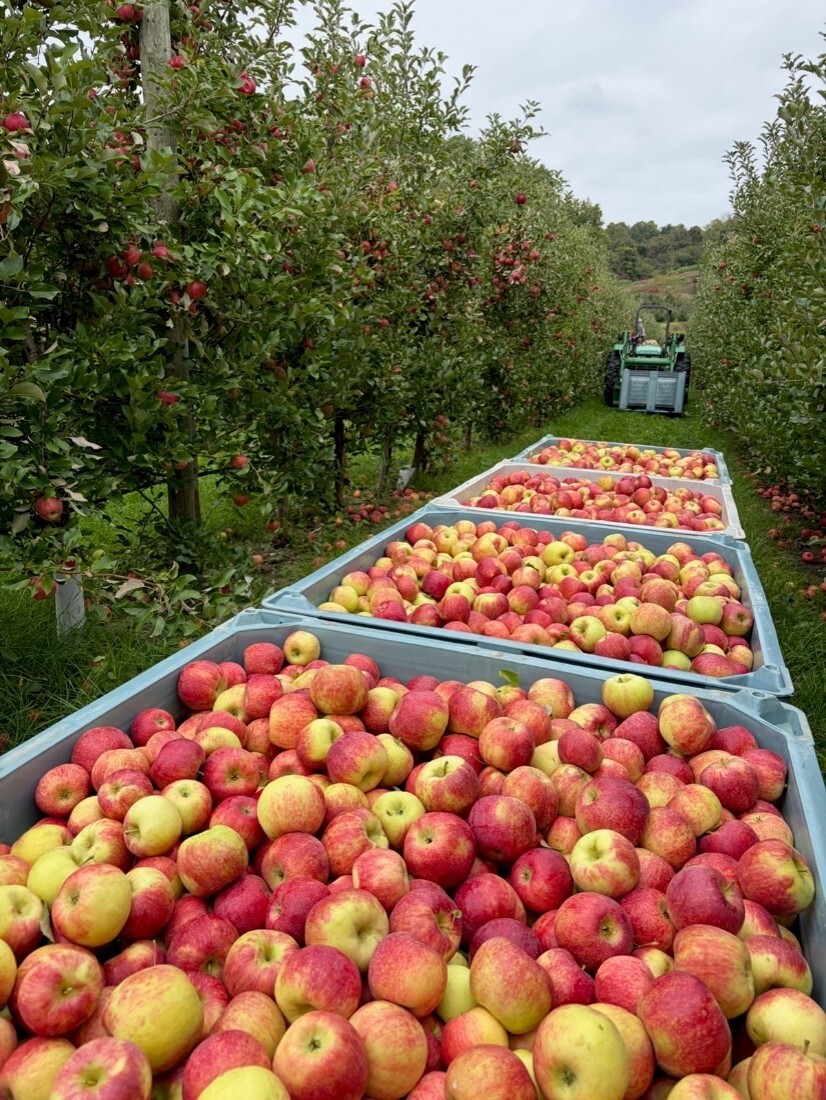
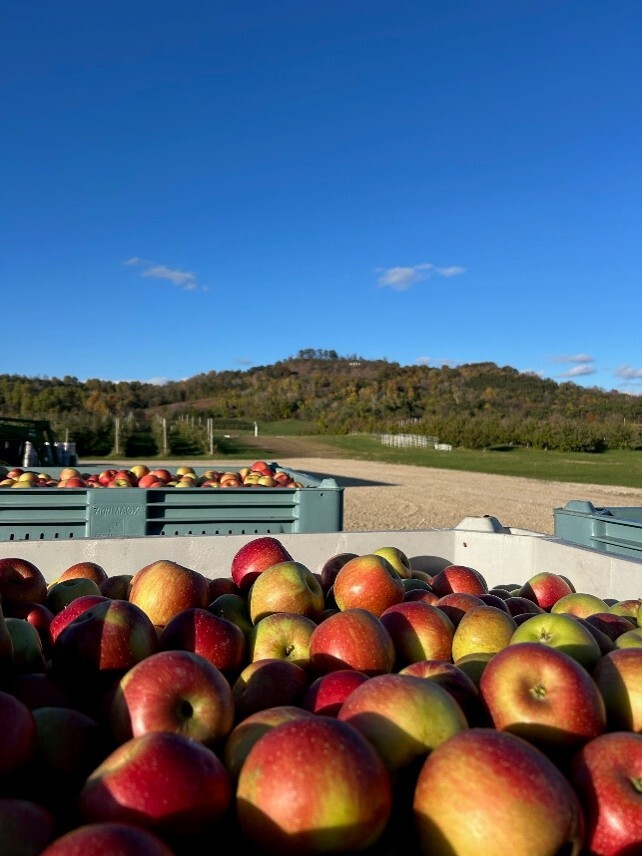
Home to 20 apple cultivars (including Honeycrisp!), Ecker’s Apple Farm has been a family-owned orchard in the heart of Wisconsin’s Driftless Area since 1945. To build resiliency, the Eckers have been diversifying their operations and markets for generations.
Today, Ecker's is a fall destination for customers to meet their local farmers, relax with their families, and enjoy the fruits of the fall harvest both fresh-picked and processed into the farm's own hard cider, pies, and caramel apples. Additionally, visitors can shop at the on-site farm market which features Wisconsin-made products including spreads, honey, maple syrup, soup mixes, and cheese. Customers can also purchase Ecker’s apples and cider locally in two food cooperatives, an independently owned grocer, a locally owned convenience store, and a big box grocery store.
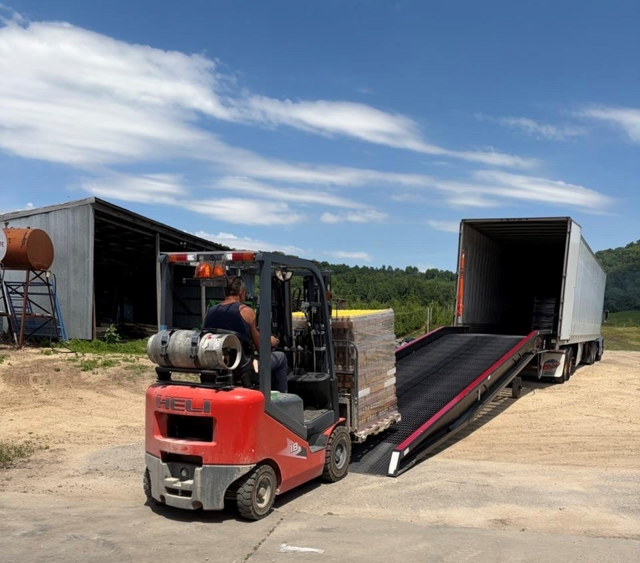
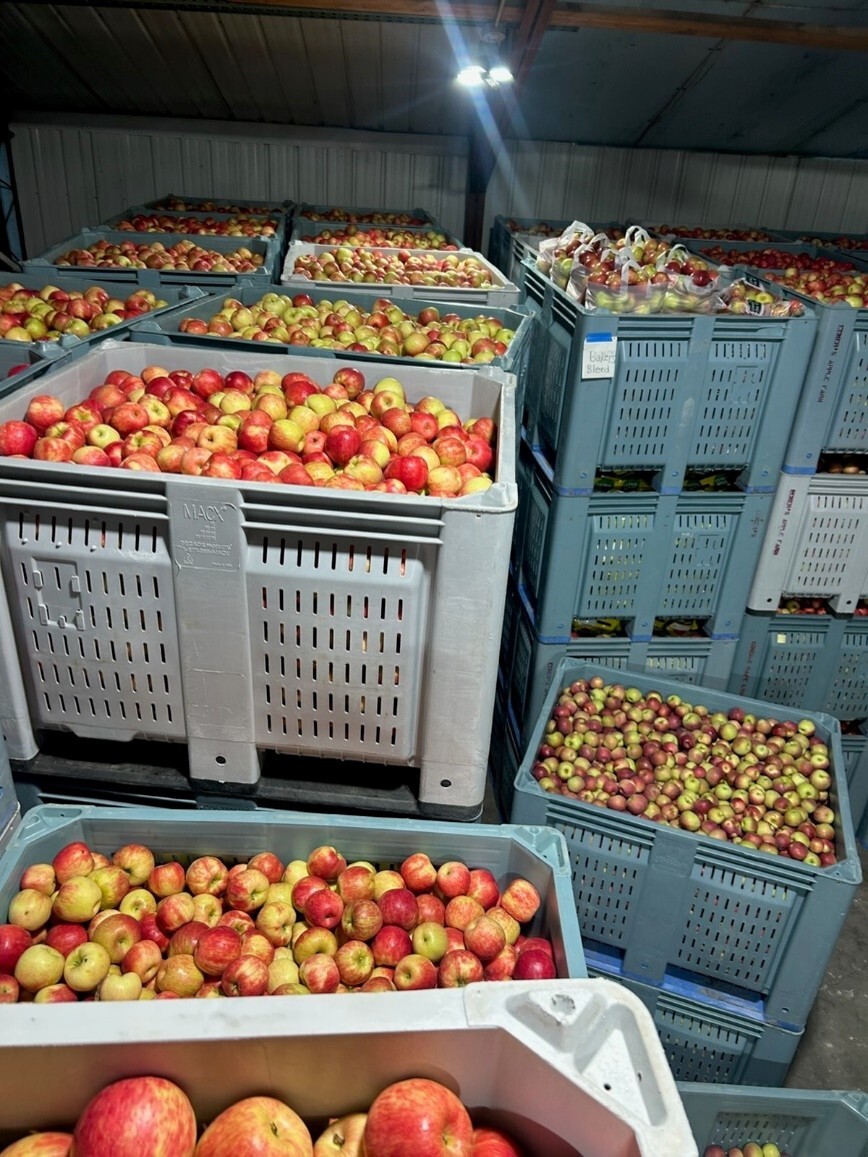
Prior to receiving a grant through the Resilient Food Systems Infrastructure program, Ecker’s also sold and distributed apples to two area school districts. The funding supported them with a few simple equipment upgrades including a forklift, portable loading dock, and improved cold storage. These upgrades not only created efficiencies and significant improvements in worker safety, but enabled the orchard to hire a dedicated delivery driver and distribute to three additional school districts, supplying nearly 13,000 students with locally grown apples.
Orchard manager and farm-to-school coordinator Sara Ecker-Foster said, “This grant helped solidify Ecker's Apple Farm's middle-of-the-supply-chain role. Five other local farms benefitted by processing Ecker’s fruit into juice, storing sweet cider in our cold storage, selling their fruit to Ecker’s to be made into our hard cider, and purchasing our value-added products. The area packinghouse benefitted by receiving our fruit in excellent condition that had been stored in cold storage properly and loaded without bruising the apples. A local, family-owned trucking company benefitted by hauling our apples, juice, and hard cider, and a local brewery benefitted from canning and kegging the new value-added hard ciders.
Finally, this grant helped ease the financial barriers to creating new markets that allow us to directly market our apples and value-added products rather than solely rely on wholesaling the excess crop. This garners significantly higher returns and retains jobs for those who traditionally would have been let go after picking season but can now stay on to help pack the crop. We feel truly lucky to have been able to participate and will continue to find ways to partner and aggregate with other local producers into the future.”
|
|
 This newsletter provides a collection of resources for informational purposes only and is not an exhaustive list. Any websites or hyperlinks included are provided for reference and convenience. The Wisconsin Department of Agriculture, Trade and Consumer Protection (DATCP) does not endorse, guarantee, or assume responsibility for the accuracy, relevance, or completeness of any non-government websites, companies, or applications mentioned.
|
|
|
|
|