|
|
Division of Animal Health
|
New World Screwworm Updates for Wisconsin
As of June 2026, there are confirmed cases of New World Screwworm (NWS) in Texas and New Mexico. Wisconsin does not currently have a confirmed case of NWS.
Access the United States Department of Agriculture (USDA) webpage with confirmed detections of NWS. The Department of Agriculture, Trade and Consumer Protection (DATCP) has also created an NWS webpage with information and resources.
What's New
On July 14, 2026, DATCP issued a temporary movement order modifying the import movements of domestic warm‑blooded animals from states with active NWS‑infested zones. This order, which will go into effect on July 21, 2026, outlines additional requirements for animals originating from or moving through affected areas, including Certificates of Veterinary Inspection (CVIs), inspection statements, treatment details, and DATCP‑approved permits when applicable. Access the release. Access the order.
To support Wisconsin veterinarians, animal owners, and the public, DATCP is also sharing two new resources:
Additionally, per USDA Animal and Plant Health Inspection Service (APHIS), effective immediately, Canada has suspended the export of horses, pigs, cattle, sheep, goats, and other animals from the state of Texas. Access more information from USDA APHIS on this export suspension.
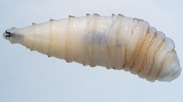
Why New World Screwworm Matters for Wisconsin
NWS larvae (pictured right) infest warm-blooded animals including dogs, livestock, horses, wildlife, and humans. Unlike common maggots, NWS larvae burrow deep into wounds and feed on living tissue, causing painful, enlarging, foul-smelling infections that can be fatal if untreated.
|
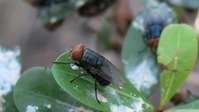
Although NWS has not been detected in Wisconsin, the state regularly receives animals from southern U.S. states, which are most at risk from the advancing pest.
Wisconsin shelters, animal markets, animal dealers, veterinarians, and animal owners must remain vigilant, especially during animal intake or post-travel inspections. Be on the lookout for larvae; adult flies do not need to be monitored as they closely resemble common house flies and blow flies.
Report suspected cases immediately: DATCP Animal Disease Reporting.
Resources
|
|