|
|
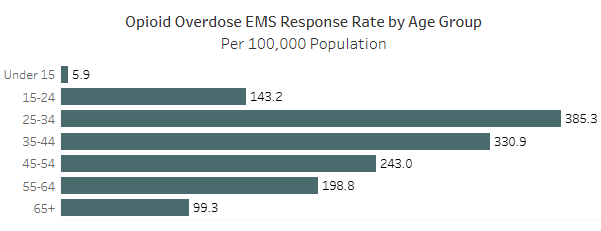
Data from Emergency Medical Services (EMS) has been added to the Snohomish County Opioid Overdose and Prevention Data Dashboard. As not all people that experience an overdose go on to receive care at an emergency department, this new data source will provide more insight into overdoses in the county (with the caveat that it underestimates the true number of overdoses as not all people who experience an overdose receive care from EMS).
Combined with data from hospitals and the medical examiner, EMS data will help highlight patterns in overdoses across the county and paint a more accurate depiction of the volume. The dashboard shows the number of EMS responses for opioid overdoses in Snohomish County by quarter, year, age group, and sex. The dashboard also shows where the overdoses occurred by zip code and by a more granular location (such as home/residence, street, etc.).
 Click image to view dashboard.
|
|
|
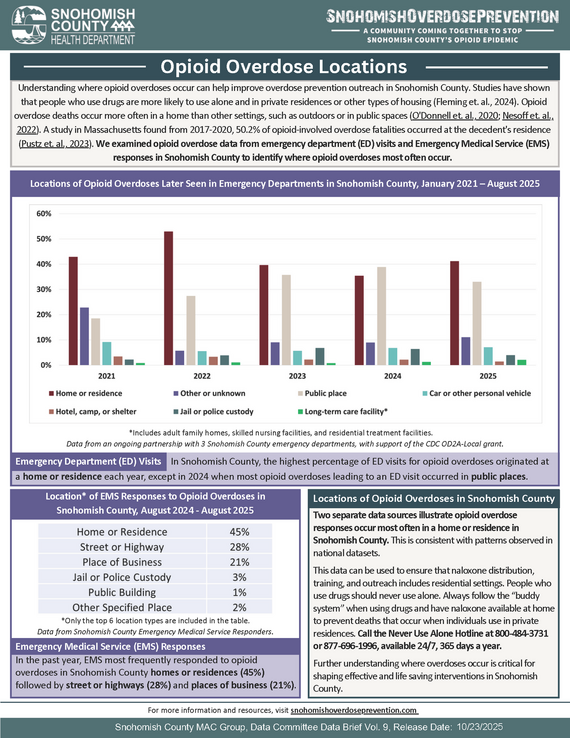
Year after year in Snohomish County, the highest percentage of hospital emergency department visits for opioid overdoses originated at a home or residence. Data show that held true each year except in 2024, when most opioid overdoses resulting in emergency department visits originated public places.
 Click image to accesss data brief online.
|
|
|
Late last year, the Snohomish County Health Department (SCHD) worked with Quinn Thomas and local community partners to launch the “Small Steps” for recovery campaign with the intention of decreasing stigma around substance use disorder and increasing public knowledge of how to take the next step toward recovery. The campaign was developed to provide non-judgmental, strength-based messaging around opioids, overdose, and mental health for a variety of communities in Snohomish County.
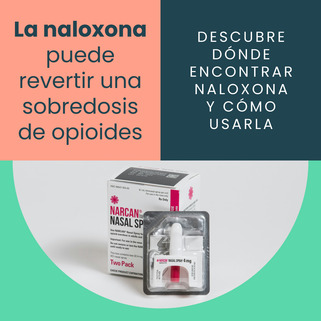
After the very successful performance of the first iteration of this campaign, the Health Department collaborated to expand our campaign by creating new ads and a tailored landing page to reach residents of Snohomish County, specifically parent/guardian figures looking for support with a loved one’s substance use.
During the 90 days the campaign was live, overdose prevention and stigma-reducing messages were shown nearly 4 million times to individuals in Snohomish County.
The campaign drove more traffic to the website than the first iteration of the campaign, sending 20,000 people to the Snohomish Overdose Prevention site. Roughly 96% of those who visited were new users discovering nearby recovery and support resources available to county residents.
The new ads were also transcreated into Spanish and Vietnamese, to ensure that the message would be equally impactful between languages. The Vietnamese and Spanish ads had higher click-through rates than English on both Meta and online advertising, with Vietnamese ads performing especially well, indicating resonance within this group despite the smaller audience size.
To learn more about this campaign and see our campaign’s landing page, visit: https://snohomishoverdoseprevention.com/youth-recovery-resources/
|
|
|
|
People gathered in Arlington on Saturday, Oct. 18, 2025, to celebrate groundbreaking for Freedom Bridge, a new state-of-the-art detoxification center and residential treatment facility from Holman Recovery. The center will “provide compassionate, life-saving care to individuals and families affected by substance use disorders,” according to a social media post from the City of Arlington.
Mayor Don Vanney joined City Councilmember Michele Blythe and other community leaders at the ceremony. Learn more about Holman Recovery.
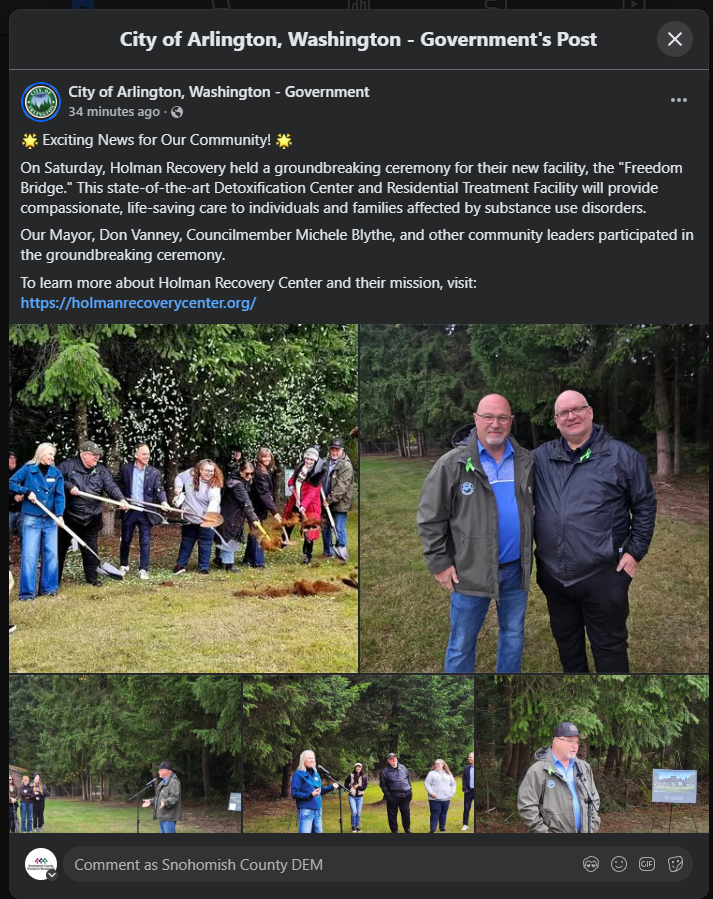 Click image to view post on Facebook.
|
|
|
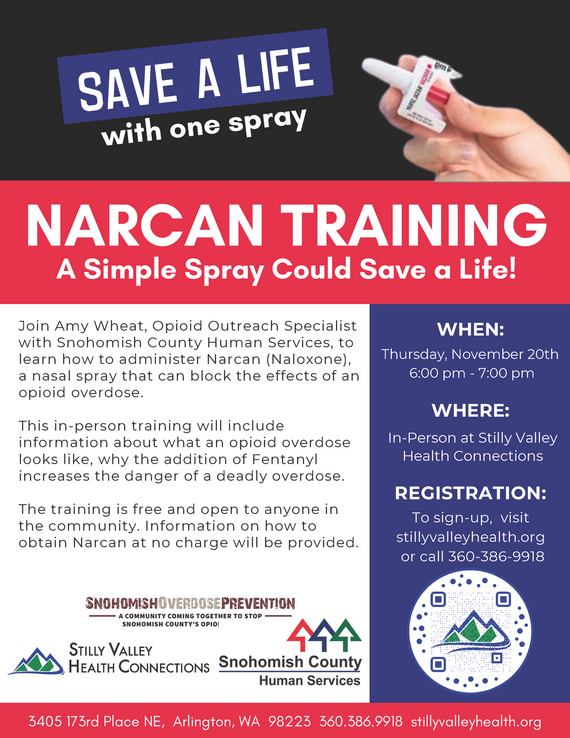
Learn how to save a life through this FREE training, 6 p.m. to 7 p.m. Nov. 20, 2025, in Arlington. Join Amy Wheat, opioid outreach specialist with Snohomish County Human Services, for training on how to administer Narcan (naloxone) to block the effects of an opioid overdose. Learn more at stillyvalleyhealth.org.
|
|
|
|