|
Photo of the Month
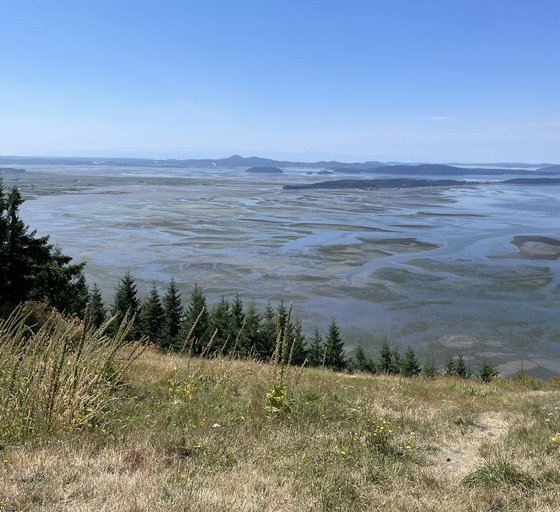 Samish Bay mud flats sprawl under Samish Overlook.

Samish Overlook fans, you might recognize this view! We were lucky enough to get a glimpse of the Samish Bay mud flats during a low tide in July. What a sight!
In the distance (see the photo on the right), you can see rectangular shellfish beds. There are shellfish beds like these throughout the bay, where shellfish farmers grow oysters, clams, and geoducks.
These shellfish are affected by bacteria in the water— too much bacteria can make the them toxic to people. When bacteria levels are too high, shellfish harvest has to shut down. This affects farms, consumers, and economy across the county.
While some of this bacteria comes from wildlife, a lot of it comes from US! Human poop, as well as poop from our dogs and farm animals, add a lot of bacteria to the water every time it rains.
Samish Overlook itself is a source of bacteria. When hikers leave behind dog poop, rain water picks it up and carries it right down the hillside into the bay. But bacteria from poop can travel a long way in our rivers and streams. Pollution from many miles away can eventually reach the bay— and our shellfish!
Whether you're out on a hike or in your own backyard, always scoop it, bag it, and trash it!
|
|
|
|
July continued to bring the “lazy, hazy, crazy days of summer.” The month was drier than normal but had about average temperatures. The Mount Vernon WSU AgWeatherNet station recorded 0.3 inches of rain, which is about 0.6 inches drier than normal. The average temperature was 62.4°F, only 0.1°F below average. Looking ahead, we can expect to see more warm and dry conditions into the fall as the El Niño climate pattern has established over the Pacific.
Routine sampling in July found high bacteria in the Samish Bay watershed at the south Edison drainage, lower Thomas Creek, and Colony Creek. Both Wiseman Creek and lower Coal Creek had high bacteria at the beginning of the month and went dry later in the month, as they normally do in July. In the Padilla Bay watershed, Big Indian Slough also had elevated bacteria levels.
Elevated bacteria levels don't always point to a single source. Instead, they are often from a combination of influences across a watershed. Common sources include pet waste, farm animal manure, failing septic systems, and wildlife. Summer's warm temperatures and low stream flows can make these impacts more apparent.
Our latest bacteria results are available on our interactive water quality map. Be sure to check it out to see conditions across the county!
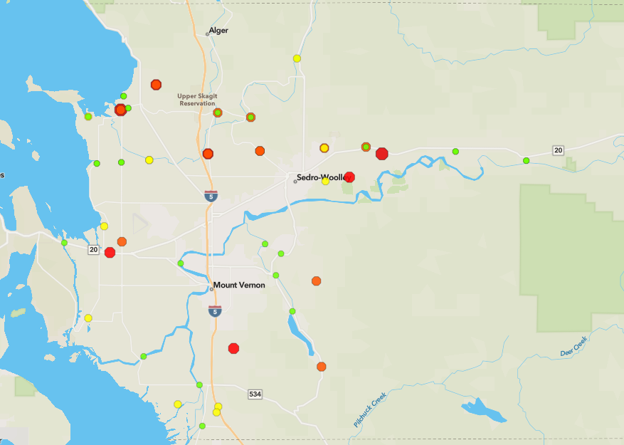 July's water quality results. Red dots represent sites with high levels of fecal bacteria, yellow represents sites with moderate levels of fecal bacteria, and green dots represent sites with low fecal bacteria levels. Click on the map to go to the online water quality map, where you can explore sites in Skagit, Whatcom, and Snohomish Counties.
|
|
Home Tip of the Month
If you're like some of us here in the Natural Resources Division, you're out in the garden every chance you can get! And, if you're like us, you want to make sure that your gardening is family-, wildlife-, and water-friendly!
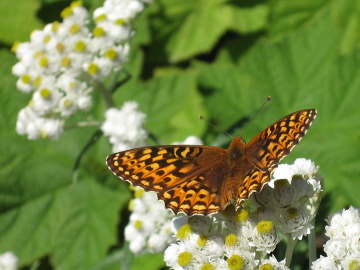
Pesticides and herbicides (bug and weed killers) can harm the health of our soils, plants, wildlife, and families. The good news is that we don’t need those chemicals to grow a healthy, beautiful landscape.
Poison in your yard is poison in our water
Anything you put in your yard can be picked up by rain and washed into our rivers, streams, lakes, and marine waters. Here, chemicals can not only affect humans and pets, but the entire food chain.
Even small amounts of pesticides can kill stream bugs. These bugs feed salmon and other fish, which in turn feed larger animals like river otters, seals, and orcas. If we lose the bugs, all of these other animals are at risk, too.
Reducing chemical use in your yard helps protect human health, water quality, and wildlife. So how can you switch to chemical-free gardening?
1. Set up for success.
If you can set your yard up for success against weeds and insects, you'll need to do less to remove them. You can help out your garden by...
- Building healthy soil with compost and mulch.
-
Choosing pest-resistant plants and put them in the sun and soil conditions they prefer.
- Removing diseased plants to reduce hiding places for insect pests.
- Using a variety of plants, so if pests attack one plant, others can fill its place.
- Pulling weeds before they go to seed and spread.
2. Identify pests before you spray, stomp, or squash.
What you think is a pest may be a beneficial, or helpful, insect that eats pests. Whether it’s a bug, disease, or weed, you should identify it to know how best to manage it.
3. Accept a little damage and give nature time to work.
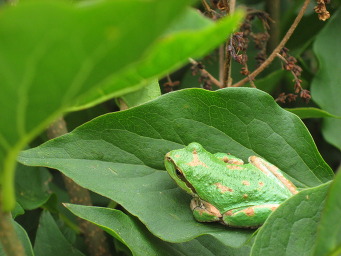
Most insects are beneficial: only about 1-5% of the insects in our gardens are pests. Beneficial insects, like ground beetles, ladybugs, and lacewings help control pests. Don’t spray at the first sign of damage – nature may control it for you. Also, plants often outgrow the damage.
|
4. When needed, use safer alternative products.
Chemical pesticides and herbicides can cause serious harm to people, pets, wildlife, and water quality. Even natural and organic pesticides can harm beneficial insects like pollinators, so use them only if necessary.
Here are a few safer options for controlling weeds and pests:
- Long-handled weed pullers remove deep taproots easily, and hoe-style weeders are effective with shallow-rooted weeds.
- Mulching around trees and shrubs with 2-3 inches of wood chips once a year reduces weeds in beds.
- Hand-picking can be effective for large pests like cabbage loopers, tomato hornworms, and slugs. Colorful sticky traps can be used for flying pests like apple maggot and whitefly. Beer traps can be used to control slugs.
- Less toxic, certified organic products like insecticidal soaps, horticultural oils, and plant-based insecticides are available. Visit growsmartgrowsafe.org for a list of safer products.
5. Handle chemical pesticides and herbicides properly.
Hazardous chemicals should be stored properly, and only used if necessary. For safe disposal, bring them to a hazardous waste collection site. Visit skagitcounty.net/hazwaste to learn about the Skagit Household Hazardous Waste Facility.
Some guidelines for hazardous waste are:
- Keep hazardous products away from children and pets.
- Never mix products. Some mixtures produce a poisonous gas.
- Keep hazardous products away from drains.
- Keep hazardous products away from food items, including vegetable gardens.
- Keep hazardous products in original containers and make sure they have a label.
This information was developed by Seattle Public Utilities and the Hazardous Waste Management Program of King County. Skagit County thanks the City of Seattle and King County for permission to share it.
|
|
|
Farm Tip of the Month
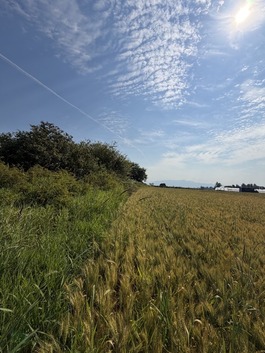
Do you know how much Skagit County has changed in the past 15 years?
Skagit County’s Voluntary Stewardship Program (VSP) tracks the loss of our fish and wildlife habitat critical areas. shows that we've lost around 80 acres of critical habitat in the VSP focus area since 2011.
This loss of habitat doesn’t just damage the health of our water and land. It creates risk for farmers, too. Through VSP, stewardship (doing things to take care of the land) is voluntary in Skagit County. But, if VSP doesn't meet its goals of protecting critical habitat, farmers might face more regulations on their land management practices.
Luckily, every year more Skagit farmers and landowners decide to step up to protect our water, fish, and wildlife!
Landowners in action
Agricultural landowners across the county have planted streamside plants, protected waterways from wandering animals, and reduced the amount of polluted water leaving their properties. Many landowners get financial and technical support for these projects from local organizations. This work benefits everyone downstream and protects the land and water for generations to come.
Thanks to these landowners and programs like Skagit Conservation District, Natural Resources Stewardship Program, and Skagit Fisheries Enhancement Group, we have seen enough restoration and land enhancement to help offset the habitat lost.
Keeping track of hard work
Along with tracking habitat loss, VSP also tracks projects that protect and improve critical habitat!
The work you do on your property to improve soil health and protect water quality makes a big difference, even if you’re not part of a formal program. The choices you make to protect our land and water lead to less regulations for you and other farmers. You can take our online to tell us about how you protect land, soil, and water!
Resources for you
If you are a landowner who is looking for financial or technical assistance, contact Taylor Scott at or 360-630-9355. Funding may be available to help you with practices that protect critical areas, such as fences, riparian management zones or improved pastures and paddocks.
Learn more about the Voluntary Stewardship Program at skagitcounty.net/vsp.
|
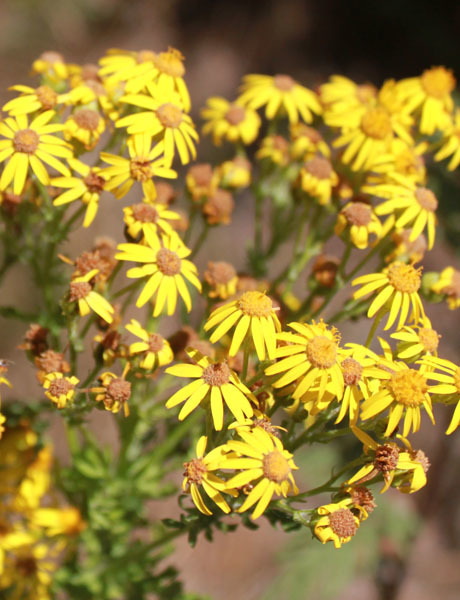
Tansy ragwort is in the hot seat for our Noxious Weed of the Month!
Tansy ragwort is a highly toxic weed that causes huge problems in pastures. It can kill humans and livestock, and even contaminate honey made from its flowers and milk from animals that eat it.
Tansy ragwort is a Class B noxious weed on Washington's quarantine list, meaning it is illegal to buy, sell, or transport. Here's what you need to know to make sure you're not an accomplice to this wicked weed!
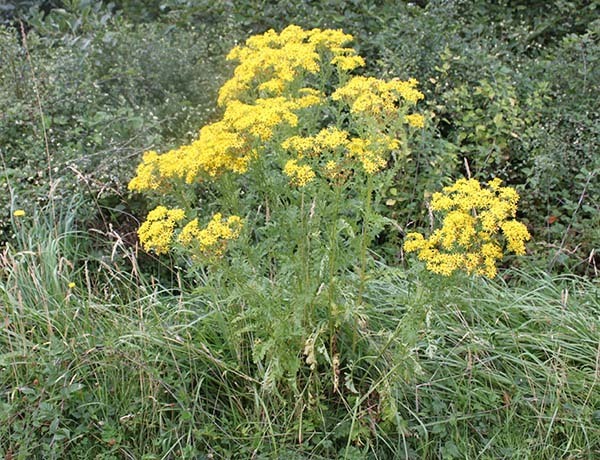
Description: Tansy ragwort is typically a biennial plant, meaning it has a two year lifecycle. In its first year, tansy ragwort only grows as a rosette— a cluster of very ruffled, dark green leaves growing close to the ground. During the second year, the stem will grow and flower.
Tansy ragwort stems get up to 4 feet tall and can grow on their own or in clusters. Stems branch out near the top of the plant.
Ruffled green leaves grow alternately up the stems. Leaves near the top of the plant look sparser and more divided, with more space between leaf sections.
|
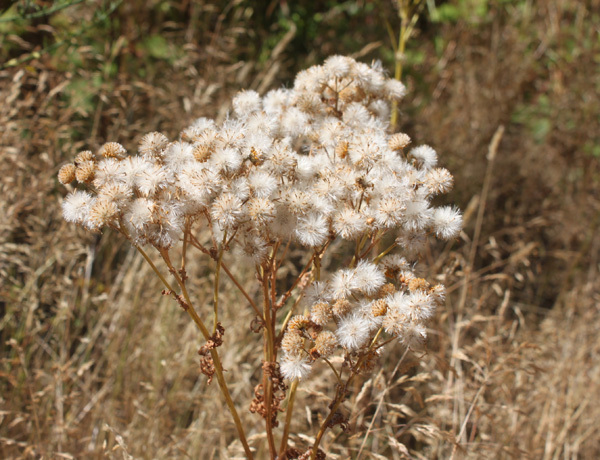
Yellow flowers grow in clusters at the top of the stems. Each small flower consists of a round, bumpy center, which may be slightly brownish or orange, surrounded by 13 narrow yellow petals. When they go to seed, the flowers become round, white or light brown puffballs.
The fluffy seeds make tansy ragwort an especially big problem around roads. Seeds can get picked up and distributed by the wind from passing cars and trucks.
Toxicity: Tansy ragwort is highly toxic to livestock, humans, and pets. It can cause liver and neurological issues that can lead to sickness, coma, or even death. Animal products like milk and honey can become contaminated with toxins from the plant.
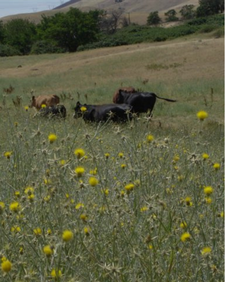
While livestock typically avoids tansy ragwort, it can become a big problem when unintentionally mixed into feed. It also becomes easier for animals to eat when wilted, so plants that have been pulled up and left in the field are dangerous, too.
All parts of the plant are poisonous, but the flowers hold the most toxins.
Control: Good pasture management is an important first step to prevent and reduce tansy ragwort infestations. Keep pastures, fields, and disturbed areas seeded with non-invasive (or even native!) plants to out-compete the weed.
Always wear gloves while working with tansy ragwort, as all parts of the plant are toxic. You can control small infestations by hand pulling the plants, making sure to pull the root as well. Larger infestations may need to be treated with herbicide, as well.
Mowing can help knock down flowerheads before they go to seed, but can also prolong infestations, as mowing tansy ragwort can make it return each year.
Make sure you remove all of the plants you treat or pull up from your field. Put plants, especially flowering heads, in a plastic bag and in the trash.
For more information or for help identifying and controlling tansy ragwort, including by using herbicide, please reach out to our Noxious Weed Coordinator, Evan Emrick, at (360) 707-1502 or evane@co.skagit.wa.us.
Learn more about how to identify tansy ragwort from the Washington State Noxious Weed Control Board.
Photos courtesy of the Washington State Noxious Weed Control Board.
|
|
|
Program News
We're looking for two new representatives to sit on our Noxious Weeds Board! We have vacancies in both District 3 and District 4.
Help us weed 'em out by overseeing noxious weed coordination and being a resource in your community. Noxious Weed Board Meetings are held quarterly. You can help us decide which weeds are targeted for control each year - helping farmers, homeowners, and foresters alike!
Learn more about the Noxious Weeds Board online and reach out to Evan Emrick in our Public Works Department at evane@co.skagit.wa.us if you're interested in applying!
|
Classes and Events
Stormwater Systems Maintenance Workshop, August 12, 6 PM to 8 PM, Skagit Port Commissioners Hearing Room, 15400 Airport Dr, Burlington: Private properties are responsible for maintaining their stormwater facilities. At this FREE workshop, Skagit county Stormwater Coordinator, Jason Quigley, will explain municipal regulations, then Reilly Russell from TRICO Companies will explain how stormwater systems work and what maintenance needs to be done. After they spend some time answering your questions, we'll walk over to view a nearby system and answer more questions.
Summer "Woof Walk" with Skagit Land Trust, August 18, 3 PM or 5 PM, Cumberland Creek Conservation Area: Join Stacy, Sarah, & other Skagit Land Trust community members (& their pups) for a dog-friendly hike at Cumberland Creek Conservation Area. This hike will explore three short trails located in the Conservation Area. The total mileage is up to 3 miles if you do all three trails, but participants are welcome to do a smaller piece of the total hike. Don't forget doggy bags!
Fidalgo Bay Day, September 26, 11 AM to 3 PM, Fidalgo Bay RV Resort, 4701 Fidalgo Bay Rd, Anacortes: Join The Salish Sea School and friends for a FREE, fun, family outing at Fidalgo Bay Day! There will be educational displays from marine conservation groups across the region and activities such as a beach seining demonstration, Forage Fish egg survey, Shannon Point Marine Center portable touch tanks, and FREE samples of local seafood.
Volunteer Opportunities
Skagit Land Trust work parties, August 7 & 14: Volunteer with Skagit Land Trust to remove invasives, plant native shrubs and trees, and maintain important work tools! You can also learn about volunteering through community engagement and community science on the Skagit Land Trust website.
Native Plant Nursery Support, August 14, 9 AM to 12 PM: Help Skagit Fisheries Enhancement Group spruce up their plant nursery by weeding, moving plants around, and removing diseased plants.
Bowman Bay Stewardship, September 8, 10 AM to 12 PM: Join Northwest Straits Foundation for a volunteer work party at Bowman Bay! Spend the morning supporting the ongoing restoration through weeding, spreading mulch, and tending to native vegetation to create a resilient nearshore habitat.
Volunteer at Fidalgo Bay Day, September 26, 11 AM to 3 PM, Fidalgo Bay RV Resort, 4701 Fidalgo Bay Rd, Anacortes: Help The Salish Sea School and friends host Anacortes' annual Fidalgo Bay Day! This free community event fosters public awareness and presents a wonderful opportunity for the Skagit County community to connect and learn about local conservation and stewardship.
Fish Rescue at Restoration Sites, dates TBD: Join Skagit Fisheries Enhancement Group for a Fish Rescue day — a hands-on, hard-working day that plays a critical role in protecting our watershed. Help safely remove fish and amphibians from creeks before construction can begin on fish passage projects.
Salish Sea School Volunteer Opportunities: Whether you’re helping with educational programs, community events, marine conservation projects, or daily operations, your time and talents directly support a thriving Salish Sea where people and nature flourish.
Stream Team: Citizen Water Quality Monitoring: Skagit Conservation District's Stream Team is a network of citizens concerned about the health of local streams. Members are trained to work in teams to collect water quality data on stream reaches located in our priority watersheds: Nookachamps Creek Watershed; Padilla Bay Watershed; and Samish Watershed, as well as sampling stormwater runoff in the cities of Anacortes, Burlington and Mount Vernon. Each team tests for temperature, fecal coliform, turbidity, depth, and dissolved oxygen and averages around 4-6 hours per month.
|
|
Contact Us
For questions or more details, please contact Karen DuBose at kdubose@co.skagit.wa.us or 360-416-1460.
This project has been funded wholly or in part by the United States Environmental Protection Agency under assistance agreement PC01J18001-0 to the Washington Department of Health. The contents of this document do not necessarily reflect the views and policies of the Environmental Protection Agency, nor does mention of trade names or commercial products constitute endorsement or recommendation for use.
|
|
|
|
|