Ask a Master Recycler
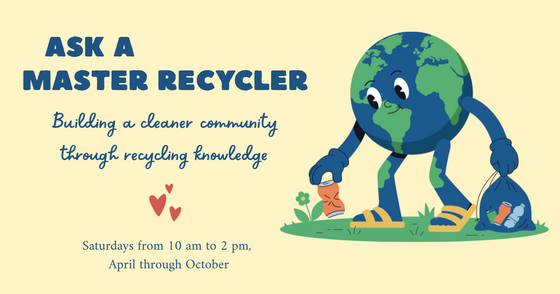 Get your recycling questions answered
|
Skagit County Master Composter Recyclers will be available one Saturday each month from April through October, 10 a.m. to 2 p.m., at the Skagit County Transfer & Recycling Center (14104 Ovenell Rd, Mount Vernon). Stationed in the recycling area staff shed, they’ll answer residents’ questions while you drop off materials at the free recycling drop-off area. Stop by to pick up helpful tips, learn what belongs in your recycling bin, and make your recycling routine easier and more effective!
Upcoming Summer Dates to Ask a Master Recycler:
- Saturday, July 25th
- Saturday, August 22nd
|
|
 |
Reduction, Reuse & Repair Tip of the Month
Small actions that reduce waste, with ideas for reusing and repairing along the way.
Welcome Back, Plastic Free July!
|
Here in Skagit County, we're lucky to be surrounded by rivers, streams, lakes, beaches, and shoreline. These special places are part of what makes our community unique. But when plastic is littered—or escapes from an overflowing trash can at a park, beach, or community event—it can be carried by wind and rain into storm drains, creeks, rivers, and eventually larger bodies of water. Plastic debris can also accidentally fall from garbage trucks or be placed in the wrong bin, allowing it to travel into natural areas where it can pollute for years.
That's where Plastic Free July comes in! This worldwide challenge encourages people to make small, simple changes to reduce their use of single-use plastics. The goal isn't to be perfect—it's to try something new and discover reusable options that fit your everyday life. Many people find that the habits they build in July stick with them long after the month is over.
Ready to join the challenge? Start by taking the Plastic Free July Pledge and choose one or two single-use plastic items to replace with reusable alternatives. Bring a reusable shopping bag, carry a refillable water bottle, pack your lunch in reusable containers, or say "no thanks" to disposable utensils when ordering takeout. Every small change helps keep plastic out of our environment.
Not sure where to begin? The Plastic Free July website is packed with easy ideas for reducing single-use plastics at home, work, school, and on the go. You'll find practical swaps, helpful tips, and plenty of inspiration to make choosing reusable options simple. Once you've mastered the basics, you can take the next step by replacing single-use plastics in even more areas of your home.
This July, choose one small swap, take the pledge, and help protect the places that make Skagit County such a wonderful place to live, work, and explore. Together, our small actions can make a big difference.
|
|
 |
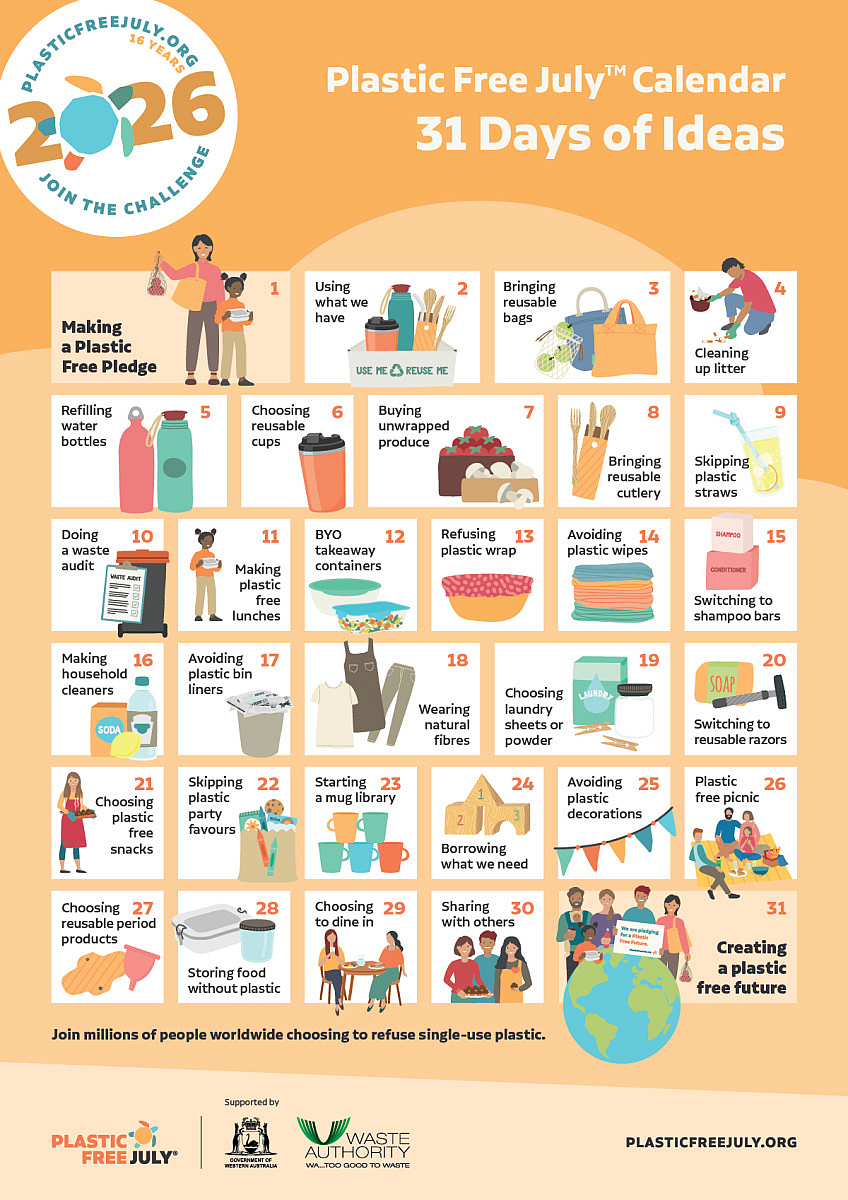 To view a copy of the 2026 Plastic Free July Calendar 31 Days of Ideas, visit the website.
Simple tips to help you recycle the right way and stay informed about upcoming changes.
Battery Recycling in Skagit County: Small Power, Big Responsibility
|
Batteries may be small, but they pack a surprising punch—and not always in a good way when they end up in the wrong place. From remotes and toys to phones and power tools, batteries are part of daily life. But when they’re tossed in the trash or curbside recycling, they can cause serious problems, including fires in garbage trucks, recycling facilities, and landfills. Damaged or crushed lithium batteries are especially risky and can ignite without warning.
In Skagit County, residents can safely recycle many household batteries at the Household Hazardous Waste (HHW) Facility located at the Skagit County Transfer & Recycling Station in Mount Vernon. The HHW Facility is open for household drop-off Monday through Friday, 10:00 a.m. to 4:00 p.m. and the same hours on the first Saturday of every month.
Accepted batteries include rechargeable batteries (such as those from phones, laptops, and power tools), lithium batteries, button batteries, and vehicle batteries. These batteries often contain materials like lithium, lead, or cadmium, which can be hazardous to people and the environment if not handled properly.
To make recycling even easier, residents can also use The Battery Network, a national recycling program that connects people with convenient drop-off locations for many types of batteries and battery-containing devices. It’s a helpful option for finding additional nearby collection sites beyond our County HHW facility.
|
|
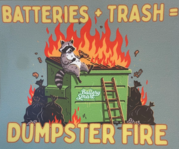 |
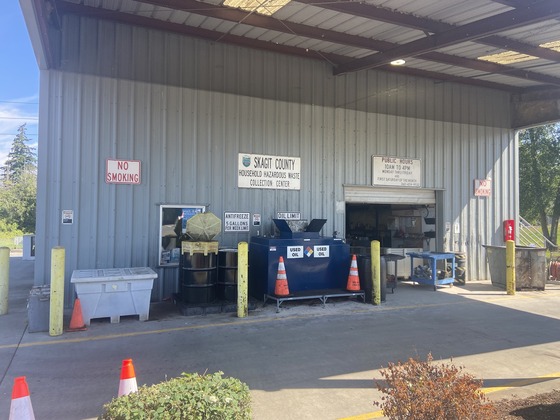 Photo: Skagit County Household Hazardous Waste Facility
A Note on Single-Use Batteries
Primary (single-use) batteries are designed for one-time use and are not rechargeable. They power many everyday devices and include alkaline (AAA, AA, C, D, and 9V), lithium primary, and coin/button cell batteries.
For safe handling at home before drop-off, lithium batteries should have their ends taped or be placed in separate plastic bags to reduce the risk of sparks or accidental contact. For step-by-step guidance, see How to Avoid the Spark from The Battery Network.
Alkaline single-use batteries (such as AA, AAA, C, D, and 9-volt batteries commonly found in household items) are not accepted for recycling at Skagit County Household Hazardous Waste and are considered trash at the facility. The nearest drop-off location for recycling these batteries is Lowe’s in Bellingham.
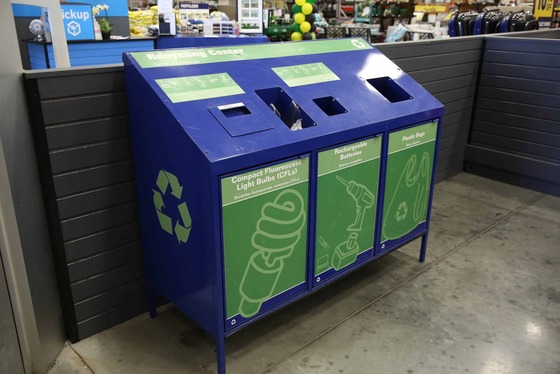 Photo: Lowe's recycling drop-off center
Organics Tip of the Month
A quick guide to new organics rules, with tips for everyday composting.
Compost: A Natural Way to Save Water
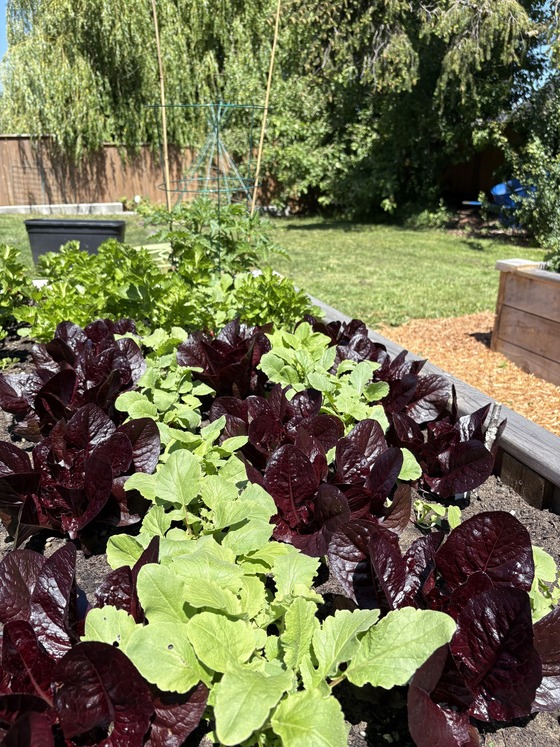 Photo: A lush raised bed growing strong with locally made, biochar-enhanced compost.
Summer gardens can be thirsty, but compost can help! Compost is made from decomposed organic materials like food scraps, leaves, grass clippings, and other yard waste. When added to your garden, it acts like a sponge, helping soil hold more moisture so plants stay hydrated longer between waterings. In fact, research has found that adding compost to soil can increase its water-holding capacity by as much as 250%, allowing plants to stay hydrated longer and reducing how often you need to water. Compost also improves soil structure, helping water soak into the root zone instead of running off or evaporating. Over time, it builds healthier soil, supports beneficial microbes, and grows stronger, more drought-resilient plants. Better yet, making compost at home turns food scraps and yard waste into a free, nutrient-rich soil amendment while keeping valuable organic materials out of the landfill.
Along with adding compost, pairing your garden with smart watering habits and climate-ready plant choices can make a big difference during dry summer months. The Washington Department of Ecology recommends simple water-saving practices like watering early in the morning to reduce evaporation, using drip or targeted irrigation instead of sprinklers, and grouping plants with similar water needs together so nothing is over- or under-watered.
You can also reduce long-term water use by choosing drought-tolerant native plants that are naturally adapted to the Pacific Northwest climate. Plants such as Oregon grape, red flowering currant, and salal are well-suited to dry summer conditions once established, and they typically require less irrigation than traditional landscape plants. When combined with compost-amended soil, these plants establish stronger root systems and help create landscapes that stay healthier with less water overall. The Skagit Conservation District offers a helpful list of common native plants, along with additional resources and planting guides specific to Skagit County. You can also learn more through our local Salal Chapter of the Washington Native Plant Society.
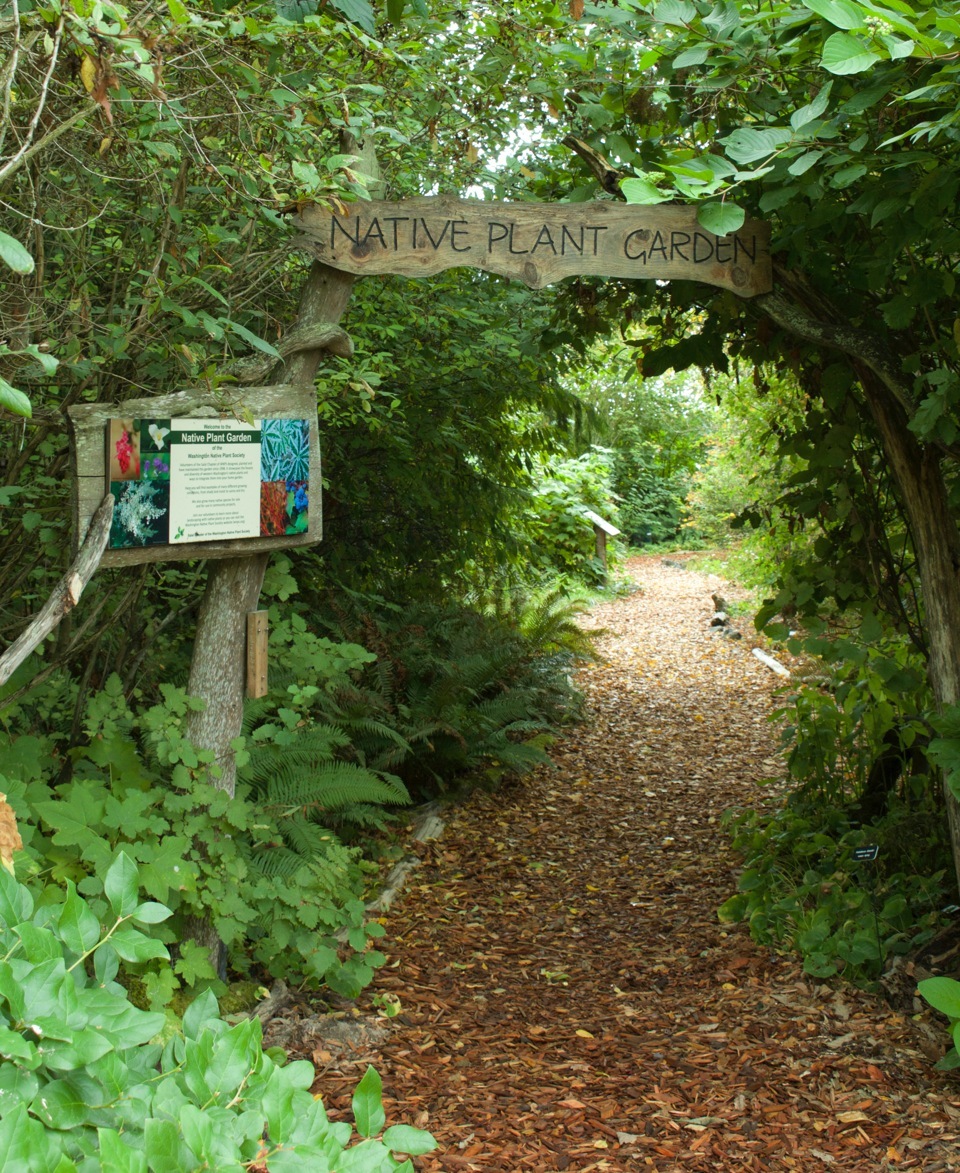 Photo: Looking for native plant inspiration? Visit the Salal Native Plant Garden on Memorial Highway in Mount Vernon to discover the beauty and variety of native plants suited to our local landscape.
A curated mix of what we’re loving, learning, and paying attention to.
By Plastic Free July
Plastic Free July Action Picker is a simple worksheet that helps you choose one easy way to use less single-use plastic. It includes ideas for reusable alternatives and tips to help you get started. We especially like that it shows how each action can help the environment, such as protecting oceans, reducing waste in landfills, or lowering greenhouse gas emissions.
By Rae Ford for Martha Stewart
Confused by all the bags of soil at the garden center? This article explains the differences between potting soil, compost, and topsoil, including when to use each one. Learn why potting soil is best for containers, compost helps improve soil health, and topsoil is ideal for filling low spots and building garden beds. It also shares expert tips to help you avoid common gardening mistakes and choose the right product for healthier plants.
By Rebecca Prince-Ruiz and Joanna Atherfold Finn
Plastic Free tells the story of how the Plastic Free July movement grew from one person's challenge into a global campaign. Through inspiring stories and practical ideas, the book shows how small actions can make a big difference in reducing plastic waste.
By Milo Whitman for Skagit Valley Herald
The New2You Thrift Shop at 1101 S. Second St., Mount Vernon has opened to support the Mount Vernon Senior Center’s campaign for a new senior and community facility. Proceeds from the shop will go toward the building fund for the future center.
Upcoming Events
The event brings together local organizations and youth programs to offer games, hands-on activities, and community resources—all in one place. It’s designed to help families connect with services and opportunities for kids without having to travel far.
Expect a fun, welcoming atmosphere with activities, information booths, and resources for youth and families.
Fix-It Days, July 25, 9 am to 2 pm, Anacortes Farmers Market, 611 R Ave, Anacortes
Help avoid throwing out and replacing broken items! Bring them in and the Transition Fidalgo repair team will evaluate and fix your item, if possible. Examples: appliances, tools, lamps, clothing, and more. When in doubt, bring it in and they’ll gladly assess. Donations to Transition Fidalgo community group for the repairs, are welcome.
Ask a Master Recycler, July 25, 10 am to 2 pm, Skagit County Recycling & Transfer Station
Stationed in the recycling area staff shed, they’ll answer residents’ questions while you drop off materials at the free recycling drop-off area. Stop by to pick up helpful tips, learn what belongs in your recycling bin, and make your recycling routine easier and more effective!
Anacortes Farmers Market, July 25, 9 am to 2 pm, Depot Arts Plaza, Anacortes
Sedro Woolley Farmers Market, July 29, 3 pm to 7 pm, Hammer Heritage Square, Sedro Woolley
Skagit County Fair, August 6th through 9th, 10 am to 10 pm each day, Skagit County Fairgrounds, Mount Vernon

|