Transform Waste Into Wisdom: Master Composter/Recycler Training
 2026 Training Dates
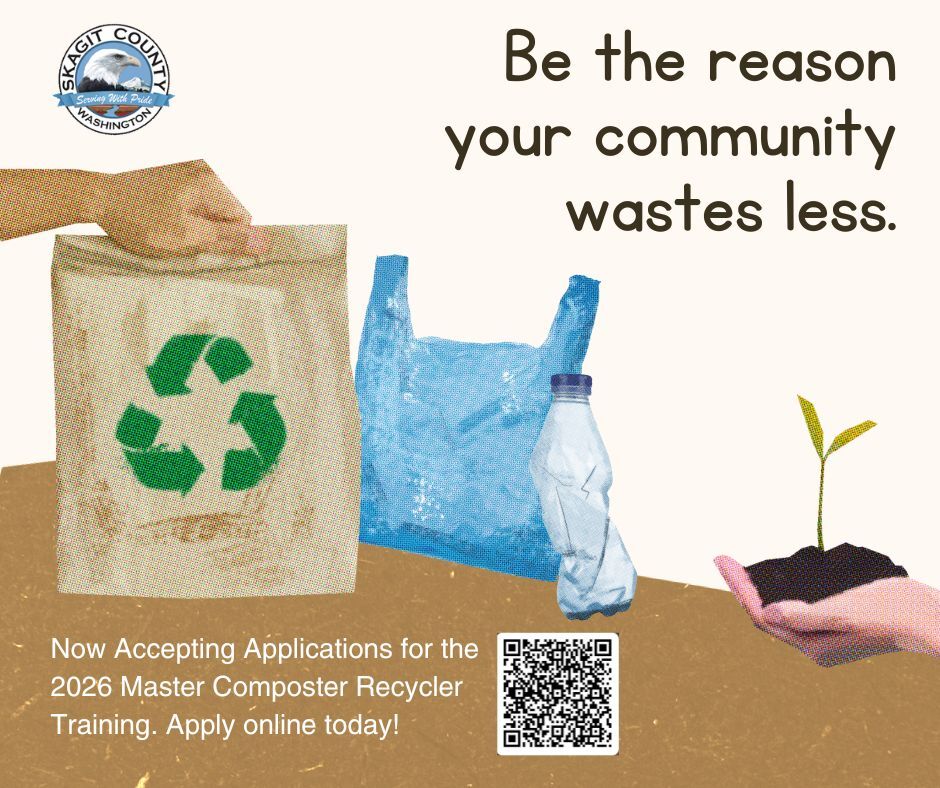
Are you passionate about composting, recycling, and creating a more sustainable future? Here’s your chance to turn that passion into action! The 2026 Master Composter Recycler Volunteer Training is now open for applications.
Training Details:
-
Dates: Thursdays, February 5 – March 26, 2026
-
Time: 2:00 – 4:30 p.m.
-
Location: Skagit County Commissioners Building, Mount Vernon
-
Format: Eight Thursday afternoon classroom sessions + two Saturday field trips
-
Perks: Training notebook, two free books on waste reduction, official name badge
What You’ll Learn:
Explore the world of composting (backyard & vermicomposting), recycling, waste reduction, sustainable living, green cleaning, and more. Gain practical tools to share with your community as an official waste reduction educator.
Volunteer & Give Back:
Once certified, you’ll “pay it forward” by completing 24 hours of volunteer service—tabling at local events, maintaining compost demo sites, hosting worm workshops, and spreading knowledge to neighbors and community groups.
Important Info:
-
Eligibility: Skagit County residents only
-
Application Deadline: Friday, January 23, 2026
- Not a Skagit resident? Contact your local county offices or WSU Extension for similar programs.
Join a vibrant community of sustainability champions and help Skagit County compost, recycle, and reduce waste—one step at a time! Join the program apply here!
Free Flood Debris Disposal – Ends Friday, January 16
Households affected by recent flooding have been able to drop off debris for free at the following locations, with free disposal available through Friday, January 16, 2026:
Skagit County Recycling & Transfer Station – 14104 Ovenell Rd, Mount Vernon
Hours: Mon–Sun, 8:30 a.m.–6:00 p.m. (Closed New Year’s Day)
✅ Accepted: drywall, insulation, flooring/carpet, furniture, appliances*, similar flood-damaged items, select household hazardous waste*
❌ Not accepted: tires, vehicles, asbestos, regular trash, undamaged items, trees/woody debris
*Separate appliances and household hazardous waste from other debris. Household hazardous waste accepted Mon–Fri, 10 a.m.–4 p.m.
Sauk Transfer Station – 50796 State Route 20, Concrete (small loads only)
Hours: Thu–Sun, 9 a.m.–5 p.m. (Closed New Year’s Day)
Free disposal available through Friday, January 16, 2026
For questions about Skagit County Transfer Stations, call 360-416-1570.
Lautenbach Recycling – 13260 Ball Road, Mount Vernon, 360-757-4000
Also accepting flood debris for free: wood (untreated only), concrete, asphalt, appliances, sticks/limbs/brush/yard debris.
⚠️ Reminder: Friday, January 16, 2026, is the last day for free flood debris disposal—please plan accordingly.
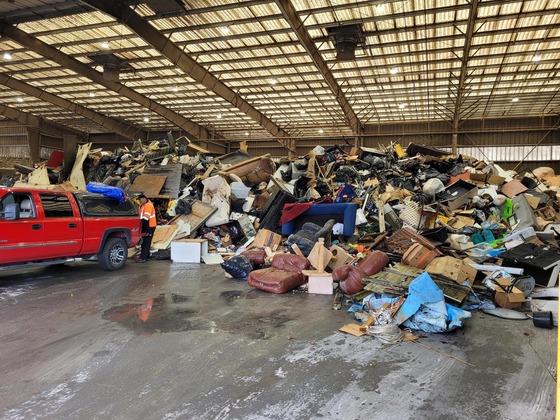 New Solid Waste Rates Began January 1st
Starting January 1, 2026, disposal rates at Skagit County transfer stations increased. The Solid Waste Division, funded entirely by user fees, regularly reviewed rates to cover operational costs, including long-haul transport. Annual adjustments of 2–3% were planned through 2030, with minimum charges at the Sauk and Ovenell transfer stations rising by $1 per year, reaching $30 by 2028.
2026 Rate Highlights:
-
General waste: $141 per ton at the Skagit County Transfer & Recycling Station and the Sauk Transfer Station
-
Minimum charge: $28 for the first 380 pounds
-
Clear Lake Compactor Site: 32-gallon garbage can remained $9
-
Appliances: $13 per item; $34 for items containing freon
-
Recycling and household hazardous waste: Free for households
For full details, visit Skagit County Solid Waste.
Ask a Recycler
 |
|
Dear Skagit County Solid Waste,
I’m a Skagit County resident with a quick question about recycling.
As we head into 2026, are there any updates or changes to curbside or residential recycling that residents should know about? Have any materials been added, removed, or handled differently this year?
Thanks for keeping us informed, and I appreciate the work you do for our community.
- Recycling Right
|
Dear Recycling Right,
Thank you for reaching out with your recycling question! We’re happy to share what’s new for 2026.
Most of the materials you already recycle—like cardboard, paper, aluminum, glass, plastics, and metals—haven’t changed. However, there are a few updates that make recycling easier and more convenient:
-
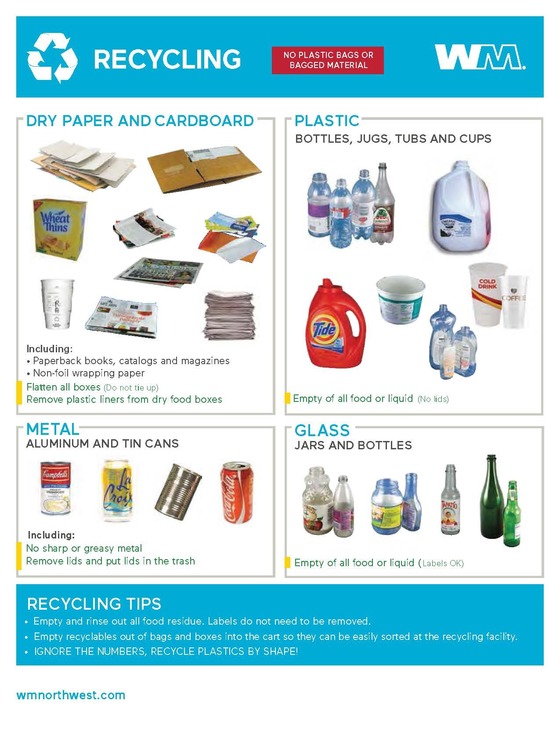
Plastic cups can now be recycled in your curbside bin and at county recycling drop-off facilities.
-
Paper cups, such as to-go coffee cups, can now be recycled in curbside bins, as long as their plastic lids are removed.
To make sure your recycling is as effective as possible:
-
Empty and rinse containers of any liquids, or make sure they are dry.
-
Break down cardboard boxes before placing them in collection bins.
-
Remove lids from bottles, tubs, jugs, and cups before recycling. Lids should be placed in the trash.
We encourage you to take a look at the new recycling guidelines sheet below. You’ll see the paper cups and plastic cups that are now accepted, and it’s a great opportunity to review other materials and ensure you’re recycling correctly. Think of the guidelines as your roadmap for recycling right—they make it easier to get it right every time.
Thank you for helping Skagit County recycle responsibly!
- Skagit County Solid Waste
Composting Tip of the Month
Bread Scraps Aren't Just for the Birds
Crusts, heels, and stale bread don’t have to go to waste. Try these simple tips to turn leftovers into tasty meals and reduce kitchen waste.
✔ Store it right
Avoid the fridge — it dries bread out faster. Store bread in a cool, dry spot or a bread box to help it stay fresh longer.
✔ Freeze what you can't use
If you won’t eat it in time, slice and freeze what you don’t need so you can toast or thaw pieces one at a time.
✔ Turn scraps into something delicious
-
Croutons: Cube crusts and stale pieces, toss with a little oil and seasoning, and bake until crispy. Delicious on soups and salads!
-
French toast: Slightly stale bread is perfect for soaking up egg and milk for a custardy breakfast. Yum!
-
Breadcrumbs: Process leftover bread into crumbs for coatings, toppings, or meatloaf.
-
Bread salad or pudding: Use cubes in a panzanella salad or bake them into a sweet bread pudding.
Using ideas like these not only saves food and money—it also helps reduce waste and makes your kitchen more sustainable. For more tips and recipes, check out the full Food Unfolded guide on how to reduce bread waste. We especially love their 7-Day Bread Challenge and plan to add it to our New Year’s resolutions to kick off this month.
Is Bread Compostable?
You might be wondering if bread can be composted—especially if it gets moldy or can’t be eaten. The answer is, yes! Bread is compostable. Bread can be added to your compost bin, where it breaks down and helps create nutrient-rich soil. Just be sure to break it into smaller pieces and mix it with other compost materials to avoid clumping, excess mild growth, or attracting pests.
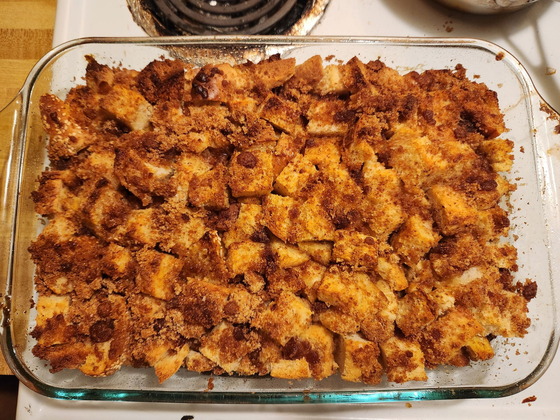
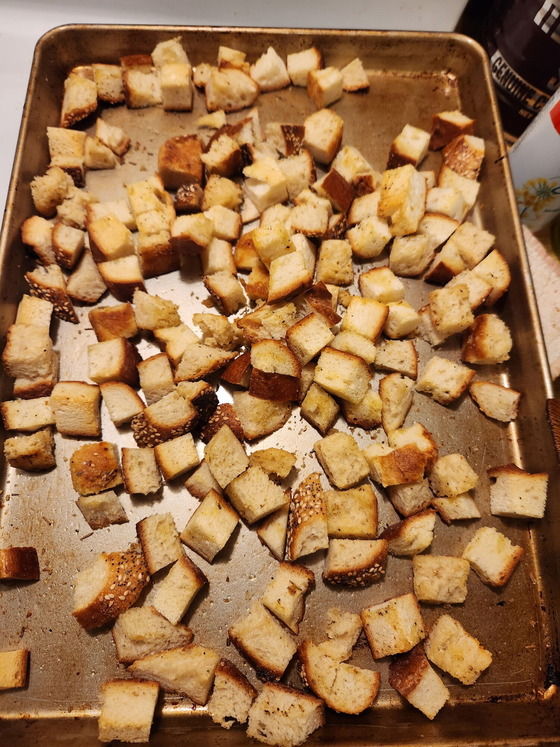 Over the New Year, Solid Waste staff turned frozen leftover bread into a little kitchen magic! Two tasty creations—croutons (pictured above) and French Toast Casserole (pictured below)—might have otherwise gone to waste. The croutons even added the perfect crunch to a cozy winter soup—yum!
By Staff Writer for Tri-Cities Journal of Business
"Beginning January 1, shoppers will see a 4-cent increase in the cost for reusable plastic bags. Avoid that fee altogether by bringing your own bags."
By Nate Clark for ReFED
2025 brought historic progress in reducing U.S. food waste, from new federal legislation to national initiatives, and ReFED highlights key trends to watch in 2026.
By WM for Waste Management Northwest
Starting this month, WM Recycling can now process paper and plastic to-go cups, making recycling easier, reducing contamination, and expanding options for customers.
Upcoming Events
Each season the Solid Waste Division's Education & Outreach team offers chances to learn methods for making less garbage. We'll also highlight other local events focused on reducing waste, repair and repurposing materials. Get your recycling, composting, and waste reduction questions answered, and take home materials to help you succeed. Catch us this month at a local event or free workshop near you!
In- Person Events
This event explores how biochar transforms biomass waste into a long-term carbon removal solution. We’ll cover the science behind biochar, the growth of carbon removal markets, and real-world lessons from commercial deployment—highlighting what it takes to scale biochar equitably and effectively as a climate mitigation tool.
📅 Date: Tuesday, January 13
⏰ Time: 4:00 - 5:30 PM
📍 Location: In-Person at WWU in Science Lecture Room 150 & Online on Zoom
💲 Registration Fee: Free, register here
2026 Storming the Sound
Storming the Sound is a conference for environmental educators in the north Puget Sound region, including Whatcom, Skagit, Snohomish, Island, Jefferson, and San Juan counties. Every January, teachers, students, and environmental organizations come together to share knowledge, ideas, and best practices in environmental education.
📅 Date: Friday, January 23
⏰ Time: 8:30 AM – 4:30 PM
📍 Location: Skagit Valley College
💲 Registration Fee: $20 (pay online or in cash at the door)
Register now—registration is open through January 19. Please register HERE, regardless of your payment method.
Learn more on the Storming the Sound webpage
2026 Salish Sea Stewards Volunteer Training
The Salish Sea Stewards program is now accepting applications for its 2026 volunteer training! This free program offers about 40 hours of community science training on the marine environment, followed by a one-year volunteer commitment of 40 hours to help protect the Salish Sea.
📅 Dates: Tuesdays, February 10 – April 14, 2026
⏰ Time: 1:00 PM – 5:00 PM
📍 Location: Padilla Bay National Estuarine Research Reserve, 10441 Bayview-Edison Rd, Mount Vernon
💲 Registration: Free! Limited to 26 participants, first come, first served. Register by January 31, 2026 to secure your spot.
Learn from local experts through lectures and hands-on field experiences, and stay connected after graduation with volunteer opportunities, events, and continuing education.
📧 Register or learn more: salishseastewards@gmail.com
2026 Country Living Expo
Grow your skills, build your farm, and connect with a vibrant homesteading community! Join the Northwest’s premier hands-on learning event for farmers, gardeners, homesteaders, and rural dreamers.
📅 Date: Saturday, January 31, 2026
📍 Location: Stanwood High School
💲 Cost: $85
Why Attend?
-
Learn Hands-On: Workshops and demos with live animals, tools, and food.
-
Connect with Experts: Get advice, feedback, and network with regional pros.
-
Build Community: Panels, clubs, and youth programs for 4-H & FFA participants.
Sample Topics:
-
Homesteading & DIY: Solar, root cellars, farm construction
-
Livestock & Farming: Sheep, goats, poultry, and waste management
-
Gardening & Food: Tomatoes, edible landscaping, seed saving
-
Home & Kitchen Arts: Sourdough, cheese making, waste-free cooking
-
Sustainability & Nature: Beekeeping, herbs, native trees
From raising goats to fermenting food or building your first root cellar, this is where homesteading skills, inspiration, and community come together.
Register now to get your hands dirty, sharpen your skills, and join the rural renaissance!
|