Solid Waste Hosts Fall Clothing Swap
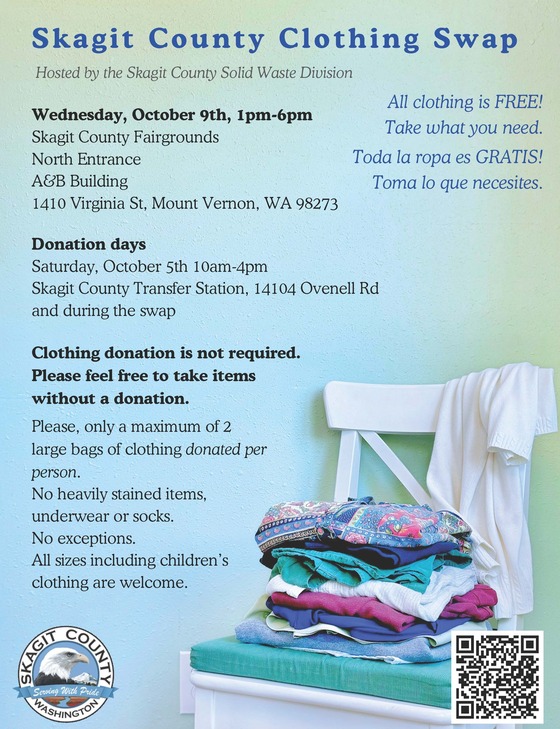
On Wednesday, October 9th, from 1:00 p.m. – 6:00 p.m. the Skagit County Solid Waste Division will host the Skagit County Clothing Swap. The event will take place at the Skagit County Fairgrounds, North Entrance, at 1410 Virginia St, Mount Vernon, WA 98273. The clothing swap will be in A&B Building.
A clothing swap is an exchange and giveaway of donated clothing. Participants are encouraged to bring in clean clothing to swap, donate, or take away. The Solid Waste Division recognizes the impacts of textile waste in the United States. In 2018, 11,300,000 tons of textiles were discarded in landfills (EPA, 2018). To keep clothing out of landfills, these items can be reused and or repurposed. By participating in this event you can help keep textiles out of landfills, reuse and repurpose clothing and textiles, and provide free clothing to residents of the county.
All clothing at the event is free and clothing donation is not required to participate. There is no limit on the amount of clothing a participant can take home. Each participant may donate a maximum of two large bags of clothing for the swap. No heavily stained items, underwear, or socks. No exceptions. All sizes, including children’s clothing, are welcome. There will be no designated changing rooms on site. Pre-registration for the event is appreciated, but not required.
An additional clothing donation day will be offered on Saturday, October 5th, from 10:00 a.m. – 4:00 p.m. in the recycling drop-off area at the Skagit County Transfer & Recycling Station located at 14104 Ovenell Rd, Mount Vernon, WA 98273. October 5th is a donation day only, not a swap. Staff will be on site at the Transfer Station to accept bags of clothing in preparation for the swap on October 9th.
The event on October 9th will offer information about textile waste and best practices for reuse and recycling.
 Changes to Glass Recycling at Skagit County Transfer Stations
Glass will no longer be accepted for recycling at all Skagit County Transfer Stations for the indefinite future starting October 1. Due to a closure of a glass manufacturing facility in Seattle, there is no longer any facility in the area that will take our recycled glass.
Glass from households was previously accepted by residential drop-off at all three transfer stations in the County: Skagit County Recycling and Transfer Station on Ovenell, Clear Lake Compactor Site, and the Sauk Transfer Station. Customers are now advised to dispose of glass containers with household garbage. Glass that has been currently accepted for recycling at the transfer stations will be disposed of in the landfill.
This is a regional issue affecting many counties in our state. A regional bottle manufacturer in Seattle went out of business unexpectedly over the summer, leading to an abrupt decrease in demand for recycled glass. Typically, recycled glass is remade into glass wine and beer bottles. Industry groups have reported a decline in demand for bottles, which has led to less demand for recycled glass material.
This is not currently affecting curbside recycling customers within Skagit County. If you have any questions, please reach out to Margo Gillaspy, Solid Waste Division Manager, at margog@co.skagit.wa.us.
 Image, Resource Recycling
There is no "away" photo
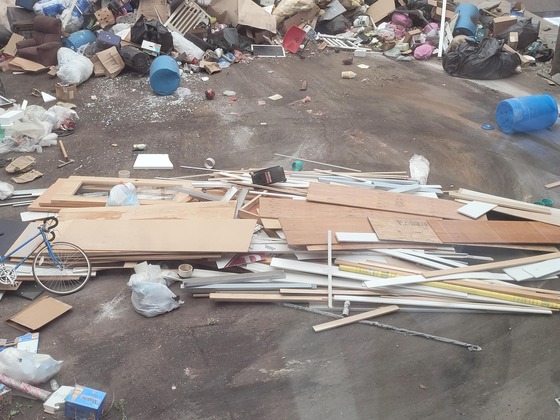
Each month we will post a photo of something we saw that landed on our tipping floor, with the hope of provoking thought about how the item could have been disposed of differently.
 Image, Margo Gillaspy
Untreated Wood
Untreated wood is considered organic waste and is better off being recycled or composted. Untreated wood products can be recycled at Lautenbach Recycling, which is directly next door to the Skagit County Transfer and Recycling Station on Ovenell Rd.
Untreated wood is also a fantastic material for reuse. Local businesses, like Skagit Building Salvage may accept these materials, in good condition for resale and reuse in contruction projects. Another good option is to offer untreated wood to others through Facebook Marketplace, on Facebook free pages, and through Facebook Buy Nothing groups.
Wood that has been treated with chemicals, such as creosote, or that is painted or stained is not recyclable and should be disposed of as garbage.
Recycling Tip Of The Month
Market Forces Are Key to Recycling Success
Just like other things we buy and use, recycling is affected by how the market economy works.
Recycling markets are important for cutting down on waste and promoting a circular economy. These markets collect, process, and sell recyclable materials, which are then made into new products. By keeping stuff out of landfills, recycling markets reduce pollution and greenhouse gases that harm our air, soil, and water. Learning about how recycling markets work helps us see why they matter for both our environment and our economy, and how they impact what we can recycle at home.
Recycling markets include customers like paper mills, metal smelters, and glass factories that buy recyclable materials to make new products. They also help with the money and shipping needed to move recyclables around. Bales of paper, plastic, metal, and glass can be sold nearby, across the country, or even internationally. The price usually depends on how much is available and how many people want it. These bales are traded on a market like other important products, such as oil and coffee.
The Recycled Materials Association (ReMA) sets rules for what makes materials recyclable in the marketplace. The price for each bale depends on how much people want it and how clean it is, which is often shown with a letter grade. For example, Grade A PET plastic bottles may have been 6% contaminated and dirty in February 2020, and were therefore priced at $200.40 per ton.
Another key factor in successful recycling is having local facilities that can manage and sort recyclable materials. These places are called Materials Recovery Facilities, or MRFs. They help sort and prepare things like glass and plastic so they can be sold again. If there isn’t a MRF nearby, it can be really expensive to transport heavy materials like glass. This makes it harder for glass to be recycled, since it’s not economically practical to move it over long distances.
It’s important to know that prices for materials can change over time based on how much is available and how many people want it. Recycling makes the most sense when the price you can sell a material for is higher than the cost of throwing it away or burning it. It all depends on the markets! Understanding these things can help us make better choices for recycling and being kind to the environment.
For an easy to understand, informative overview of recycling markets, check out this video, The Economics of Successful Recycling, produced by the Recycled Materials Association.
 Image, Pexels Images
Repurpose Your Glass Jars and Bottles
Have you ever kept glass jars from pasta sauce or condiments, unsure of what to do with them but not wanting to throw them away? You’re not alone! Glass jars are like little treasures—they're strong, useful, and great for many things around the house. If you’re trying to buy less and cut down on waste while saving a few bucks, your used jars are a goldmine. Here are six wonderful (and practical!) ways to repurpose glass jars.
-
Drinking Glasses. Wine bottles can be used as water carafes!
-
Bulk Food Storage. Decant large quantities of food into glass jars to store in your pantry, try jar based recipes like Overnight Oats or Salad in a Jar, store snacks, and shop for bulk foods by filling your clean glass jars rather than plastic bags.
-
Gift Holder. The holidays are on their way! Hot cocoa mix, anyone?
-
Piggy Bank. Need a place to stash the pennies you've saved from repurposing rather than buying new? Voila! Look no further than a glass jar.
-
Flower Vase. Flowers in a jar embody the perfect charm of county sweetness.
-
Luminary. Reuse gets a glow up with these glass jar luminaries. Try it with fairy lights as well to add warmth and light to any room.
What are some ways you might be repurposing your glass jars? Find us on social media, share a photo, and let us know!
Removing Labels from Glass Jars Before Reusing
Most jars come with sticky labels that can be hard to remove. To make it easier, soak them in hot, soapy water for a few hours to loosen the labels and glue. If there’s still some glue left, apply a bit of olive or vegetable oil, let it sit for a few minutes, then wipe it off and wash the jar well. Have an extra sticky label? Try white vinegar. Soak the jar in white vinegar for at least 15 minutes, or heat the vinegar in the microwave or on the stove. The label should come off easily.
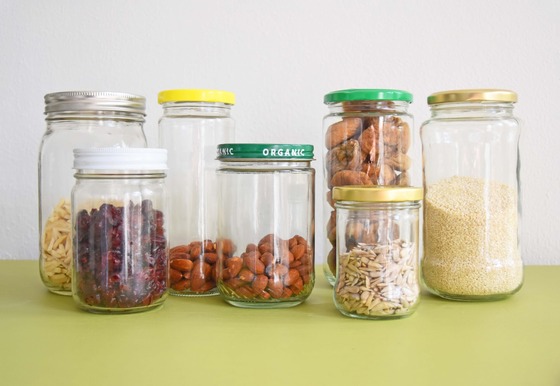 Image, Once Again My Dear Irene
Grow Change from the Ground Up with Community Composting
If backyard composting had a big sister, it would be community composting! Bigger than a backyard compost but smaller than a city composting center, community composting is a fun way for everyone to gather organic materials and make rich compost to help our local soils.
You can find community composting sites all over town, in schools, farms, community gardens, parks, and local organizations; whether you’re in a busy city or a quiet area. These sites can be designed to meet the specific needs of the community. While they may be smaller than large scale composting centers, they can expand by adding more locations or growing existing ones.
Community composting is a great way to recycle organic waste and keep it out of landfills. It also helps improve access and resources, positively addresses climate change, and brings many benefits to our local community.
Environmental Benefits
Community composting helps local soil stay healthy. By composting food scraps and yard waste right in our own neighborhoods, we can return valuable nutrients to gardens, parks, yards, and farms. This also cuts down on greenhouse gas emissions from transporting waste over long distances. Plus, keeping organic materials out of landfills helps reduce methane emissions, which is a harmful greenhouse gas.
Compost improves soil by adding organic matter, slowly releasing nutrients for plants, and helping the soil hold water. It can also prevent soil erosion and clean up polluted land. Using compost helps restore damaged areas and manage stormwater runoff. Overall, composting is a great way to fight climate change by capturing carbon in the soil.
Social Benefits
Community composting brings people together and empowers them. These programs are designed to fit the needs of the community and help fill gaps in composting services. They also create green spaces where people can learn to compost, grow healthy food, reconnect with where food comes from, and enjoy the outdoors. Many community composting projects involve young people and offer job training. They provide chances to volunteer, meet new people, and work together on a common goal.
By getting involved in community composting, people can see organic waste as a valuable resource instead of trash. This resource helps build healthy soil and grow local food, which can improve access to fresh produce and tackle food insecurity. Community composting also teaches skills and knowledge, making communities stronger and better at managing food and waste.
Economic Benefits
Community composting creates jobs and helps the economy. It allows individuals, businesses, and organizations to turn food scraps and yard waste, which were once seen as trash, into useful resources for the community. The composting industry creates more jobs for each ton of material compared to landfilling or burning it. Many community composters are small business owners, helping to create green jobs in their neighborhoods.
When compost is made and used locally, the money and resources stay in the community. This helps grow local food and supports other small businesses. Community composting sites also provide space for education and job training, helping people build skills and grow the green economy.
 Image, Environmental Protection Agency
Learn More About Community Composting
Discover how you can be a force for change by supporting community composting in your Skagit county neighborhood.
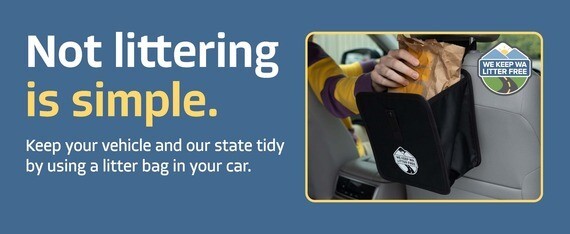 Simple As That Campaign Kicks Off September 13!
Every year, nearly 38 million pounds of litter accumulates on Washington roadways, on-off ramps and public areas. To help reduce littering, we're kicking off the Simple As That (Asi De Simple) campaign this week in partnership with the Washington State Department of Transportation (WSDOT), State Patrol, community-based organizations and retail partners.
Starting September 13, 2024, we’re giving away free, reusable car litter bags at all Washington Fred Meyer Grocery Stores and Rosauers Supermarkets. People can pick them up at the customer service counter, while supplies last.
The campaign includes statewide advertising in English and Spanish and weekend messaging on WSDOT's variable message signs along state highways. You can support the campaign by using resources in the Litter Prevention Partner Toolkit. Under the Simple As That section in the toolkit, you'll find key messages you can use, images for social media and more. Tag us in your social media posts and use #LitterFreeWA!
Litter is a big problem with a simple solution — everyone in Washington doing their part. The Simple As That campaign and its partners are promoting a litter free Washington by encouraging Washingtonians to:
-
Keep a litter bag in your car. Use a litter bag while traveling to keep your vehicle tidy and reduce the chances of littering accidentally when you open a door or window. When visiting parks and other recreation areas, bring a bag with you so it’s easy to pack out what you carried in.
-
Hold on to trash while traveling until you reach your destination or a waste bin at a stop along the way. It may not seem like a big deal to toss the occasional bag or bottle on the ground, but those decisions add up to millions of pounds of litter (and millions of dollars of clean up) every year.
-
Live litter free and help others do the same. Make sure your friends and family know how to live litter free and help them make good choices. When we all look out for each other, it makes a big difference for our state.
Kelle Rankin-Sunter: Community Gardening Educator
"Kelle Rankin-Sunter with Blaine CORE is transforming discarded library totes into worm bins and selling them to benefit the Blaine Library. A worm bin is a composting system that cultivates worms to break down organic matter, creating beneficial liquid and castings that can enrich garden and house plant soil." - Julia Tellman, Local News Reporter, Cascadia Weekly
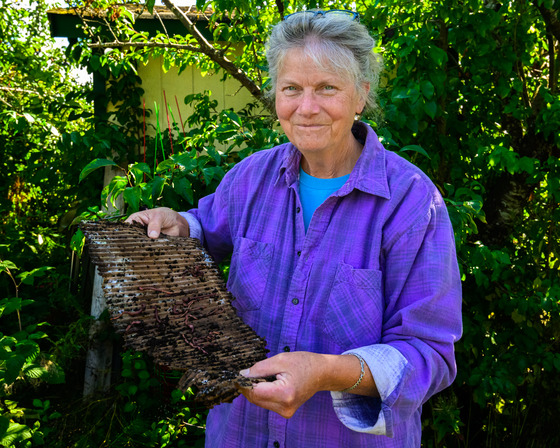 Image, Eric Becker, Cascadia Daily News
Kelle and library staff are calling the repurposed book totes, "Bookworm Bins." Read the full article to find out how you can get one.
 Image, ULINE
See the Impacts of Food Waste Prevention Week
The Center for Sustainable Food Management recently published Results and Impacts from Food Waste Prevention Week 2024. Check out the infographic for quotes, photos, and more from the 116 participants across Washington State. In one week alone, the campaign scored 1.4 million impressions on social media and rescued more than 60 thousand pounds of food. This impact wouldn’t be possible without you!
Upcoming Events
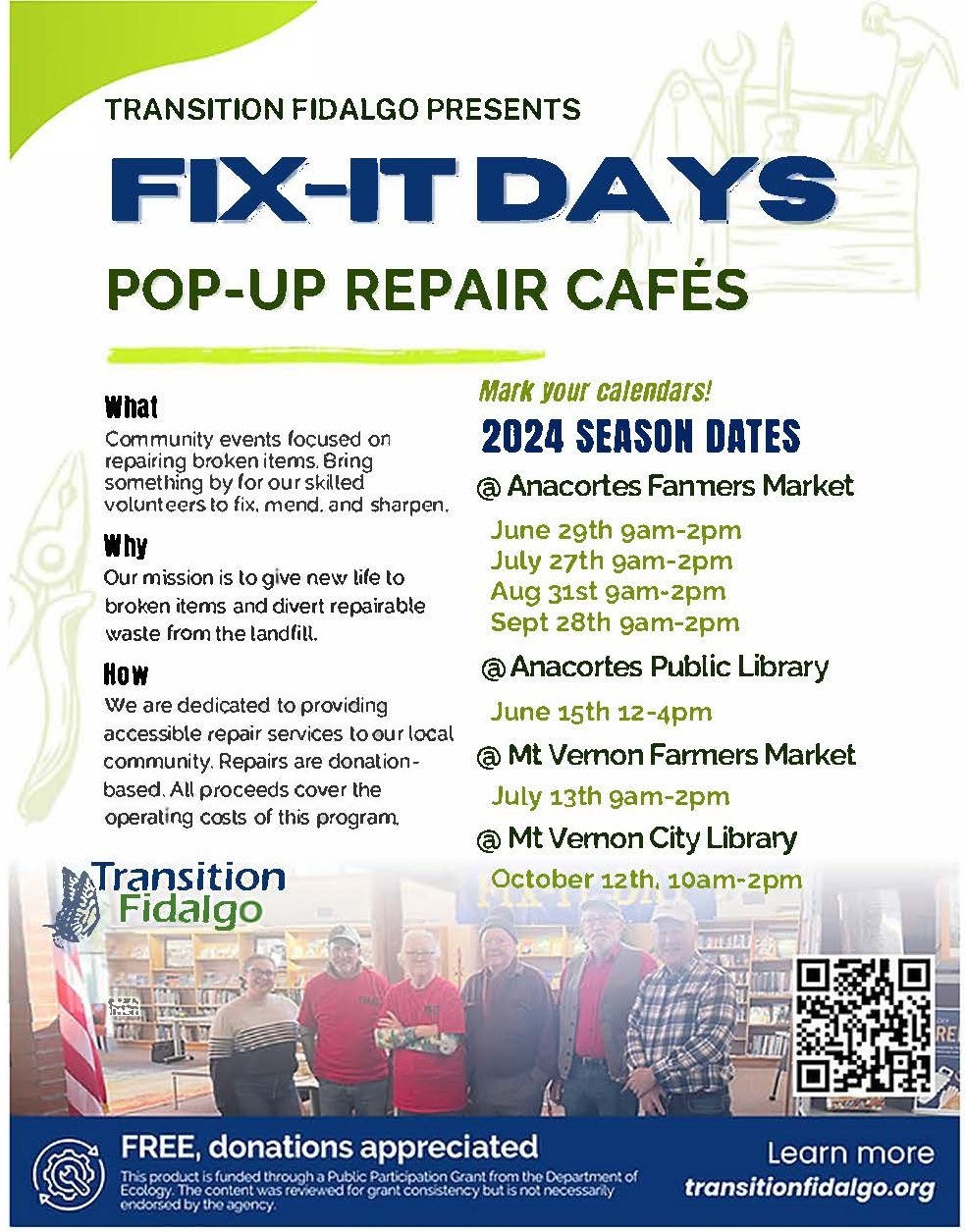
Each season the Solid Waste Division's Education & Outreach team offers chances to learn methods for making less garbage. We'll also highlight other local events focused on reducing waste, repair and repurposing materials. Get your recycling, composting, and waste reduction questions answered, and take home materials to help you succeed. Catch us this month at a local event or free workshop near you!
WSU Extension Worm Chalet Ribbon Cutting
|
This exciting new addition at the WSU Extension Office is not just a worm compost bin but a showcase of their commitment to sustainable practices and soil health. Celebrate with them as they officially unveil the Worm Chalet highlighting their work on food waste prevention and nutrient-rich composting.
Event highlights:
- Take a tour of the Worm Chalet. The Master Gardener team that designed and built it will be on hand to answer questions about its features and benefits.
- Enter a drawing to win "Cooking with Scraps" or a countertop composting bin.
This is a fantastic opportunity to learn more about this innovative project and see how it fits into our broader Program Priorities. It’s going to be a great time. We’d love to see you there!
|
 Skagit County Clothing Swap
Fix It Days
|