|
|

Director's Note—November 2024
I am continually grateful for the opportunity to lead our shared mission: to connect people with resources and solutions during times of need to live, learn, work and take part in strong, healthy communities. None of this is possible without you and our many community partners—those who assist victims of domestic violence and sexual assault, help older adults live independently, empower our young people, provide crucial resources for individuals experiencing homelessness, support families, and connect low-income residents to essential services. I am proud to work with such a caring and compassionate group of people.
National Family Caregivers Month
Speaking of caring and compassionate people, according to the National Alliance for Caregiving and AARP, more than 53 million family members provide unpaid care across the nation. Governor Jay Inslee recently signed a proclamation that reads: “Given the expected increase in the state’s older population, the workforce challenges we face, and the population shifts that will decrease the number of family members available to care for their older relatives, we must provide comprehensive support for family caregivers.”
In honor of National Family Caregivers Month, we join the National Council on Aging in raising awareness and celebrating caregivers. This is a time to advocate for their needs, educate communities on the challenges they face, and push to increase support for their essential role.
Native American Heritage Month
November is also Native American Heritage Month, a time to deepen our understanding and appreciation of the contributions Native Americans, Alaska Natives, Native Hawaiians, and Indigenous communities have made throughout our nation’s history. We recently celebrated Indigenous Peoples Day, and this month provides us additional opportunity to honor the lasting impact of these cultures.
Visit the National Endowment for the Humanities site which is full of resources spotlighting the heritage and stories of the over five million people who identify as American Indian in the United States.
In community,
|
HSD Welcomes Ann Gorman, new Senior Policy Advisor
We are pleased to welcome Ann Gorman as the Seattle Human Service Department’s new Senior Policy Advisor. Ann joins us from the Seattle City Council Central Staff, bringing extensive experience in policy development within the legislative department. In her role, Ann will serve as the City’s lead on public health, shaping and advancing our collective efforts to address Seattle’s most pressing challenges.
Working closely with Jeff Sakuma, HSD’s Integrated Health Strategist, Ann and this dedicated team will collaborate with the Mayor’s Office, City Council, other City departments, neighboring municipalities, and community leaders to ensure a unified approach to public health. Through these partnerships, Ann will play a critical role in driving a cohesive set of strategies with measurable impacts in alignment with the City’s public health priorities and emerging policy needs.
|
|
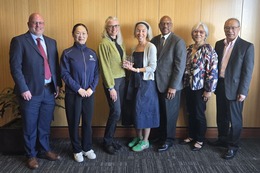 HUD CDBG 50th Award Recognizes Rainier Valley Community Development Fund
In honor of five decades of urban development and revitalization, earlier this month the U.S Department of Housing and Urban Development (HUD) recognized the City of Seattle with a Community Development Block Grant (CDBG) 50th Anniversary Award for its support of the Rainier Valley Community Development Fund and its transformative contribution to equitable development in low- and moderate-income neighborhoods. Click here to read more about the award and what people are saying about the Fund and the importance of investing in and partnering with our communities to expand economic opportunities throughout our city.
|
 Employee Spotlight: Judith Panlasigui
As Manager for the Mayor’s Office on Domestic Violence and Sexual Assault, Judith works with community-based service providers that serve survivors of domestic violence, sexual assault, and commercial sexual exploitation. She also works with stakeholder groups to coordinate our City’s response to gender-based violence such as the Domestic Violence Intervention Project, the Coordinated Effort Against Sexual Exploitation, and the Domestic Violence Prevention Council. Visit humaninterests.seattle.gov to learn more about Judith and her impact on our community.
|
|
 Community Corner: CISC
Our first Community Corner this month focuses on CISC (also known as Chinese Information and Service Center), whose mission is to support immigrants and their families by creating opportunities for them to succeed while honoring their heritage. They help immigrants throughout King County by providing information, referral, advocacy, social, and support services. Visit humaninterests.seattle.gov to learn more about how the Family Caregiver Support Program helped one of their community members.
|
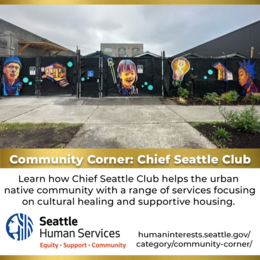 Community Corner: Chief Seattle Club
Chief Seattle Club is our second Community Corner focus of the month. CSC started in 1970, as a small group helping Native people experiencing homelessness. Over time they have grown into a full-scale organization providing a range of services with a focus on cultural healing and supportive housing. Visit humaninterests.seattle.gov to learn more about they support the Urban Native community in Seattle.
|
|
|
Election Day is TOMORROW, November 5
 |
|
Election Day is this Tuesday, November 5. Be sure to have your completed ballot postmarked by the U.S. Postal Service or placed in a designated ballot drop box before 8 p.m. In Washington state, vote centers are available to register new voters, update current voter records, and obtain a voter registration card. Trained staff and specialized equipment are also available to help voters with disabilities cast a private, independent ballot. These in-person locations are available today and all day on Election Day. |
Applications Open: Learn and Earn Job Prep for Young People
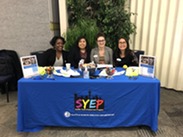
The Seattle Youth Employment Program opened applications for the Learn and Earn Career Pathways track this morning. Interested applicants can apply at seattle.gov/SYEP. Career Pathways offers youth participants opportunities to receive technical training in IT software development, nursing, or individualized certificate tracks catered to the young person’s choice of study while earning a stipend. Applications close on December 20 and the program is expected to commence the 2nd week of January 2025 and run through March.
|
Are You a Family Caregiver?
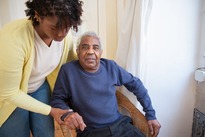
Many people who care for a loved one, friend, or neighbor don’t think of themselves as caregivers, but see if you answer "yes" to one of the following questions. Do you bring food to a friend or family member? Drive them to appointments? Help with chores? Pay their bills? Run errands for them? Help with yard work? Or organize their medications so they can be safe?
Caregivers have access to many resources that can help them care for a family member or loved one while maintaining their own quality of life. One size definitely does not fit all. Specialists can tailor support services to the unique needs of unpaid caregivers ranging from kinship care support for grandparents (age 60+) caring for relatives, to support for caregivers caring for persons aged 18 and over.
Services may include referrals to local support groups or counseling, training on specific caregiving topics, advice on use of supplies and equipment, and respite care, if you need a break. Visit Community Living Connections for information about free consultations and services or ask to be connected to a Caregiver Specialist.
|
Funding Available for Digital Equity Projects!

The City of Seattle’s annual digital equity grant application process opened on October 16 and will accept applications from non-profits that aim to close the digital divide and increase digital literacy in our community!
The 2025 Technology Matching Fund will provide funds of up to $45,000 to qualifying non-profit organizations and community groups in Seattle for digital equity projects. City dollars are matched by the community’s contributions of volunteer labor, materials, professional services, or cash.
Projects should focus on increasing internet access and adoption by providing digital navigator services, digital literacy training to new technology users, devices and technical support to new technology users, or internet access to low-income residents.
|
|
|
|
|
|