Carbon Monoxide Alarms - Know the signs of an expired alarm
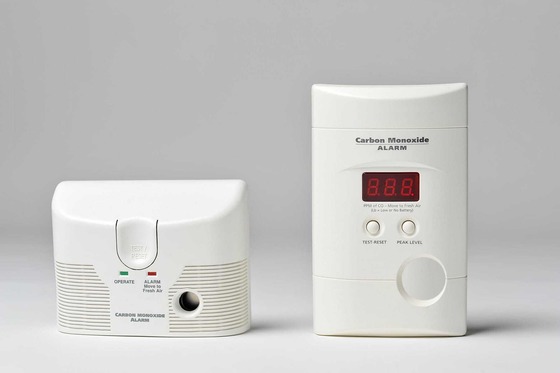
Carbon monoxide alarms
Carbon monoxide (CO) is an odorless, colorless, and poisonous gas. CO is found in fumes produced any time you burn fuel in cars or trucks, small engines, stoves, lanterns, grills, fireplaces, gas ranges, or furnaces. CO can build up indoors and poison people and animals who breathe it. Exposure to CO can cause serious injury and even death.
In 2013, it became required to install CO alarms in all rental housing units in Washington. Washington State law (RCW 19.27.530) requires carbon monoxide alarms to be installed in new residences and in existing rental properties. Renters are responsible for maintaining the carbon monoxide alarm and replacing batteries as needed. We recommend once a year.
CO alarms should be installed in the area outside of each bedroom, with at least one alarm for each floor of the dwelling. Follow manufacturer’s guidelines on proper installation
CO alarm life span and end-of-life signal
CO alarms have a life expectancy of around 7 years. All CO alarms produced after August 1, 2009 have an end-of-life warning notification that alerts the resident that the alarm should be replaced. The CO alarm will beep every 30 seconds or display ERR or END.
If a CO alarm is at its end-of-life, replacing the battery will not stop the beep. Some CO alarms have a feature that will silence the signal for 30 days but this will not solve the issue as the CO alarm will continue to beep after the 30 day period ends.
What should renters and property managers know
Property owners and managers should consider replacing all CO alarms that were installed in or before 2013. A CO alarm that signals that it’s at the end of its life should be replaced as well.
Renters should notify their property manager or landlord immediately if their CO alarm is beeping every 30 seconds indicating its end-of-life. All residents should be informed that intermittent beeping CO alarm is not reason to call 9-1-1.
A CO alarm that beeps continuously without stopping could indicate that carbon monoxide is present. If your CO alarm is sounding continuously and you have signs of CO poisoning such as dizziness, headache, vomiting or flu like symptoms, find fresh air and call 9-1-1 immediately.
Learn more:
Seattle Fire Department’s CAM 5121 Carbon Monoxide Alarm Requirements in Residential Occupancies
Carbon Monoxide safety video
Washington State Department of Health CO information
|