One Seattle Day of Service
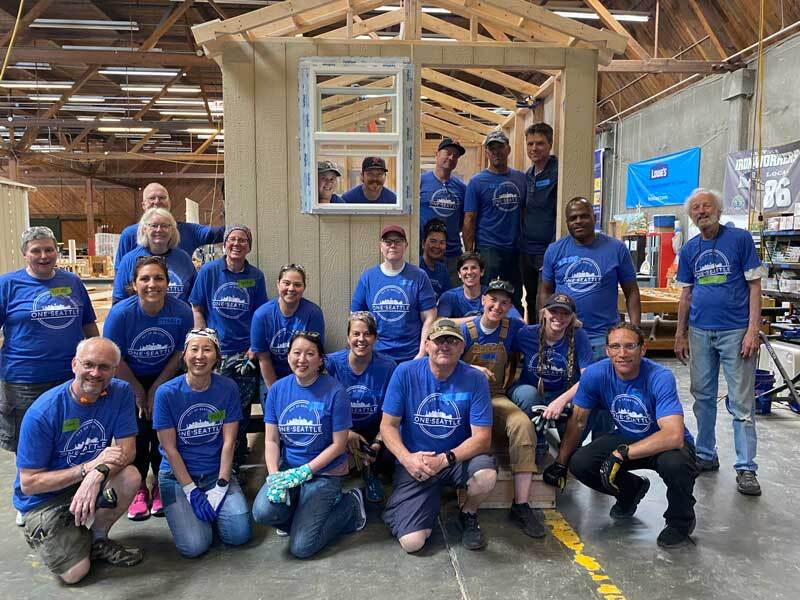
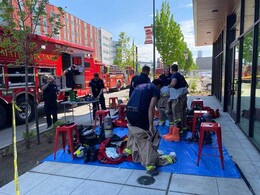
Firefighters and professional staff volunteered at Sound Foundations NW's Hope Factory to build a tiny home, a transitional home to permanent housing for people experiencing homelessness. The Hope Factory utilizes a system of jibs and templates to streamline construction. In just a matter of hours, what was once a pile of lumber became a home—the 362nd built here. Before the interior walls were installed, we wrote messages of encouragement to instill a sense of hope for all future tenants.
Recruit Class 118 Out to Ops
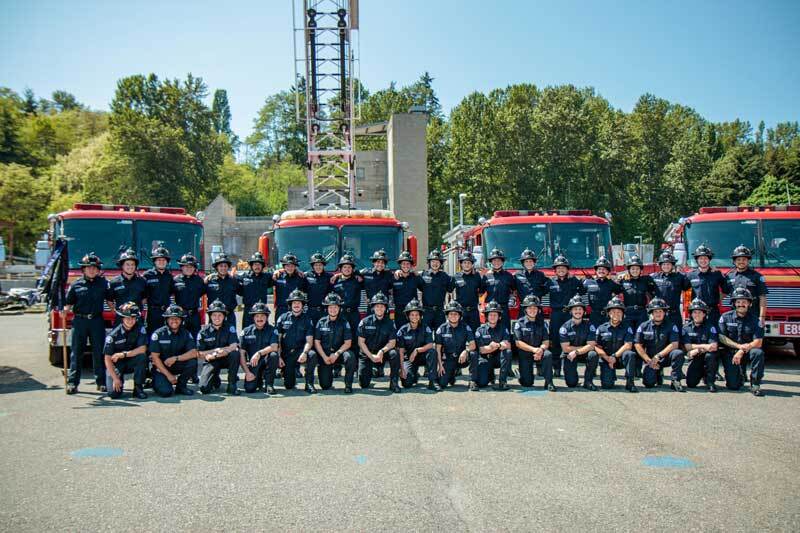 Congratulations to Seattle Fire Recruit Class 118 on successfully completing our physically and mentally challenging recruit academy! Over the past 15.5-weeks, these 37 new members have worked tirelessly to meet the department and community’s expectations for performing firefighting skills. Some came to us with previous experience, and many had never been firefighters before. We are proud of each of them for their perseverance and commitment to serve the Seattle community now as probationary firefighters. Well done RC118!
Recap of the Fallen Firefighter Memorial
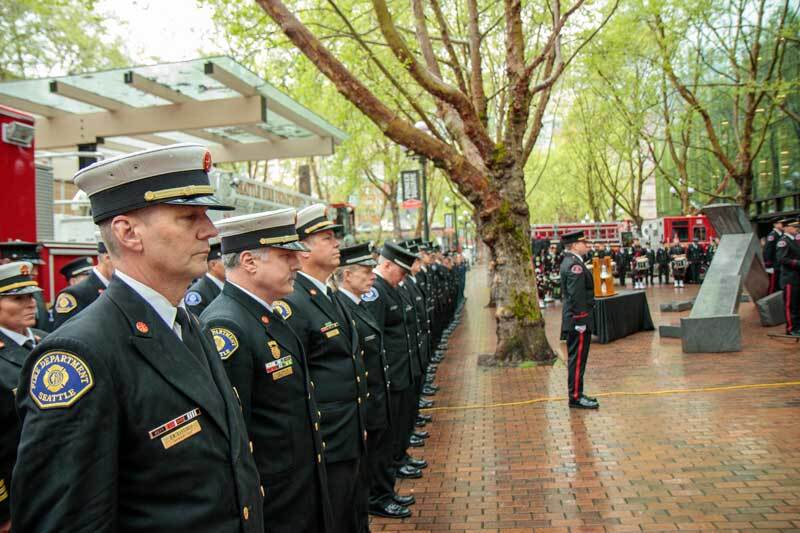 On the morning of May 5, the community gathered with Seattle Fire Department personnel to honor all fallen firefighters at the memorial in Occidental Square. Firefighters Matt Runte and Michele Williams were both added to the memorial this year.
Recording of the memorial service.
Patient reunification at the Fire Alarm Center
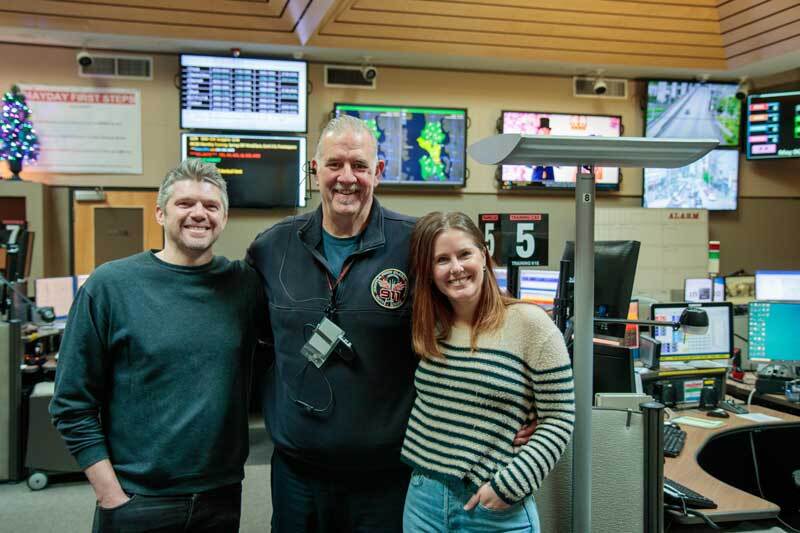 Heart attack survivor, Michael Arbuck, with his wife Katie, met with FF/Dispatcher Tony Bennett at the FAC. On the night of the incident, Katie called 911 and reported the witnessed cardiac arrest to Tony. He skillfully calmed her nerves and coached her on how to do hands-only CPR until our crews arrived. We’re happy to see Michael alive and well!
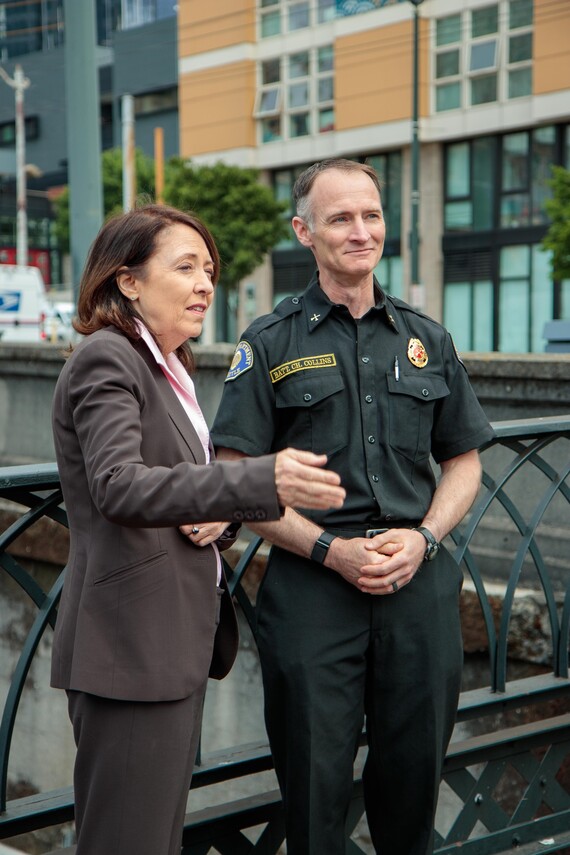 BC Andy Collins and the new Bipartisan Rail Safety Act
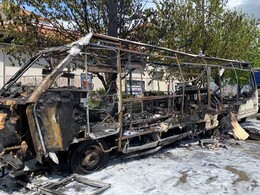
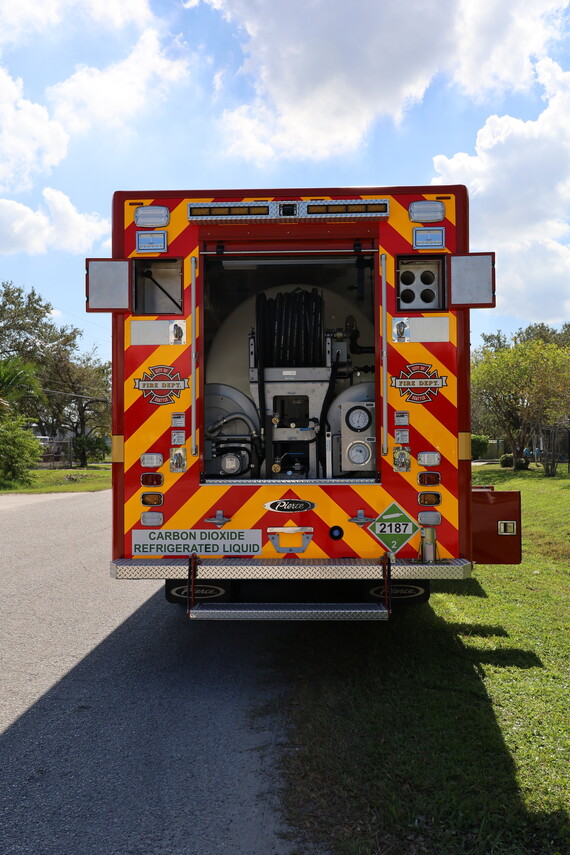 Energy Response Team and lithium-ion battery fires
June 1-7 is CPR AED Awareness Week
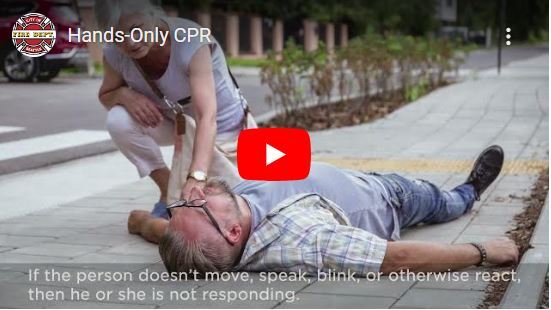 We encourage everyone to learn CPR. It is important to be prepared for sudden emergencies such as sudden cardiac arrest. Around 70% of out-of-hospital cardiac arrests happen at home so it’s important to know what to do if this were to happen. A cardiac patient’s chance of becoming a long-term survivor are more than doubled if a someone on the scene administers prompt CPR.
Administering hands-only CPR (without breaths) is a simple technique that only takes a few minutes to learn.
If you see someone collapse, follow these steps:
-
Call 911 – Give specific information to the dispatcher, starting with the location. Is an AED available? If so, send someone to retrieve it and use it as soon as you can.
- Make sure the scene is safe
-
Quickly determine if the person needs CPR – If the person is not responsive or not breathing normally – tap them on the shoulder and shout, “Are you ok. Are you ok?” If the person doesn’t move, speak, blink, or otherwise react, then he or she is not responding.
-
Begin Chest Compressions – Use two hands, with straight arms, and push down hard and fast in the center of the chest. Make sure compressions are at least 2-inches deep, and are at the rate of 100 to 120 compressions per minute.
-
Don’t stop compressions until help arrives or take turns with someone if you get tired
Help us spread awareness during this year’s National CPR/AED Awareness Week by sharing this information with at least one family member or friend.
June Safety Message: Outdoor Grilling Safety
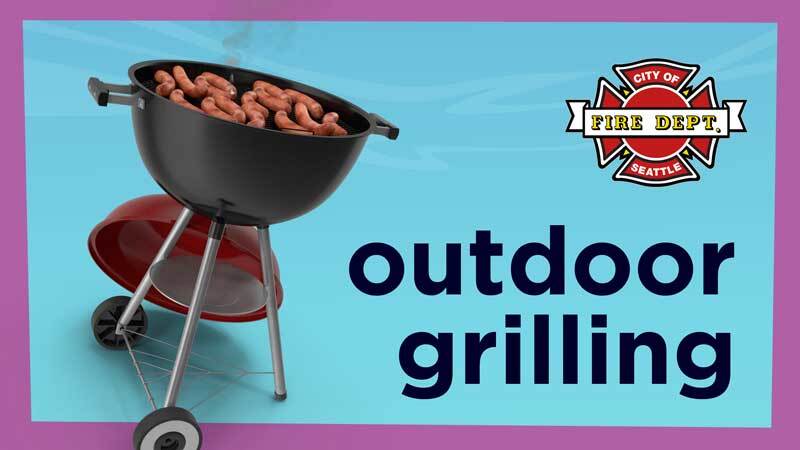 Spring weather has finally arrived. This is the time of year when more outdoor grills are cleaned up and put to use. Whether using a grill on an apartment rooftop or in your backyard, consider these fire prevention and safety tips before lighting the grill. Most grill fires are preventable.
Setting up:
- Barbecue grills are designed for outdoor use only. Never barbecue in an enclosed area – dangerous carbon monoxide (CO) can accumulate and be deadly. If you suspect CO poisoning, call 9-1-1.
- Set-up your grill on a flat surface in an open area at least three feet away from buildings, overhead combustible surfaces, dry leaves and brush.
Make sure the grease trap is empty and clean and that grilling parts are firmly in place.
- For propane grills, make sure the hose connection is tight and check the hoses for leaks. This is especially important when using the grill for the first time in a long time.
During use:
- Never leave grills unattended while cooking.
- Keep a three-foot zone around the grill where children and pets aren’t allowed.
- Do not leave starter fluid, lighters or matches within the reach of children.
- Use the proper tools. Long handled barbecue utensils and flame retardant mitts will prevent burns from heat and flame.
- For charcoal grills, avoid adding lighter fluid after the coals are lit.
Cleaning up:
- For propane grills, turn the grill and fuel cylinder off immediately after grilling.
- For charcoal grills, allow coals to cool for 48 hours before disposing. If you are not able to wait, douse coals with plenty of water, and stir them to ensure that the fire is out. Never place coals in plastic, paper or wooden containers; place in a metal container with a tight-fitting lid.
|