|
|
Clothes dryer fire prevention
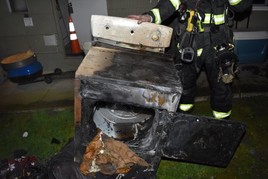
In early March, a fire started in a Seattle apartment clothes dryer and caused over $10,000 in damages. Fortunately, no one was injured.
Each year, 2,900 clothes dryer fires are reported in residential buildings in the U.S. Most dryer fires happen during the winter months. Failure to clean the lint is the leading factor contributing to home clothes dryer fires.
A few tips to prevent dryer fires:
- Do not use the dryer without a lint filter. Clean the lint filter before and after each cycle.
- Never leave dryer running while sleeping or out of the home.
- Have your dryer installed and serviced by a professional.
- Regularly check dryer exhaust vent hoses behind the dryer for lint build up and clean. Bends and lint buildup in hoses can block airflow.
- Never put rubber, plastic, foam or any materials that made contact with flammable liquids in the dryer even if previously washed.
- Do not forget to clean the back of the dryer where lint can build up.
- Make sure that the outdoor vent covering opens when the dryer is operating.
Clothes that have come in contact with flammable substances, like gasoline, paint thinner, or similar solvents should be laid outside to dry before being washed and placed in the clothes dryer.
More tips can be found here.
|
Conducting Fire Drills
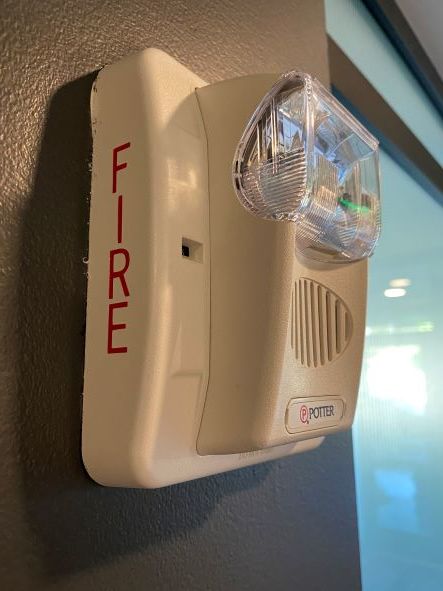
Multi-residential buildings face challenges during fire emergencies that could be made less dangerous by practicing fire drills with residents and staff. While required in high-rise buildings, fire drills give residents and staff an opportunity to practice before the real emergency. Drills provide staff with a chance to identify any possible issues and gives residents with some reassurance in knowing that the building is prepared and that they know what they will do should a fire occur.
The following suggestions are provided to assist with the planning of staff fire drills:
- Prior to any drill, staff should be familiar with the building emergency plan and the details of their responsibilities. Encourage staff to discuss their concerns regarding the evacuation procedures.
- The drill for your building should include sounding the fire alarm. If your building fire alarm is monitored, notify the monitoring company of the drill immediately prior to its occurrence. Remember to contact the monitoring company again when the drill is completed. There is no need to notify the Fire Department.
- Keep a fire drill logbook to record fire drill activity. Records should include the date and time of each drill, the name of the person conducting the drill and other information pertinent to the drill.
- It is also recommended that you notify residents that the audible alarms will be sounded for the staff fire drill and invite them to participate.
Another recommendation is to keep records of fire drills and include the following information:
- Identity of the person conducting the drill.
- Date and time of the drill.
- Notification method used.
- Staff members on duty and participating.
- Number of occupants participating.
- Special conditions simulated.
- Problems encountered and corrective actions taken
- Time required to evacuate.
|
This spring, consider having a Seattle Fire Department educator visit your apartment building for a free apartment fire safety presentation. Attendees can learn how to safely respond to a building fire alarm, how and when to shelter in place, and how to prevent fires. Contact William Mace (william.mace@seattle.gov) for more information or to schedule a visit.
|
|