|
Americans at all income levels have experienced the challenges of rebuilding their lives after a disaster or other emergency. In these stressful times, having access to personal financial, insurance, medical and other records is crucial for starting the recovery process quickly and efficiently.
- Gather financial and critical personal, household and medical information.
- Consider saving money in an emergency savings account that could be used in any crisis. Keep a small amount of cash at home in a safe place. It is important to have small bills on hand because ATMs and credit cards may not work during a disaster when you need to purchase necessary supplies, fuel or food.
- Obtain property (homeowners or renters), health and life insurance if you do not have them. Not all insurance policies are the same. Review your policy to make sure the amount and types of coverage you have meets the requirements for all possible hazards. Homeowners insurance does not typically cover flooding, so you may need to purchase flood insurance from the National Flood Insurance Program.
- For more helpful financial preparedness tips, download the Emergency Financial First Aid Kit (EFFAK) to get started planning today.
Be Safe
- Be cautious about sharing personal financial information, such as your bank account number, social security number, or credit card number.
- Do not click on links in texts or emails from people you don’t know. Scammers can create fake links to websites.
- Remember that the government will not call or text you about owing money or receiving economic impact payments.
- Be aware that scammers may try to contact you via social media. The government will not contact you through social media about owing money or receiving payments.
- Keep in mind that scammers may try to take advantages of financial fears by calling with work-from-opportunities, debt consolidation offers, and student loan repayment plans.
- Contact the Federal Trade Commission (FTC) at ftc.gov/complaint if you receive messages from anyone claiming to be a government agent.
For a short video on 3 steps to financial readiness, visit https://youtu.be/UzhpPN1SXUk
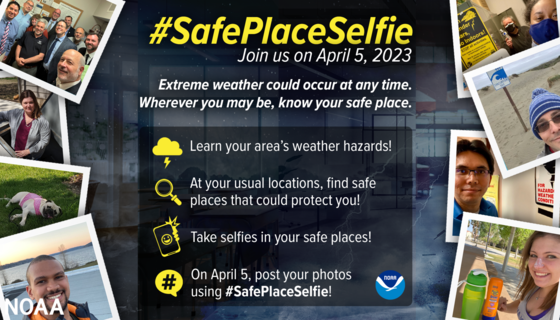
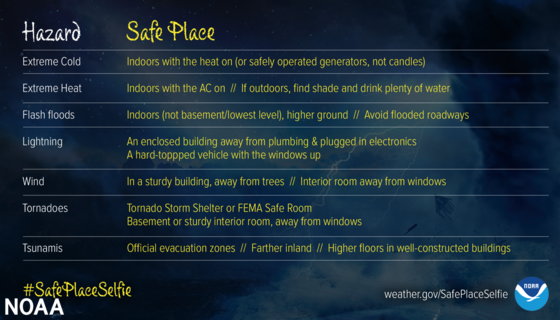
Severe weather can happen anytime, in any part of the country. Severe weather can include hazardous conditions produced by thunderstorms, including damaging winds, tornadoes, large hail, flooding and flash flooding, and winter storms associated with freezing rain, sleet, snow and strong winds.
Know your Risk
Understand the type of hazardous weather that affects you and your family where you live:
Emergency Communications Reserves - Amateur Radio Support
The Office of Emergency Management oversees Seattle Auxiliary Communications Service (ACS) responsible for supporting government operations and the neighborhoods during an emergency. Should communications systems be damaged or overloaded due to a natural or man caused disaster, the City of Seattle calls on teams of amateur radio operators to help support the city with emergency communications. Typically, the mission of these teams includes providing communications at the Emergency Operations Center and establishing links between government facilities, hospitals and field command posts.
Contact ACS Director Tim Helming at Tim.Helming@seattle.gov for more information on how you can be an ACS Volunteer.
|